Blog

What Is an Architectural Aluminum Facade?

What Is an Architectural Aluminum Facade?

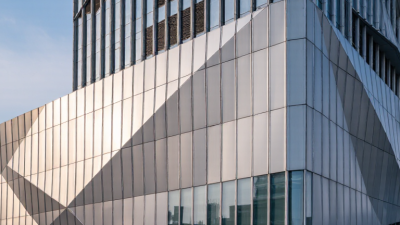
What Is an Architectural Aluminum Facade? Architectural Aluminum Facades are engineered exterior systems that protect a building while shaping its visual identity. They commonly use aluminum panels, curtain walls, louvers, mullions, and rainscreen assemblies. These components can create a crisp tower skin or a softly folded civic frontage. The facade also manages daylight, rain, wind, air leakage, and thermal movement. It is not merely decoration. Professional design begins with performance evidence. The International Energy Agency reports that buildings consume about 30% of global final energy and produce approximately 26% of energy-related emissions. This makes facade design relevant to operational efficiency, not just appearance. Properly specified glazing, thermal breaks, insulation, shading, and airtight joints can reduce unwanted heat transfer. Small details matter. The International Aluminium Institute states that nearly 75% of all aluminium ever produced remains in use today, reflecting the metal’s durability and recyclability. However, recycled content, energy source, coating life, and transport distance still influence environmental outcomes. The material is not automatically sustainable. A poorly designed bracket can create a thermal bridge. A careless joint can admit water. These are practical lessons often missed in glossy renderings. Reports from the U.S. Department of Energy and facade engineering standards also emphasize whole-building performance testing. Experienced teams review wind loads, fire strategy, drainage paths, maintenance access, and local climate conditions before fabrication. Architectural Aluminum Facades work best when architects, engineers, fabricators, and installers coordinate early. The result should be light in appearance, robust in service, and measurable in performance. No facade is perfect. Good design leaves room for inspection, adjustment, and honest review.
Read more »
Ethan By:Ethan - September 17, 2026
2026 Top Aluminum Sliding Windows Types for Global Buyers

2026 Top Aluminum Sliding Windows Types for Global Buyers

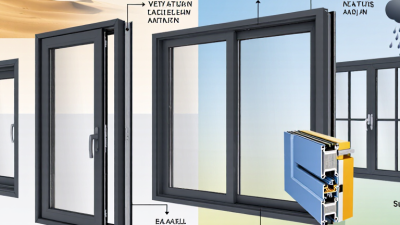
Choosing the right Aluminum Sliding Windows in 2026 requires more than comparing frame colors and catalog prices. Global buyers now examine thermal performance, drainage design, glass safety, opening size, and long-term maintenance. A window that performs well in Dubai may behave differently in Stockholm, Singapore, or coastal Australia. Climate matters. This guide introduces the leading types for residential, commercial, and hospitality projects. It covers standard sliding windows, thermally broken systems, slim-profile designs, lift-and-slide doors, double-glazed models, and triple-glazed options. Each type offers practical strengths. Some improve ventilation. Others support larger glass areas, stronger insulation, or easier operation. Real project experience shows that rollers, locks, seals, and drainage channels often affect satisfaction more than appearance. Details matter. Reliable buyers should request profile drawings, glass specifications, air and water test results, wind-load data, and installation instructions. They should also confirm whether testing was completed by an independent laboratory. Supplier communication deserves attention too. A polished sample does not guarantee consistent production. Ask for finish samples, hardware brands, warranty terms, and previous project references. Local building requirements must still be checked by qualified professionals. No single system suits every market. A narrow frame may look elegant but reduce thermal efficiency. A heavy lift-and-slide panel may need stronger tracks and careful installation. Triple glazing can improve comfort, yet it may increase weight and cost. These trade-offs are easy to overlook. This article helps buyers compare the main Aluminum Sliding Windows types with clearer expectations, practical evidence, and a more careful purchasing approach.
Read more »
Ethan By:Ethan - September 17, 2026
10 Tips for Choosing Aluminum Sliding Patio Doors?

10 Tips for Choosing Aluminum Sliding Patio Doors?

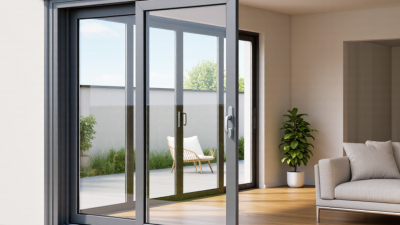
Choosing Aluminum Sliding Patio Doors is not simply a matter of frame color or glass size. These doors shape comfort, security, daylight, and daily movement between your home and outdoor space. A wide opening may look impressive, yet poor rollers, weak drainage, or unsuitable glass can create years of frustration. Dr. Joseph Lstiburek, a respected building scientist, reminds homeowners, “Windows are not walls. They are holes in walls.” His point applies to patio doors too. A sliding system must resist air, water, heat, and forced entry while remaining easy to operate. The best choice depends on your climate, wall construction, opening size, and maintenance expectations. Small details matter. Check the door’s water-management design, not only its advertised appearance. Compare thermal breaks, glass coatings, lock points, track quality, and replacement-part availability. Test the rollers if possible. The movement should feel smooth, not loose or heavy. Also examine the sill after rain; standing water reveals design weaknesses quickly. Looks can mislead. This guide presents ten practical tips for selecting Aluminum Sliding Patio Doors with greater confidence. It considers performance ratings, energy efficiency, security, installation quality, cleaning needs, and long-term value. Still, no product is perfect. A highly insulated door may cost more, while a large glass panel can increase solar heat gain. Local advice remains valuable, but it should be specific and evidence-based. By questioning attractive claims and inspecting real construction details, homeowners can make a decision that feels sensible today and remains reliable years later.
Read more »

Elara By:Elara - September 17, 2026