
0%

Choosing Aluminum Sliding Patio Doors is not simply a matter of frame color or glass size. These doors shape comfort, security, daylight, and daily movement between your home and outdoor space. A wide opening may look impressive, yet poor rollers, weak drainage, or unsuitable glass can create years of frustration.

Dr. Joseph Lstiburek, a respected building scientist, reminds homeowners, “Windows are not walls. They are holes in walls.” His point applies to patio doors too. A sliding system must resist air, water, heat, and forced entry while remaining easy to operate. The best choice depends on your climate, wall construction, opening size, and maintenance expectations.

Small details matter. Check the door’s water-management design, not only its advertised appearance. Compare thermal breaks, glass coatings, lock points, track quality, and replacement-part availability. Test the rollers if possible. The movement should feel smooth, not loose or heavy. Also examine the sill after rain; standing water reveals design weaknesses quickly.

Looks can mislead.

This guide presents ten practical tips for selecting Aluminum Sliding Patio Doors with greater confidence. It considers performance ratings, energy efficiency, security, installation quality, cleaning needs, and long-term value. Still, no product is perfect. A highly insulated door may cost more, while a large glass panel can increase solar heat gain. Local advice remains valuable, but it should be specific and evidence-based. By questioning attractive claims and inspecting real construction details, homeowners can make a decision that feels sensible today and remains reliable years later.
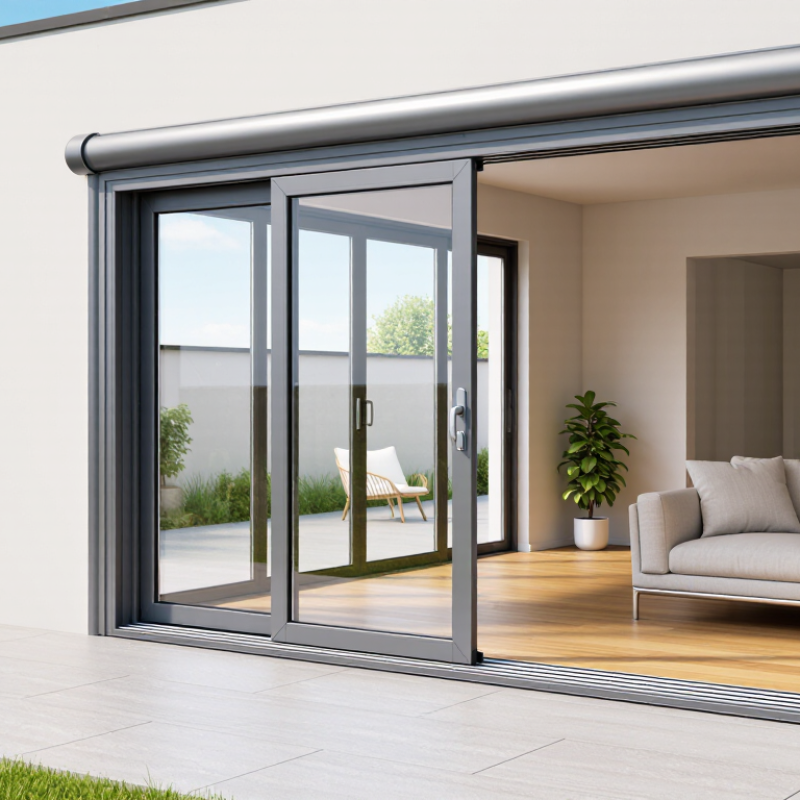
10 Tips for Choosing Aluminum Sliding Patio Doors?

Define Your Doorway Needs and Available Patio Space

Choosing an aluminum sliding patio door starts with your doorway, not a catalog. Measure width at the top, middle, and bottom, because older walls rarely stay perfectly square. Record the finished floor height, nearby trim, and the direction available for the moving panel. A simple sketch helps. I once measured only the widest point and underestimated the installation adjustment. That mistake cost time and forced a second visit.

Study how people use the patio each day. If furniture sits beside the opening, a two-panel system may block less space than hinged doors. Check where the panel will stack and whether curtains, screens, or a grill could interfere. Leave clear walking space, especially around steps and damp thresholds. Measure outside too. A narrow patio can feel tighter when the frame or handle projects into the route. Do not assume more glass automatically improves the room; glare and heat may become uncomfortable.

Match the door size to the wall structure and available installation area. Aluminum frames are slim, but the wall still needs proper support and flashing. Ask an experienced installer to verify sill drainage, weather exposure, and local safety requirements. Use a level if possible, then compare measurements twice. My notes missed the patio slope once, a small detail with expensive consequences. Include delivery access, removal space, and temporary weather protection during installation.

Compare Aluminum Grades, Frame Strength, and Weather Resistance

Aluminum sliding patio doors deserve comparison beyond appearance. Tip 1: Check the alloy. Most architectural frames use 6063 aluminum, which extrudes smoothly and resists outdoor corrosion. Tip 2: Consider 6061 for larger spans or demanding structural conditions. It offers higher strength, but fabrication may cost more. Tip 3: Ask for the frame’s wall thickness, not only the alloy number. Thin sections can flex under wind pressure.

Tip 4: Inspect the thermal break. Aluminum conducts heat quickly, so separated inner and outer frame sections improve comfort. Tip 5: Compare NFRC-rated U-factor and solar heat gain coefficient. Lower U-factor usually means better insulation. The U.S. Department of Energy reports that windows can influence roughly 25–30% of residential heating and cooling energy use. Tip 6: Choose low-emissivity glazing for colder rooms, strong sunlight, or both. Glass selection changes the result dramatically.

Tip 7: Request air-infiltration data tested under ASTM E283. Tip 8: Require water-penetration testing under ASTM E331. Tip 9: Review structural performance under ASTM E330, especially for coastal or storm-exposed homes. Tip 10: Examine drainage channels, corner joints, rollers, and weather seals. Small details matter. FGIA guidance separates air, water, and structural testing, so one impressive rating cannot prove everything. I have seen attractive doors fail because installers ignored sill drainage. That is the uncomfortable part. Compare certified test results, installation instructions, and local exposure conditions before deciding.

10 Tips for Choosing Aluminum Sliding Patio Doors

Compare aluminum grades, frame strength, thermal performance, drainage, and weather resistance before selecting a sliding patio door.

Representative published minimum mechanical-property values for common aluminum tempers. Actual values depend on product standard, extrusion thickness, and temper certification.

Selection Tips

  1. Choose architectural-grade aluminum, commonly 6063, for smooth extrusions and good finish quality.
  2. Consider 6063-T5 for general residential frames and 6063-T6 when higher strength is specified.
  3. Use stronger alloys such as 6061-T6 only when the design requires higher structural capacity.
  4. Check the complete frame design, including wall thickness, corner joints, rollers, and reinforcement.
  5. Look for a thermally broken frame to reduce heat transfer and interior condensation.
  6. Verify that the door has continuous weatherstripping at the head, jambs, interlock, and sill.
  7. Select a sill with positive drainage channels and weep holes that remain clear after installation.
  8. Review tested air leakage, water penetration, and structural performance rather than judging by alloy alone.
  9. For coastal locations, specify a durable coating or anodized finish and use corrosion-resistant hardware.
  10. Confirm glass type, safety glazing, installation details, warranty coverage, and local building-code compliance.

Evaluate Glass Options for Light, Insulation, and Safety

When choosing aluminum sliding patio doors, glass deserves more attention than frame color or handle style. Measure how morning light enters your room, then consider the glass’s visible light transmission. Clear glass creates an open, bright view, while tinted or reflective glass reduces glare near sunny patios. Low-e coatings help limit heat transfer without making the room feel gloomy. I once underestimated afternoon glare; a beautiful view became uncomfortable by three o’clock. That mistake still matters.

For insulation, compare the window’s whole-unit performance, not only the glass label. Ask for U-factor and solar heat gain information, and check whether ratings match your local climate. Double glazing usually improves comfort over single glazing, especially beside cold floors or hot exterior walls. Gas-filled spaces may help, but installation quality and edge seals can decide the real result. Look closely at spacer design. A small detail.

Safety needs practical thinking. Tempered or laminated safety glass can reduce injury risk if a panel breaks, subject to local building requirements. For homes with children, birds, or frequent entertaining, visible markings and strong contrast can prevent accidental impact. Ask how the door handles forced entry, and confirm the locking points feel solid during a showroom test. Do not rely on marketing language alone. Request certified test data, warranty terms, and professional installation details before ordering. I would also inspect drainage paths after rain; overlooked water management can undermine an otherwise excellent door.

Check Track Systems, Opening Styles, and Everyday Operation

10 Tips for Choosing Aluminum Sliding Patio Doors?

Choosing aluminum sliding patio doors starts with the track, not the finish. During a practical inspection, I check for a rigid, level sill and clear drainage paths. Corrosion-resistant rollers should carry the panel without scraping. A deep track can guide heavy glass, but it also collects grit and water. Ask whether the rollers are adjustable and replaceable. That detail matters after years of cleaning and seasonal movement. The U.S. Department of Energy reports that windows can account for 25–30% of household heating and cooling energy use.

Opening style changes daily behavior. Two-panel sliders need less clearance than hinged doors. Three-panel designs provide a wider passage, but the moving panel may feel heavier. Check the clear opening, handle reach, and locking points with one hand. Try it slowly. A door that glides empty may bind after installation. NFRC rating guidance separates U-factor and solar heat gain coefficient. Compare both for your climate, not just the aluminum frame. Low U-factor limits heat transfer. Solar heat gain affects indoor temperature.

Everyday operation deserves ten minutes of testing. Roll the panel repeatedly, release it halfway, and listen for clicking. Confirm the interlock meets evenly and the weather seals compress without tearing. Inspect the weep holes after a controlled hose test. The U.S. Energy Information Administration’s 2020 Residential Energy Consumption Survey found space heating and cooling represented about 51% of household energy use. Ratings help, but they cannot predict every shaded room or installation mistake. I would not ignore a slightly rough glide. It may become a costly annoyance.

10 Tips for Choosing Aluminum Sliding Patio Doors? - Check Track Systems, Opening Styles, and Everyday Operation

No. Selection Tip What to Check Practical Guidance Everyday Benefit
1 Match the Opening Style to the Room Compare two-panel, three-panel, four-panel, pocket, and corner-opening layouts. Confirm which panels are fixed and which panels slide. Measure the available wall width, furniture clearance, and the preferred access point before selecting the configuration. A suitable layout improves circulation, furniture placement, ventilation, and access to the patio.
2 Evaluate the Track System Look for corrosion-resistant rollers, a rigid track, adjustable hardware, and a design that allows dirt and water to drain away. Ask whether the rollers are accessible for adjustment or replacement and whether the track can be cleaned without removing the door. A well-designed track helps the panel move smoothly and reduces sticking, noise, and premature wear.
3 Test the Operating Force Operate the sample door several times. Check for binding, uneven movement, rattling, or excessive force near the fully open and closed positions. Test the door with one hand and from different positions. Smooth movement should not depend on lifting or pulling the handle sharply. Easy operation is especially important for children, older adults, and frequent indoor-outdoor use.
4 Choose Thermally Improved Aluminum Frames Check whether the frame includes a thermal break, which separates interior and exterior aluminum with a low-conductivity insulating section. Request the product's tested thermal performance rather than judging insulation by frame appearance alone. Thermally improved frames can reduce heat transfer and help limit interior condensation in suitable climates.
5 Select the Right Glass Package Compare double or triple glazing, low-emissivity coatings, gas fills, visible light transmission, and the glass safety classification required for the opening. Consider local climate, solar exposure, noise levels, and the door's location near walking areas or seating. The correct glass can improve comfort, daylight control, energy performance, and sound reduction.
6 Check the Threshold and Accessibility Review threshold height, weatherproofing details, sill slope, and the transition between the interior floor and patio surface. Balance water resistance with ease of passage, and verify compliance with applicable accessibility requirements. A suitable threshold reduces tripping risks while helping prevent rainwater from entering the room.
7 Inspect Weather Seals and Drainage Look for continuous weatherstripping, properly aligned interlocks, weep holes, and drainage paths that are not blocked by finishes. Ask for air, water, and structural performance information from the tested door assembly, not just individual components. Effective sealing helps reduce drafts, dust, wind-driven rain, and outdoor noise.
8 Review Locks and Security Features Check the multipoint locking arrangement, anti-lift features, handle quality, keyed access options, and compatibility with the surrounding frame. Confirm that the complete door assembly has been tested to the security and impact requirements applicable in your area. Reliable hardware improves resistance to forced entry and helps keep the panel securely aligned.
9 Confirm Size, Weight, and Structural Requirements Verify the rough opening, panel dimensions, glass weight, maximum tested size, head support, and installation tolerances. Have the opening assessed by a qualified installer, particularly for large panels, replacement work, or modified masonry. Correct sizing reduces operating problems, air leaks, frame movement, and costly installation changes.
10 Plan for Cleaning and Maintenance Check whether the track, rollers, drainage holes, seals, handles, and glazing surfaces are easy to access and replace when necessary. Use manufacturer-approved cleaning methods; keep tracks free of grit and avoid blocking drainage openings with sealant or debris. Simple routine care helps preserve smooth operation, weather performance, and the service life of the door.
Buying Reminder: Compare complete tested door assemblies, installation requirements, warranty terms, replacement-part availability, and local building-code requirements before making a final decision.

Review Installation Requirements, Security Features, and Long-Term Care

Choosing aluminum sliding patio doors requires more than measuring the opening. In practical installation work, uneven floors often cause alignment problems. Confirm the rough opening, sill depth, drainage path, and wall condition before ordering. Check local building requirements as well.

Tip 1: Request clear installation drawings. They should show frame sizes, flashing positions, sill support, and adjustment clearances. Older homes rarely measure perfectly.

Tip 2: Examine the security features closely. A visible latch is not enough. Look for a strong interlock, dependable locks, and fixed-panel restraints. Choose safety glass where local requirements recommend it. Ask how the door performs against forced lifting. A secure frame still needs correct installation. Even a good lock can fail when the track sits loosely or the frame is badly anchored.

Tip 3: Plan long-term care before purchase. Keep the lower track free from grit, leaves, and pet hair. Clean it with a soft brush and mild soap. Inspect weather seals twice yearly. Replace cracked seals promptly. Use only manufacturer-approved lubricant on rollers and locks. Avoid abrasive cleaners. They can dull aluminum finishes. One honest concern remains: maintenance is easy to postpone. A small blockage can become rough operation, water entry, or costly roller damage.

FAQS

Which aluminum grade is suitable for a sliding patio door?

6063 aluminum suits many architectural frames and resists outdoor corrosion. 6061 may work better for larger spans or demanding structural conditions. Strength is only part of the decision.

Why does frame wall thickness matter?

Alloy numbers do not tell the whole story. Thin aluminum sections may flex under wind pressure. Ask for wall-thickness measurements and structural test results.

What should I check for better insulation?

Look for a thermal break between the inner and outer frame sections. Compare the whole door’s U-factor and solar heat gain data. Lower U-factor usually indicates better insulation.

Which glass option works best in bright rooms?

Clear glass provides a bright, open view. Tinted or reflective glass can reduce glare near sunny patios. Low-emissivity glass helps control heat transfer. I once underestimated afternoon glare.

Is double glazing worth considering?

Double glazing usually improves comfort beside cold floors or hot exterior walls. Gas-filled spaces may help, but edge seals and installation quality matter. The label alone cannot guarantee performance.

How can I evaluate air and water resistance?

Request separate air, water, and structural test results. Air infiltration may be tested under ASTM E283. Water penetration may be tested under ASTM E331. One impressive rating proves very little.

What installation details deserve attention?

Confirm the rough opening, sill depth, drainage path, and wall condition. Uneven floors can cause alignment problems and rough sliding. Ask for drawings showing flashing, sill support, and adjustment clearances. Older homes rarely measure perfectly.

What security features should I inspect?

Check the interlock, locking points, fixed-panel restraints, and resistance to forced lifting. A visible latch is not enough. Poor anchoring can undermine a strong lock. Test the frame carefully.

How should I maintain the door after installation?

Remove grit, leaves, and pet hair from the lower track. Use a soft brush and mild soap. Inspect weather seals twice yearly. Replace cracked seals promptly. Small blockages become expensive problems.

What is the most commonly overlooked issue?

Drainage is often ignored during installation and inspection. Check sill channels after rainfall for standing water or blocked paths. A beautiful door can still leak. That uncomfortable detail matters.

Conclusion

Choosing Aluminum Sliding Patio Doors begins with understanding your doorway dimensions, available patio space, and preferred opening direction. Consider how much natural light, ventilation, and access you need before comparing door configurations. When selecting materials, review aluminum grade, frame strength, corrosion resistance, and weather sealing to ensure the doors can handle everyday use and changing conditions. Glass selection is equally important: compare single or insulated glazing, energy performance, privacy levels, and safety features to create a comfortable and secure living space.

Pay close attention to the track system and rollers, since smooth operation depends on accurate installation and durable components. Check whether the doors include reliable locks, reinforced frames, and practical security features. Before purchasing, confirm wall compatibility, installation clearances, drainage needs, and professional fitting requirements. Finally, plan for long-term care by cleaning tracks, inspecting seals, lubricating moving parts when appropriate, and addressing small issues early. A thoughtful evaluation will help you choose doors that balance appearance, performance, safety, and lasting convenience.

Elara

Elara

Elara is a dedicated marketing professional with a strong understanding of the company’s products, customers, and evolving market landscape. Through clear, practical, and well-researched content, Elara regularly updates the company website with professional blog articles that help readers......