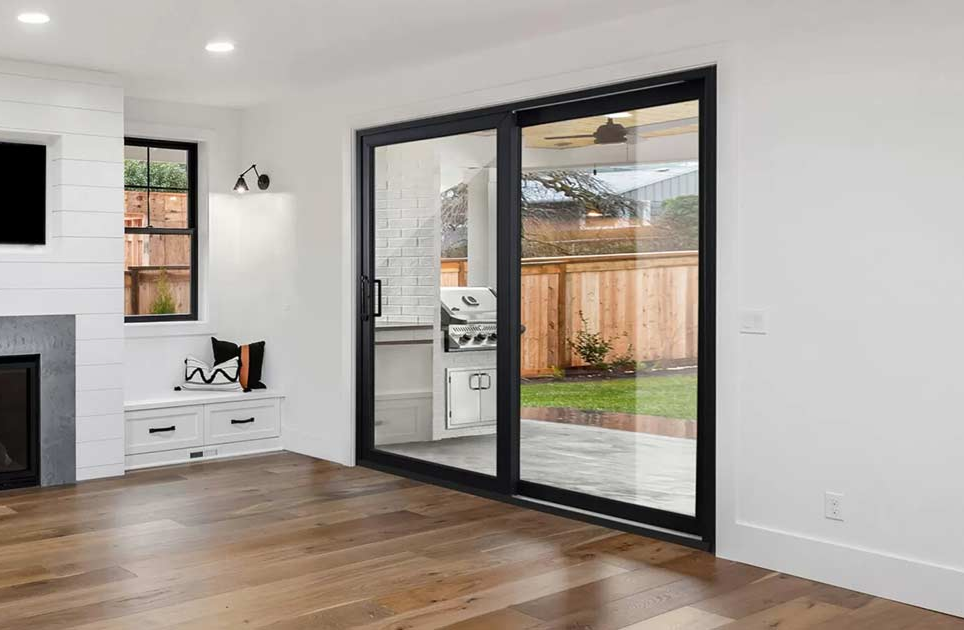
Aluminium Doors
Sliding, hinged and patio door frames with reinforced stiles, multi-point lock preparation and weather-seal channels.
View system
HAQ Aluminium is the extrusion division of the HAQ Brothers group in Lahore, Pakistan. The family entered the metal trade in 1972 as iron merchants, commissioned a steel re-rolling mill in 2008, and launched the aluminium business in 2012 to serve architects, fabricators and OEM buyers who needed tighter tolerances than the local market offered.
That lineage matters commercially: we understand billet sourcing, die steel behaviour, press-quench windows and finishing chemistry as one connected process — which is why our sections hold straightness and colour consistency across repeat orders.
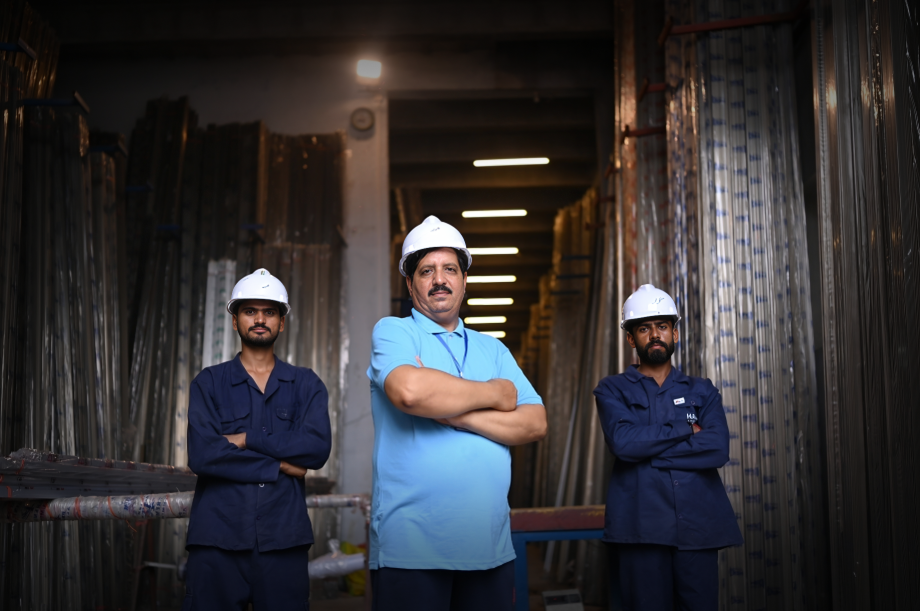
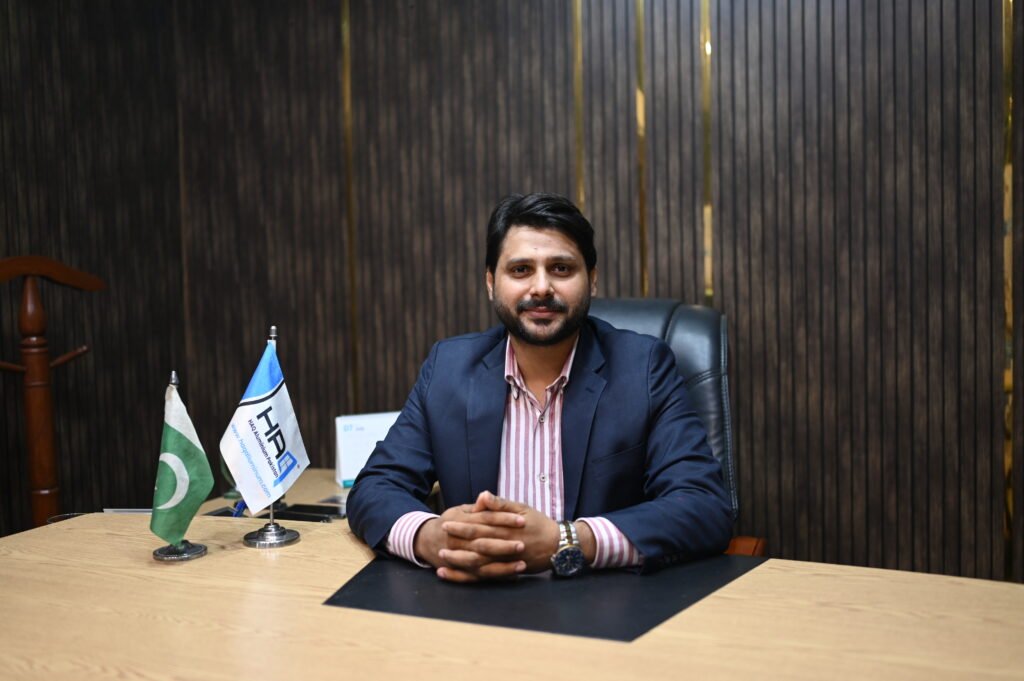
Our family's journey through machinery, HAQ Steel, HAQ Engineering and ship-breaking materials taught us one lesson: buyers remember tolerance and consistency long after price is forgotten. When the next generation moved into aluminium, we chose to invest in our own dies, our own finishing plant and our own inspection team instead of outsourcing the parts that decide quality.
We build reflective, in-vogue profiles that make buildings beautiful — and industrial sections that make machines run cooler and longer. That commitment, backed by documentation our clients can audit, is how we intend to grow with every partner we serve.
Billet pre-heat, press extrusion, stretching and cutting, ageing ovens, pre-treatment and electrostatic coating are sequenced in one facility, so batch traceability is never lost between suppliers.

Press capacity for profiles up to 250 mm circumscribing circle, with 6 m and custom cut lengths.
Every system below is available in mill finish, anodised or powder-coated form, with gasket, hardware and accessory compatibility documented for fabricators.
Sliding, hinged and patio door frames with reinforced stiles, multi-point lock preparation and weather-seal channels.
View system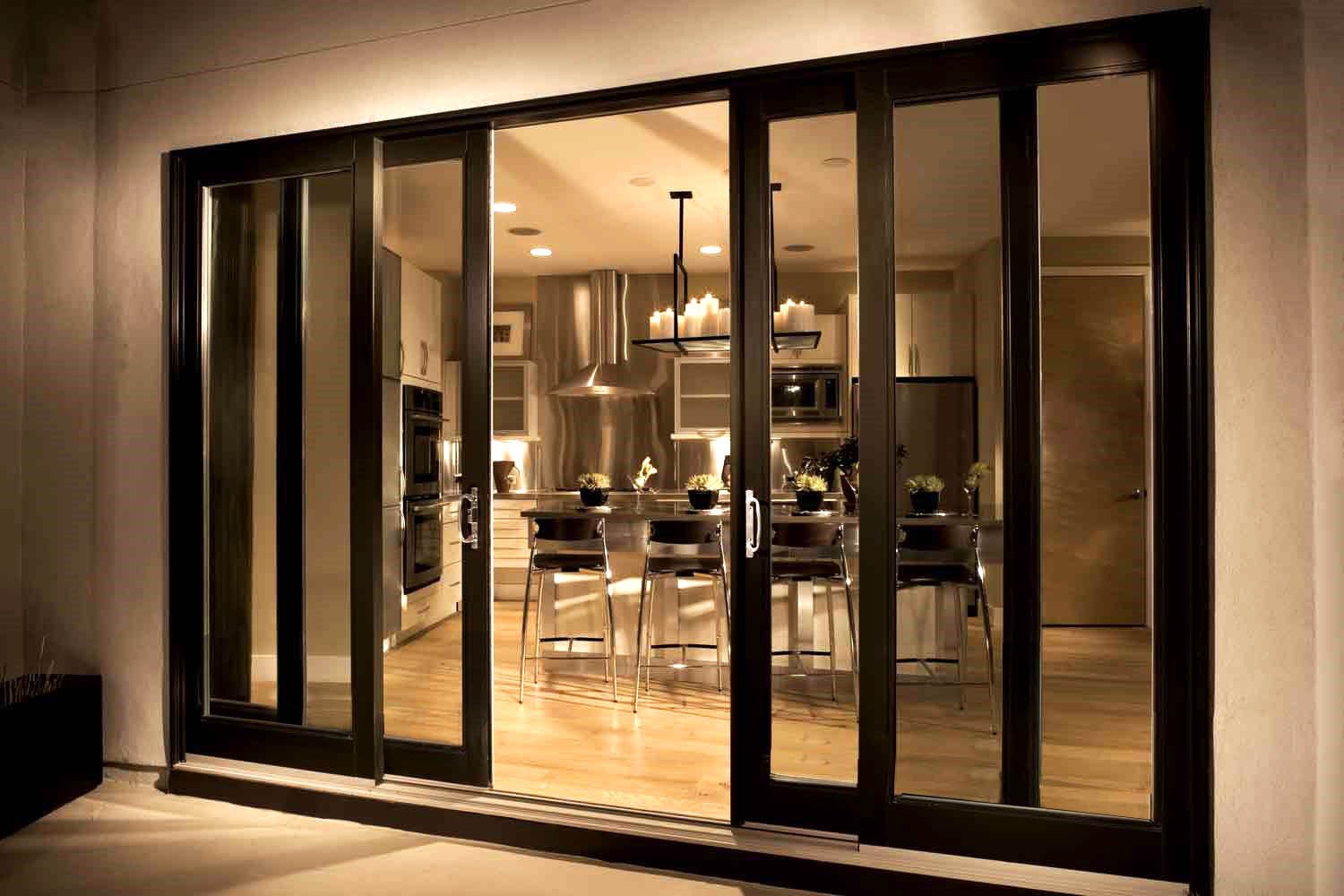
Two, three and four-track sliders with slim interlocks, drainage slots and stainless roller compatibility.
View system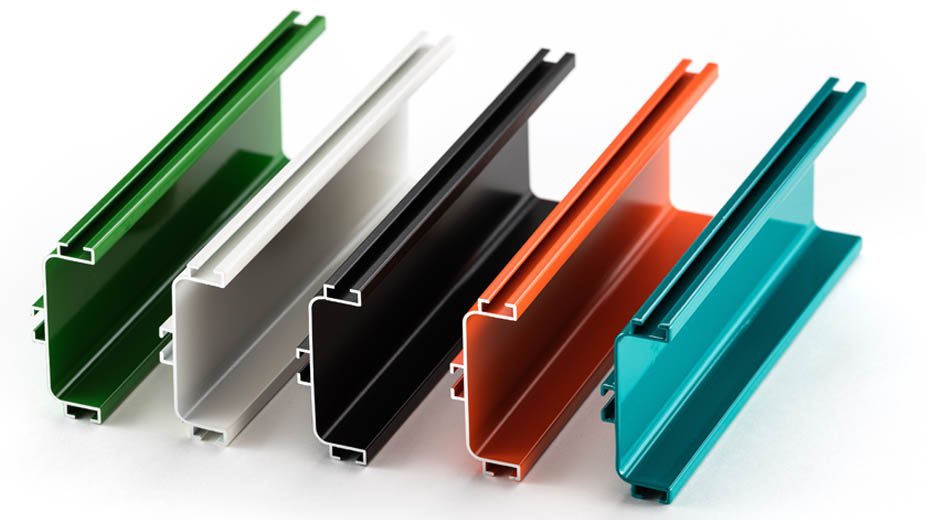
Chromate-free pre-treatment and 60–80 micron polyester film build in RAL, matt, gloss and wood-grain finishes.
View process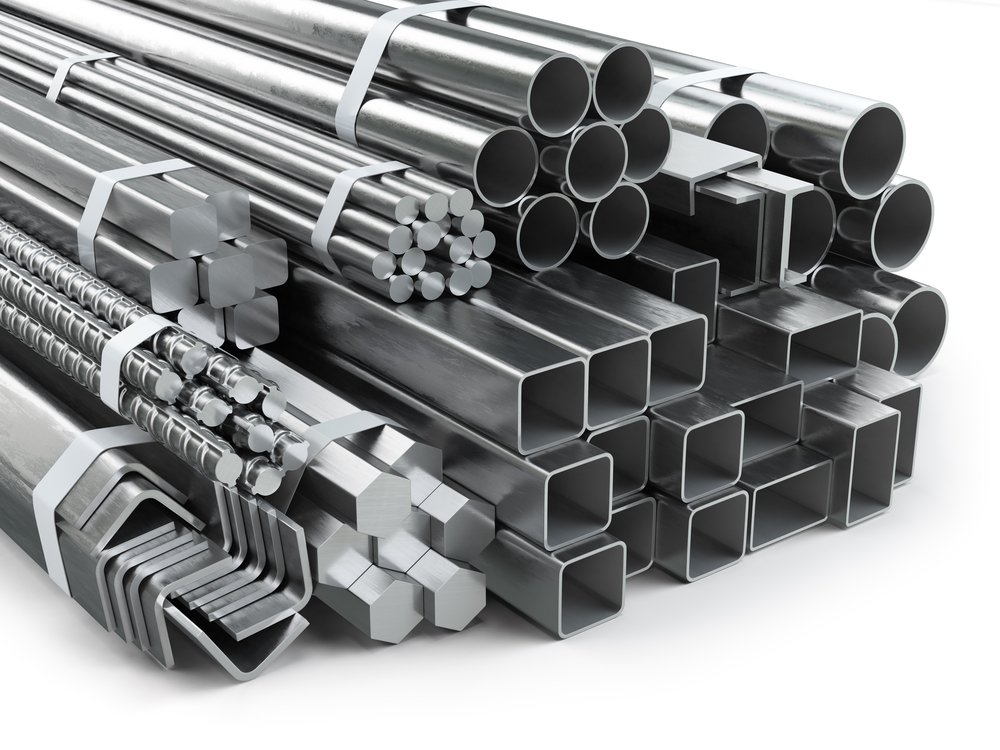
Round, square and rectangular hollows in 6063/6061 for structures, railings, frames and machine guarding.
View range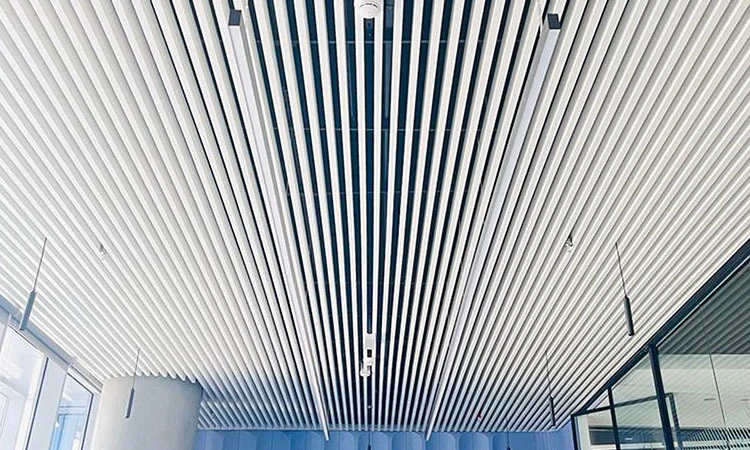
Flat bars and strips slit to width for cladding sub-frames, spacers, gaskets carriers and fabrication stock.
View range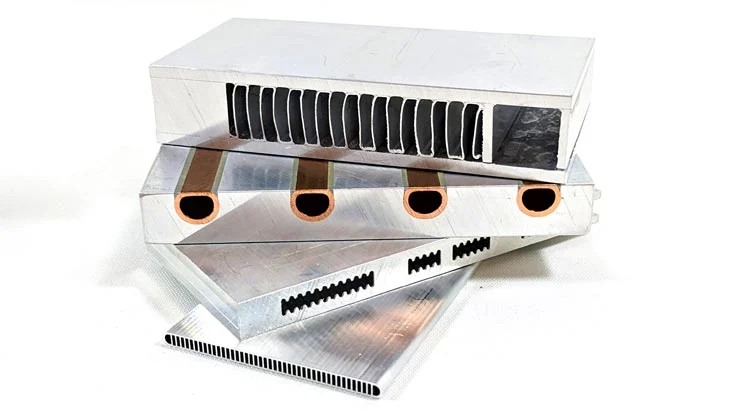
High fin-ratio sinks and cold-plate bases for inverters, LED drivers, power electronics and EV charging units.
View range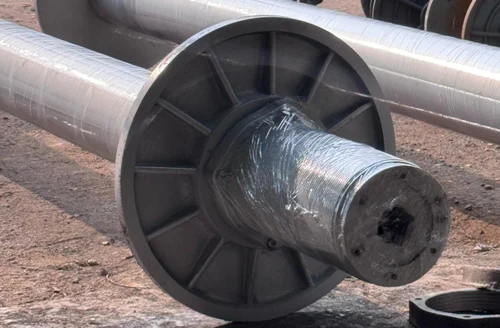
Balanced-wall beams machined for weaving looms, engineered for deflection control and dynamic loading.
View range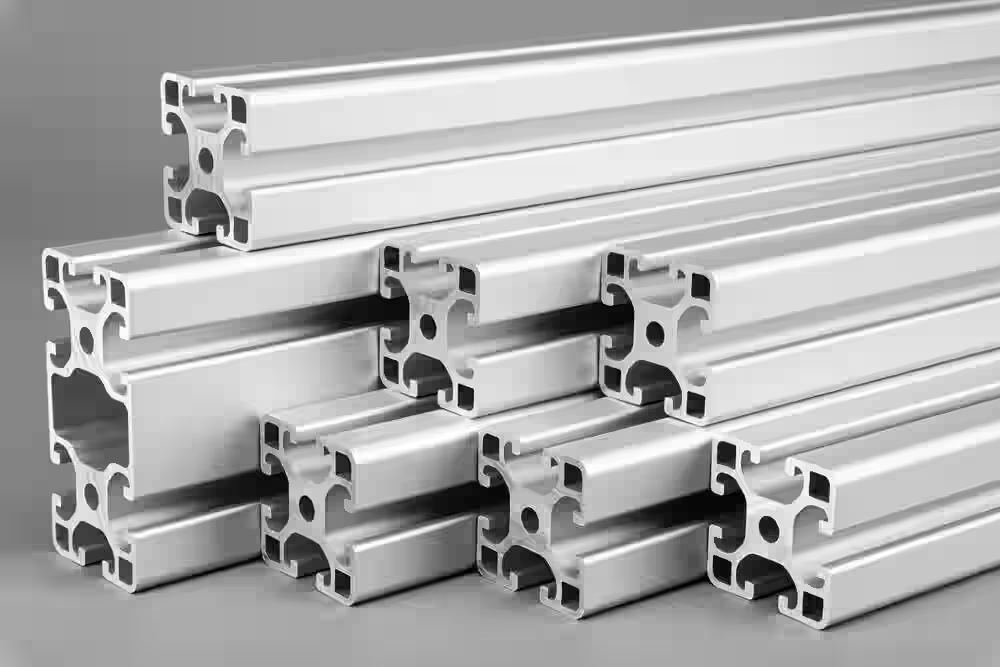
Creel frames, guide rails and machine sections extruded to OEM drawings with anodised wear surfaces.
View rangeCommercial, hospitality, industrial and institutional facades delivered.
Fabricators, contractors and OEMs on repeat supply agreements.
Die engineers, press operators, QC inspectors and site teams.
Architectural, industrial, thermal and solar profile families.
Overseas buyers usually ask the same five technical questions before issuing an enquiry. We publish the answers up front so your engineering team can validate compatibility without a lengthy back-and-forth.
Need a section that is not listed? Share a drawing and target tolerance class — our die shop will confirm feasibility, extrusion ratio and minimum wall thickness within two working days.
Thermal Break Data| Parameter | Specification |
|---|---|
| Alloy / Temper | 6063, 6063A, 6061, 6082 — T5 / T6 |
| Profile Envelope | Up to 250 mm circumscribing circle |
| Wall Thickness | 0.8 mm – 12 mm (profile dependent) |
| Standard Length | 6,000 mm; custom cuts on request |
| Surface Options | Mill, anodised 10–25 µm, powder coat 60–80 µm, wood grain |
| Tolerance Reference | EN 12020-2 / ASTM B221 guidance |
| Die Lead Time | 7–10 working days for new tooling |
| Custom MOQ | ≈500 kg per profile per colour |
| Packing | Interleaved paper, shrink wrap, wooden crate / pallet |
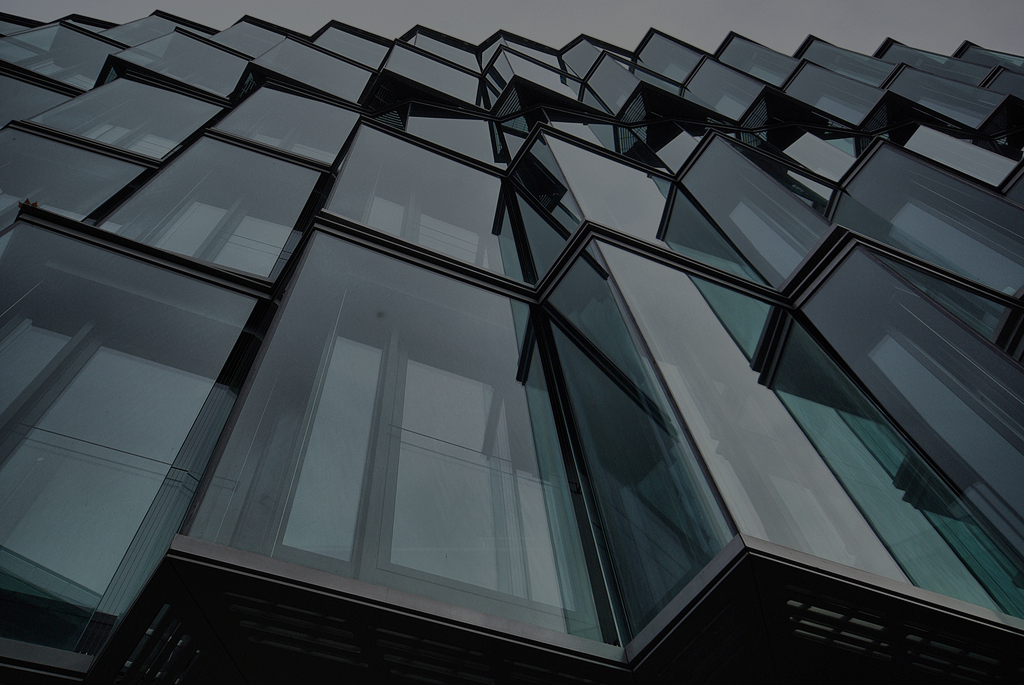
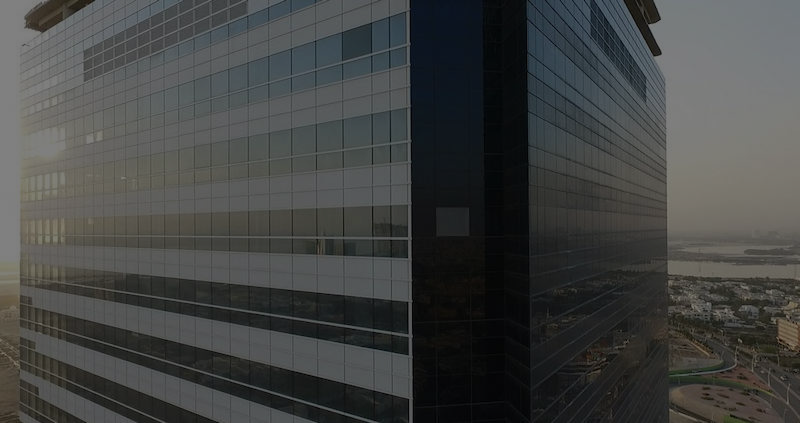
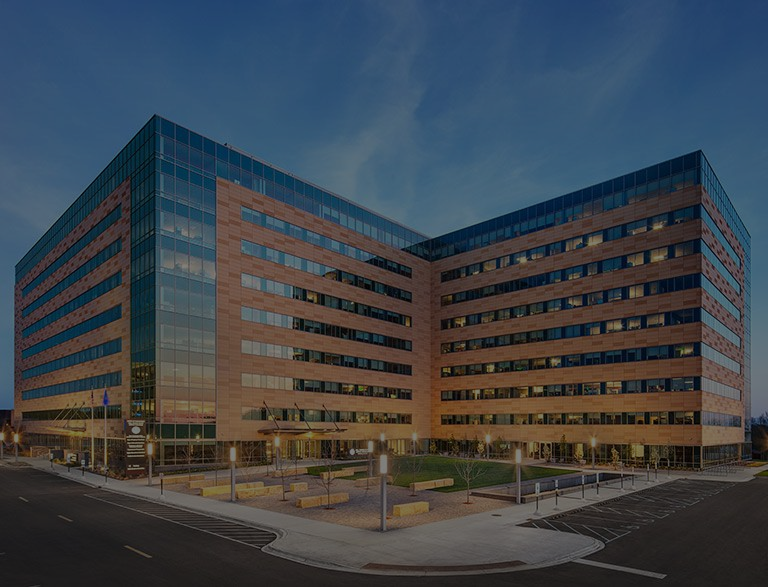
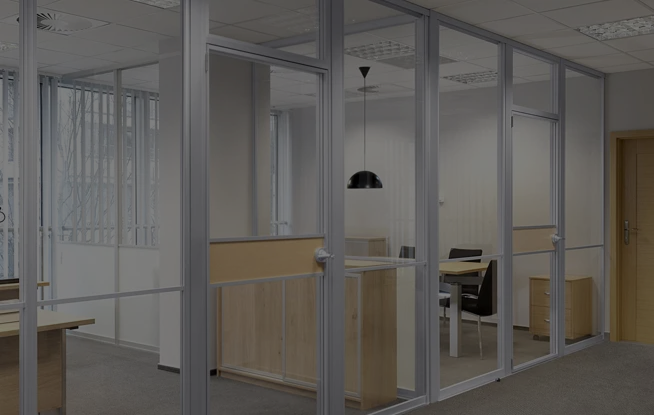
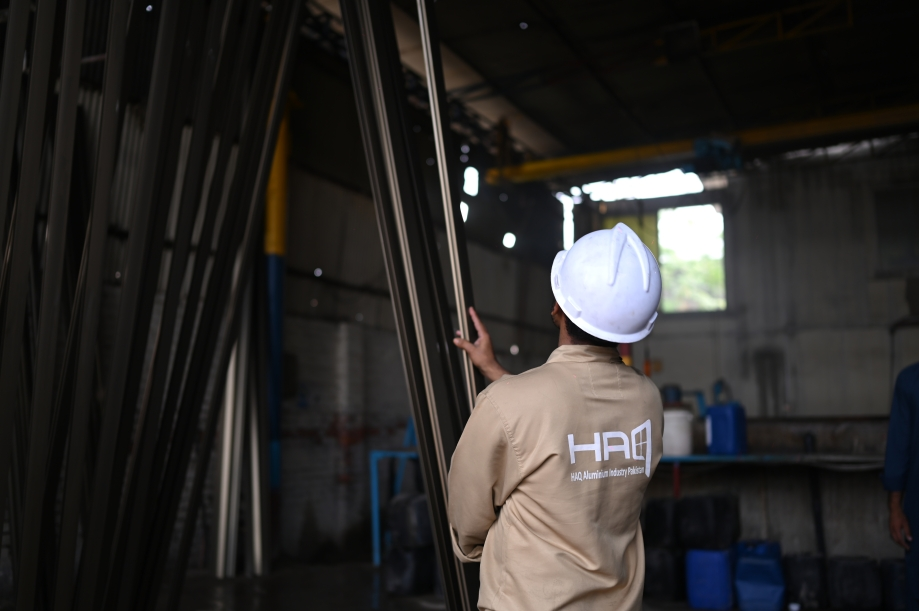
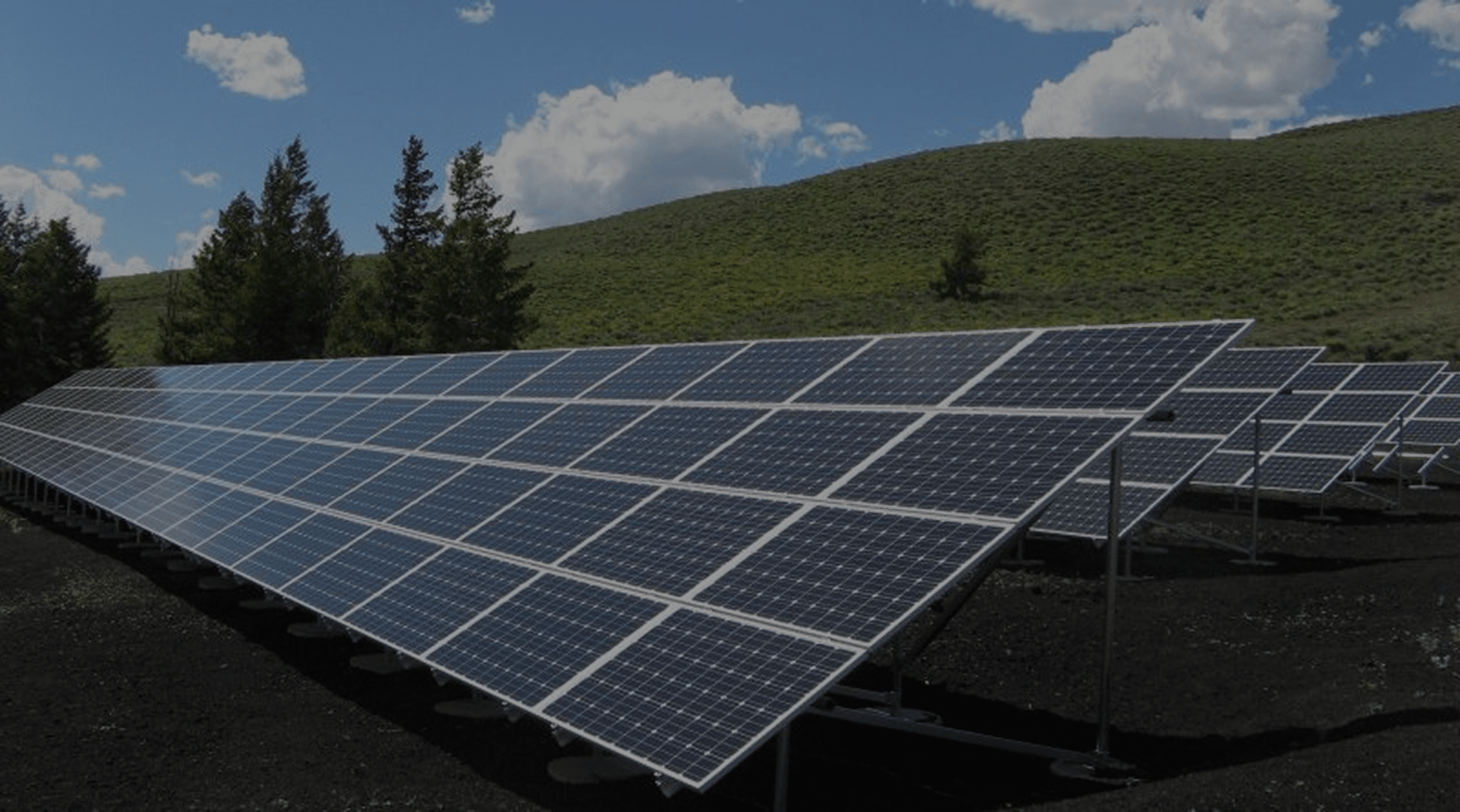
Selected landmarks where HAQ Aluminium profiles, facade systems or industrial sections were supplied and installed.
We measure progress by how often specifiers write our profile numbers into their drawings. That means investing continuously in die accuracy, finishing durability and honest technical documentation rather than in marketing claims.
Our roadmap prioritises thermally broken systems for energy-efficient buildings, and lightweight extrusions for solar and electronics thermal management — the two segments where aluminium demand is compounding fastest.
Fabrication cost on site is driven by fit, not by kilogram price. Consistent web thickness, square corners and repeatable coating thickness cut rework on the shop floor and shorten glazing schedules.
Every order is released with dimensional, hardness and coating inspection data tied to its heat and lot number, so your QA team can accept material with evidence instead of assumption.
Our internal control plan covers incoming billet, press parameters, ageing cycles, coating chemistry and final packing — each with defined acceptance criteria and recorded results.

Chemical composition, Webster hardness, straightness and dimensional checks referenced to recognised extrusion standards, with mill test reports issued per batch.
Film thickness, cross-hatch adhesion, impact, boiling water and salt-spray tests applied to powder-coated lots before despatch approval.
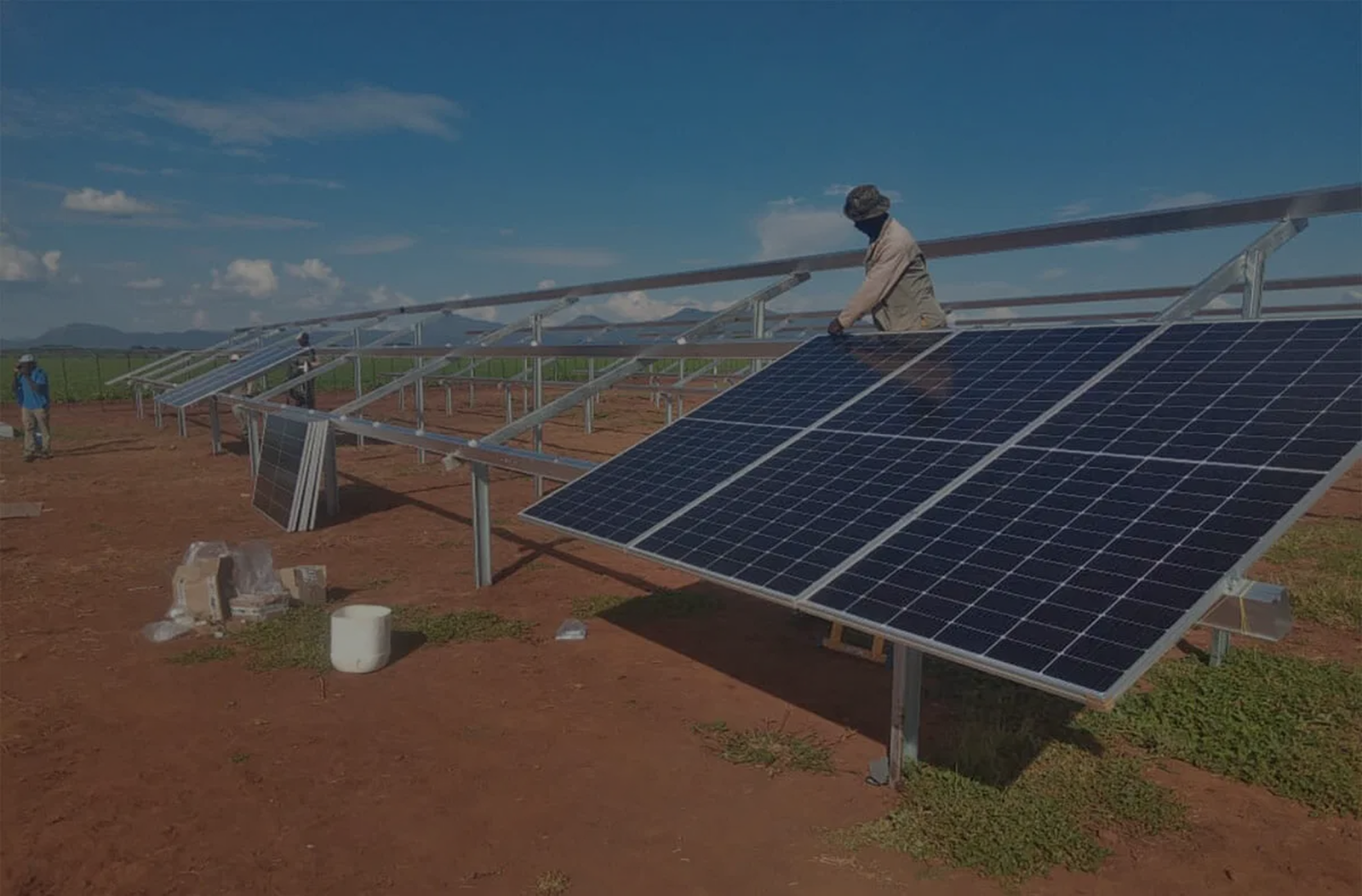
Developers, industrial groups, energy companies and public institutions who have relied on our extrusions and installation teams.









Our presses run 6000-series billet — primarily 6063 and 6063A in T5 and T6 temper for architectural systems, and 6061/6082 where higher mechanical strength is required, such as loom beams, structural angles and heat sink bases. Alloy certificates and mill test reports accompany every export shipment.
Mill finish, anodising from 10 to 25 microns, electrostatic powder coating in RAL and custom shades, wood-grain sublimation, plus matt and gloss textures. Powder coating is applied in-house on a vertical line with chromate-free pre-treatment, giving controlled film build between 60 and 80 microns.
Standard catalogue profiles ship from stock. Custom dies typically require around 500 kg per profile per colour. Die tooling is completed in 7–10 working days, and mass production runs 15–25 working days depending on finish, quantity and packing specification.
Yes. Send DWG, DXF or STEP files. Our die design team reviews extrudability, wall-thickness balance, extrusion ratio and tolerance class, then manufactures H13 tooling and supplies a first-article sample for dimensional approval before mass production begins.
Chemical composition, Webster hardness, straightness, twist, dimensional tolerance referenced to EN 12020 / ASTM B221 guidance, coating film thickness, cross-hatch adhesion and salt-spray performance. Inspection records are archived against heat and lot numbers for traceability.
Coated sections are interleaved with protective paper or PE film, bundled, shrink-wrapped and loaded into wooden crates or on pallets sized for container stuffing. Marking, bundle weights and packing lists follow the buyer's documentation format.
Share your drawings, alloy preference and finish requirement. Our engineers will confirm extrudability, tooling plan and production schedule.