
0%

Choosing the right Aluminum Loom Beam Sections can influence fabric quality, machine stability, and long-term maintenance costs. Global buyers often compare alloy grade, wall thickness, beam length, surface finish, and compatibility with existing looms. These details matter on the factory floor. A poorly matched section may create vibration, uneven warp tension, or difficult installation.

Textile machinery consultant Dr. Arun Mehta explains, “A loom beam is not merely a support; it is part of the loom’s tension-control system.” His observation reflects practical engineering experience. The strongest option is not always the heaviest one. Weight affects handling, transport, and operator safety. Precision matters more than bulk. Buyers should request dimensional drawings, tolerance data, alloy certificates, and production samples before placing large orders. Supplier communication also deserves attention. A clear drawing can prevent an expensive mistake.

This guide reviews ten Aluminum Loom Beam Sections for international purchasing teams. Each option is considered through performance, manufacturing consistency, corrosion resistance, and application suitability. The comparison is useful, but not absolute. Different looms require different beam geometries. Some profiles perform well in high-speed weaving, while others suit lighter fabric production. Even experienced buyers can overlook connector fit or storage conditions. That weakness should be acknowledged. A reliable decision combines technical evidence with real operating experience. Check the details twice. Ask better questions. Then select the section that supports stable production, not just an attractive quotation.
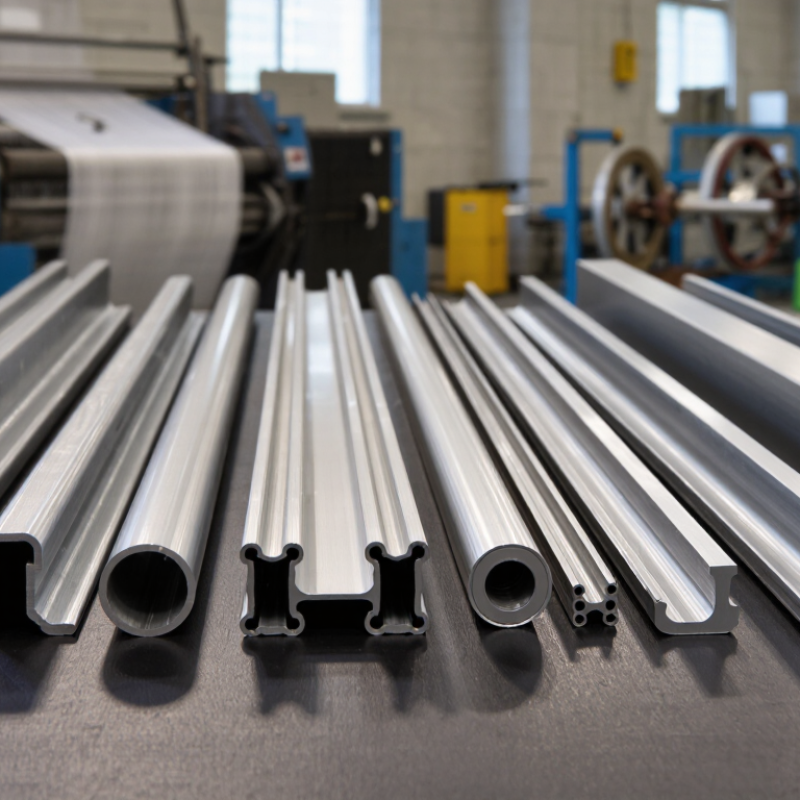
Top 10 Aluminum Loom Beam Sections for Global Buyers?

Understanding Aluminum Loom Beam Sections and Their Industrial Role

Understanding Aluminum Loom Beam Sections and Their Industrial Role

Aluminum loom beam sections support warp packages, guide alignment, and transfer loads across textile machinery. Their geometry matters more than appearance. A deep rectangular section resists bending, while ribbed or box profiles improve stiffness without excessive weight. For global buyers comparing the top ten section types, check wall thickness, straightness, joint access, and surface treatment. Small errors can create uneven warp tension, vibration, or premature bearing wear.

Textile Exchange reported that global fiber production reached 124 million tonnes in 2023 and may reach 160 million tonnes by 2030. This expansion increases demand for stable, serviceable weaving equipment. Aluminum sections help reduce moving mass and simplify installation, especially when operators must reposition beams manually. Still, lighter is not always better. Poorly supported profiles may deflect under a loaded warp beam. That issue is easy to miss during a showroom inspection.

The International Aluminium Institute states that recycled aluminum requires about 5% of the energy used for primary aluminum production. This supports lower-impact sourcing when recycled content meets required mechanical standards. Buyers should request alloy certificates, dimensional inspection records, and deflection data under working loads. Anodized surfaces can improve wear and corrosion resistance, but coating quality varies. A practical trial should include tension changes, machine speed, and cleaning conditions. Specifications alone do not reveal every weakness.

Key Dimensions, Shapes, Alloys, and Surface Options Explained

Top 10 Aluminum Loom Beam Sections for Global Buyers: Key Dimensions, Shapes, Alloys, and Surface Options Explained

The ten practical sections include rectangular, square, I, T, U, L, hollow, ribbed, slotted, and custom profiles. Rectangular beams suit compact frames. I-sections reduce weight while preserving bending strength. Hollow sections resist twisting efficiently. Typical widths range from 40 to 180 millimeters, with wall thicknesses near 3 to 10 millimeters. Actual sizing depends on loom speed, reed force, span, and bearing placement. A clean drawing can still fail in production.

Common choices include 6061-T6 and 6082-T6 aluminum, covered by widely used ASTM B221 extrusion requirements. 6063-T5 offers smoother extrusion surfaces, but it normally provides less structural strength. The Aluminum Association’s Aluminum Statistical Review reports global primary aluminum production above 70 million metric tons annually in recent years. This scale supports broad material availability, yet alloy consistency still requires mill certificates and hardness checks. Surface options include mill finish, clear anodizing, hard anodizing, and powder coating. Anodizing improves wear resistance. Coating may hide scratches, not dimensional errors.

Tips: Confirm the finished profile after heat treatment. Ask for straightness, flatness, and corner-radius tolerances. ASTM B221 and ISO 6362 can guide extrusion inspection. The International Aluminium Institute notes that recycled aluminum can require about 95% less energy than primary metal. That benefit matters, but recycled content may vary in chemistry. I would not select a beam by alloy name alone. Test deflection under realistic loom loading. Small alignment errors become visible quickly.

How to Evaluate the Top 10 Loom Beam Sections for Global Applications

Evaluating the top 10 aluminum loom beam sections starts with the machine, not the catalog. Check the required beam length, mounting points, fabric width, and operating speed. A section with deeper ribs may resist bending better, while a compact profile can reduce weight. Measure wall thickness carefully. Small variations can affect alignment and vibration.

Consider alloy strength, hardness, corrosion resistance, and surface condition for each section. Coastal mills may need stronger protection against humid, salty air. Dry inland factories may prioritize low weight and easy handling. Inspect flange flatness, slot dimensions, hole positions, and corner radii. These details influence installation time and fabric tension. An experienced engineer should compare load data with actual loom behavior, including startup shocks and continuous vibration.

Request dimensional drawings, alloy certificates, tolerance records, and inspection samples from the supplier. Traceable documentation improves confidence across international shipments. Packaging also matters; unprotected edges can arrive scratched or slightly distorted. I have seen a theoretically excellent section fail because its mounting holes were offset by only a few millimeters. That mistake was avoidable. Still, laboratory data cannot predict every factory condition. Trial fitting, vibration observation, and feedback from maintenance workers remain valuable. Keep records of section weight, measured deflection, installation effort, and service performance before approving a standard profile.

Performance Comparison: Strength, Weight, Compatibility, and Durability

Selecting the right aluminum loom beam section requires more than comparing catalog dimensions. The ten most practical profiles include rectangular, square, I-shaped, box, channel, U-shaped, T-shaped, ribbed, tapered, and slotted sections. Each changes load distribution, mounting space, and machine compatibility.

Rectangular and box sections usually provide strong bending resistance, but their larger walls can increase weight. I-shaped profiles reduce mass efficiently, although narrow flanges may complicate fixtures. Channel and U-shaped sections allow easier access for fasteners. Slotted designs support adjustable mounting, yet slots can weaken local areas if bolts are overtightened. Weight matters.

In production checks, beam deflection often matters more than maximum advertised strength. A heavier section may reduce vibration, but it can raise shipping cost and installation effort. Alloy grade, temper, wall thickness, and extrusion tolerances should be verified before purchase. Compatibility also includes beam length, bearing seats, drive connections, and existing loom spacing. Small dimensional errors can create uneven tension across the fabric.

Durability depends on repeated loading, surface treatment, moisture, cleaning chemicals, and contact with steel fittings. Anodized surfaces can improve wear resistance, but they do not correct poor joint design. Corrosion may begin around drilled holes. I would not rank one profile as universally best. The ideal choice changes with loom speed, fabric width, payload, and regional service conditions. Some comparisons remain imperfect because suppliers measure strength under different test methods. Asking for inspection records and sample measurements is safer than trusting a single number.

International Buying Factors: Standards, Customization, Pricing, and Supply

Top 10 Aluminum Loom Beam Sections for Global Buyers?

International buyers should treat standards as a design filter, not a paperwork exercise. For extruded aluminum sections, EN 755 and ASTM B221 provide useful references for dimensions, tolerances, and mechanical properties. However, neither standard automatically validates a complete loom beam. Buyers should request alloy certificates, temper records, dimensional inspection, and a documented load test. A 6063-T6 profile may suit light structures, while heavier beams may require stronger alloys or thicker walls. Small details matter, especially flange flatness and hole alignment.

Customization affects both performance and cost. Specify beam length, slot geometry, wall thickness, surface treatment, and allowable deflection before requesting quotations. Anodizing can improve surface durability, but it also adds processing time. The International Aluminium Institute reports global aluminum demand could approach 119 million tonnes by 2030, increasing pressure on extrusion capacity and delivery schedules. That forecast is useful, though it does not predict every regional shortage.

Pricing should be linked to metal weight, machining, packaging, and freight—not only price per meter. The World Bank’s Commodity Markets Outlook recorded aluminum at roughly US$2,419 per metric ton in 2024. Actual loom beam quotations can move differently because alloy premiums and conversion charges vary. Ask for a validity period and a transparent surcharge formula. I would not trust an unusually low offer without checking straightness, weld repairs, and protective packaging. A beam arriving with crushed corners is not a saving.

FAQS

What should be checked before choosing an aluminum loom beam section?

Check beam length, mounting points, fabric width, operating speed, and existing machine spacing. Small errors matter.

Which beam shapes are commonly considered for loom applications?

Common options include rectangular, square, I-shaped, box, channel, U-shaped, T-shaped, ribbed, tapered, and slotted sections. Each distributes loads differently.

How does profile shape affect beam performance?

Rectangular and box sections resist bending well but may weigh more. I-shaped sections reduce weight but can complicate fixtures.

Why is beam deflection important?

Excessive deflection can create uneven fabric tension, vibration, and alignment problems. Maximum advertised strength is not enough.

When can a slotted beam section be useful?

Slots allow adjustable mounting and easier alignment during installation. Overtightened bolts can weaken the surrounding area.

What environmental conditions influence section selection?

Humid coastal mills may need stronger corrosion protection. Dry factories may prioritize lighter weight and simpler handling.

Which measurements should be inspected before approval?

Inspect wall thickness, flange flatness, slot dimensions, hole positions, corner radii, straightness, and bearing seats.

What documents should international buyers request?

Request dimensional drawings, alloy certificates, temper records, tolerance reports, inspection samples, and documented load-test results.

How should the total purchase cost be evaluated?

Compare metal weight, machining, surface treatment, packaging, freight, and price validity. A cheap quotation may hide weak packaging or inaccurate machining.

Can laboratory data guarantee factory performance?

No. Trial fitting, vibration observation, and maintenance feedback reveal conditions tests may miss. My comparison may remain imperfect.

Conclusion

This guide explores Aluminum Loom Beam Sections and their essential role in modern textile machinery, focusing on how their design influences weaving efficiency, stability, and long-term performance. It explains the importance of key dimensions, cross-sectional shapes, alloy selection, and surface treatments, helping readers understand how each option affects structural strength, weight, corrosion resistance, and compatibility with different loom systems.

For global buyers, the article presents a practical framework for evaluating the top ten section types across demanding industrial applications. It compares load capacity, dimensional accuracy, durability, installation requirements, and maintenance considerations, while also addressing international purchasing factors such as technical standards, customization, quality inspection, lead times, packaging, and pricing. By balancing performance needs with supply reliability and total ownership costs, buyers can select Aluminum Loom Beam Sections that provide consistent operation and dependable value across diverse manufacturing environments.

Seraphina

Seraphina

Seraphina is a dedicated marketing professional with a strong understanding of the company’s products, customers, and evolving market needs. Through a combination of strategic thinking, clear communication, and practical industry knowledge, she helps translate complex product features into......