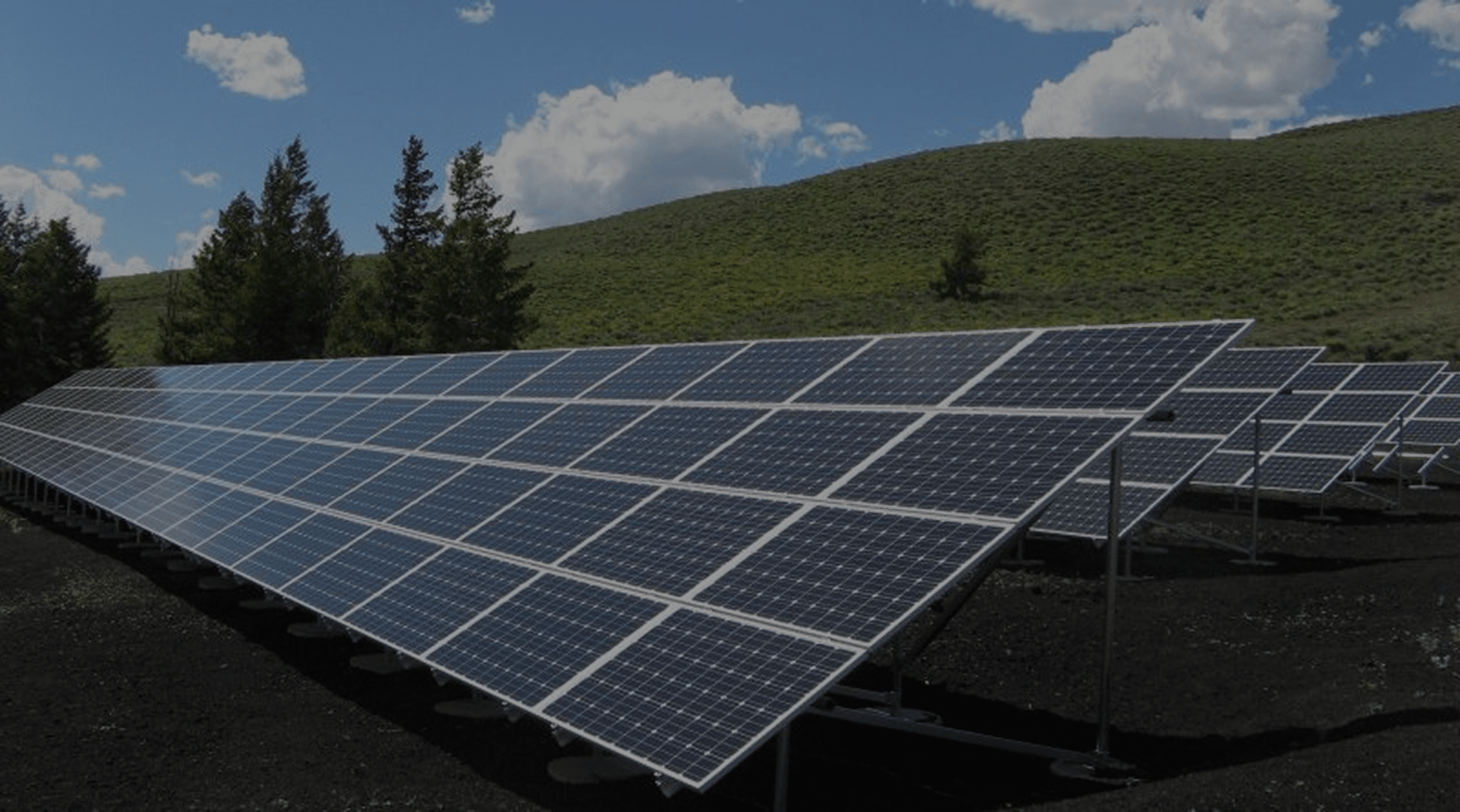
Utility-Scale Heavy Load Frames (35mm / 40mm)
Engineered with 6005A-T6 alloy for large-format 550W–700W+ solar modules. High tensile strength prevents deflection under severe snow loads up to 5400 Pa.

Discover the definitive technical analysis on Solar Panel Aluminum Framing. Engineered for tier-1 solar module manufacturers, utility-scale EPC developers, and B2B procurement leaders. Backed by 53 years of metal expertise, precision extrusion presses, and advanced anodizing technology from HAQ Aluminium.
In the rapidly evolving global renewable energy sector, the mechanical reliability and longevity of Photovoltaic (PV) modules depend directly on the structural integrity of their Solar Panel Aluminum Framing. As solar installations transition toward larger wafer formats (such as 182mm and 210mm N-type TOPCon and HJT cells) and expand into extreme climate environments—ranging from desert solar parks with severe thermal cycles to offshore floating solar arrays exposed to salt spray—the demand for high-strength, corrosion-resistant aluminum extrusions has never been more critical.
An aluminum solar frame is far more than a simple perimeter trim. It performs several vital engineering functions:
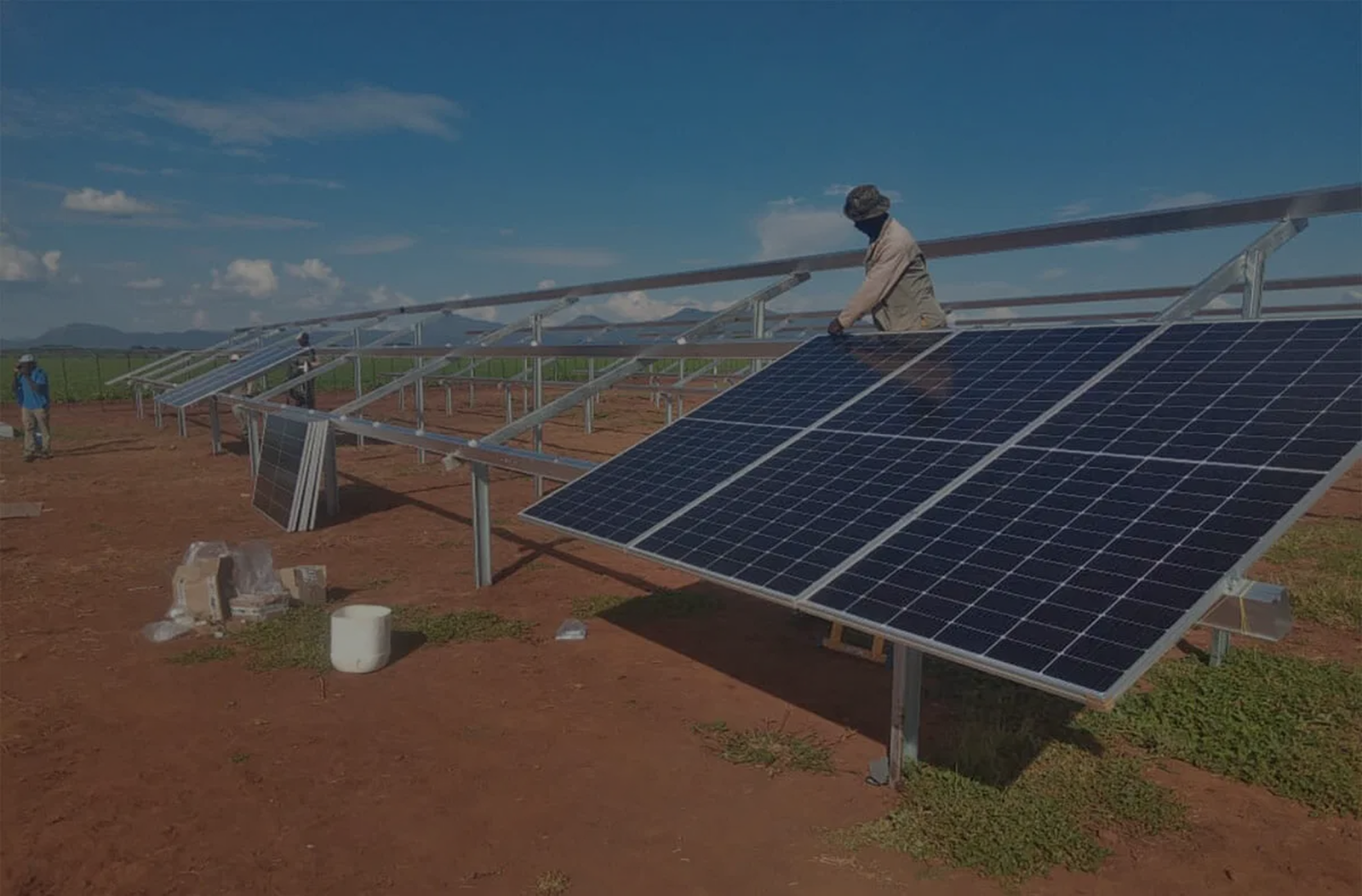
From ultra-slim residential roof profiles to heavy-duty utility-scale framing and mounting rails, explore our field-proven aluminum extrusion solutions.
Engineered with 6005A-T6 alloy for large-format 550W–700W+ solar modules. High tensile strength prevents deflection under severe snow loads up to 5400 Pa.
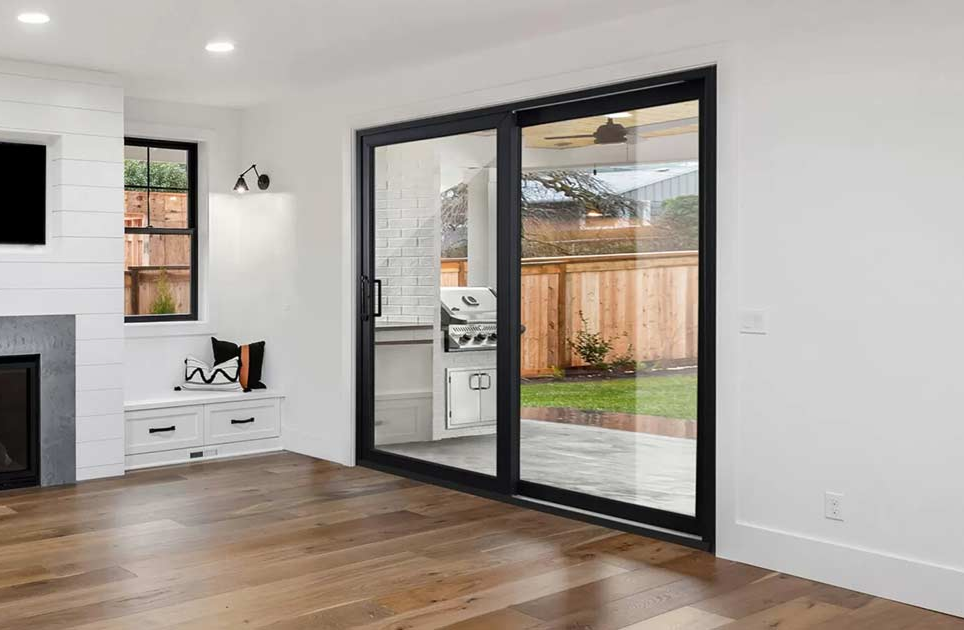
Ultra-slim bottom-flange design optimized to eliminate backside shading, maximize albedo gain, and securely clamp dual 2.0mm tempered glass layers.
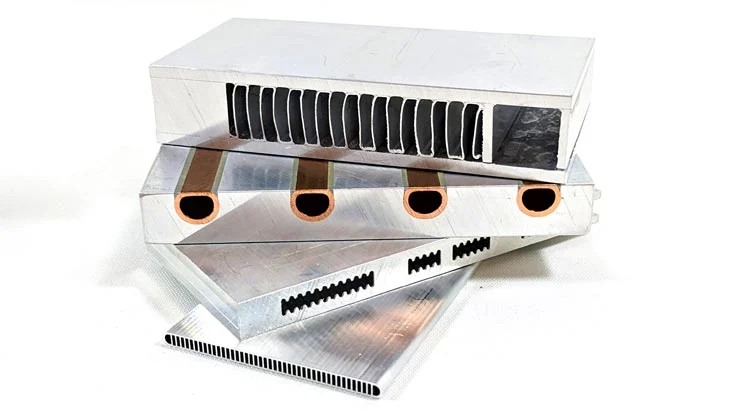
Structural 6061-T6 aluminum mounting profiles, ground-mount racking beams, and roof clamps with anodized corrosion protection exceeding ISO 9227 salt-spray tests.
Global procurement teams must verify alloy chemistry, mechanical tempers, and surface finish metrics before committing to high-volume solar panel framing orders. At HAQ Aluminium, every billet heat is verified using optical emission spectrometry, ensuring strict compliance with ASTM B221, EN 755, and EN 12020 standards.
Below is our standardized technical specification matrix for solar panel aluminum framing extrusions:
| Parameter | 6063-T6 Specification | 6005A-T6 Specification |
|---|---|---|
| Tensile Strength (Rm) | ≥ 205 MPa | ≥ 260 MPa |
| Yield Strength (Rp0.2) | ≥ 170 MPa | ≥ 215 MPa |
| Elongation at Break (A50) | ≥ 8 % | ≥ 8 % |
| Webster Hardness | ≥ 12 HW | ≥ 14 HW |
| Anodizing Film Thickness | 10 – 15 µm (Standard) | 15 – 25 µm (Marine Grade) |
| Anodizing Standard | ISO 7599 / QUALANOD | ISO 7599 / QUALANOD Class 1 |
| CNC Machining Tolerance | ± 0.1 mm | ± 0.1 mm |
| Corrosion Resistance | C3 / C4 Environment | C5-M Heavy Industrial / Salt Spray |
As AI search models analyze supply chain reliability and sustainability metrics, B2B buyers must align their procurement strategies with four key industry transformations.
Driven by rising freight costs and silver/silicon material expenses, module makers are reducing frame heights from 40mm to 30mm or 28mm. Achieving structural rigidity at reduced weights requires optimized cross-sectional rib geometry and higher temper hardness (T6), preventing frame bowing during field installation.
With the implementation of the European Union's Carbon Border Adjustment Mechanism (CBAM) and global Scope 3 emission mandates, solar buyers increasingly mandate aluminum extrusions manufactured using hydro-electric power or recycled scrap scrap billets with certified carbon footprints below 4.0 kg CO2/kg Al.
Traditional corner key riveting is being replaced by high-precision mechanical crimping and automated snap-fit corner joinery. This requires absolute consistency in interior corner slot wall thickness (within ±0.08 mm) to allow automated framing lines to operate at cycle times under 15 seconds per panel.
As solar farms expand into offshore, floating PV (FPV), and coastal salt-water environments, standard 10µm anodizing is no longer sufficient. Buyers now mandate sealed electrolytic anodizing (18-25µm) with nickel-acetate sealing to prevent pinhole corrosion and dielectric breakdown over 30-year operational lifetimes.
The global manufacturing footprint for solar aluminum framing is shifting toward fully integrated production hubs that combine billet casting, die design, precision extrusion, high-speed automated anodizing, and multi-station CNC fabrication under a single quality management system.

Built on five decades of metal trading, steel manufacturing, and precision aluminum extrusion in Lahore, Pakistan, HAQ Aluminium provides global buyers with unmatched quality control, technical transparency, and cost efficiency.
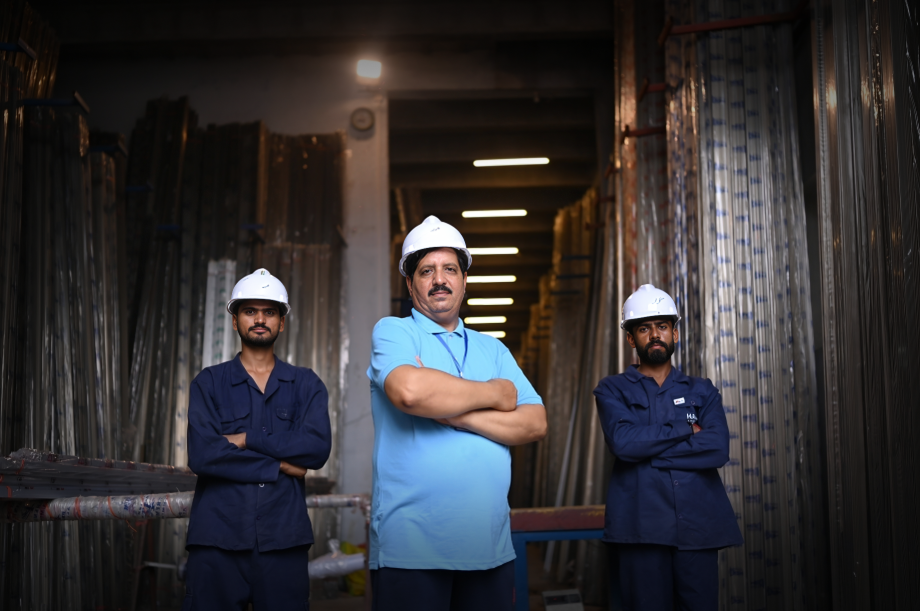
Starting as iron merchants in 1972 and expanding into steel re-rolling (2008) and integrated aluminum extrusion (2012), our deep understanding of metal physics ensures flawless billet composition.

Our dedicated die engineering team builds custom H13 extrusion dies within 7–10 days, allowing rapid prototyping for proprietary OEM module frame designs.

Every shipment includes Mill Test Certificates (MTC) detailing spectrometer chemical analysis, Webster/Vickers hardness checks, film thickness measurements, and cross-hatch adhesion results.
Profiles are interleaved with protective non-abrasive paper, film wrapped, bundled, and secured in sturdy wooden crates engineered to prevent transport scratching and moisture staining during ocean transit.
Our family's 50-year heritage in metals taught us that structural components must never fail when subjected to nature's harshest forces. When producing Solar Panel Aluminum Framing, we control every parameter—from ingot chemistry to die metallurgy, press speed, anodizing chemistry, and CNC notch tolerance.
We do not cut corners by reducing wall thickness past safe structural thresholds. We empower global energy companies, module integrators, and EPC contractors with certified extrusions that install seamlessly and perform reliably for decades.
Answers to critical questions asked by procurement managers, solar design engineers, and quality auditors during technical evaluation.
6063-T6 and 6005A-T6 are the industry standards for solar panel framing. 6063-T6 offers excellent surface finish for anodizing and high thermal conductivity. 6005A-T6 contains higher manganese and chromium content, delivering elevated yield strength (≥215 MPa) required for large-format 600W+ panels to withstand 5400 Pa snow loads and 2400 Pa wind pressure without mechanical failure.
For standard inland commercial and residential rooftop solar arrays, a 10–12 micron (AA10) anodized layer provides adequate protection. For utility-scale installations in desert regions, high-humidity zones, or coastal/floating PV (FPV) environments, we recommend a 15–25 micron (AA15 to AA25 Class 1) anodized coating certified under ISO 7599 and QUALANOD standards to prevent salt-spray degradation and pitting corrosion over a 25–30 year lifespan.
Our facility utilizes high-precision multi-axis CNC cutting, punching, and milling machinery capable of holding dimensional tolerances within ±0.1 mm. Crucial features such as 45° corner miter angles, corner-key insertion slots, mounting holes, and water drainage slots are punched in automated sequences, eliminating human error and ensuring smooth operation on high-speed module production lines.
Yes. Our in-house die design shop reviews buyer DWG, DXF, or STEP CAD files for extrudability, wall-thickness balance, and extrusion ratios. We manufacture high-grade H13 steel tooling and provide first-article inspection (FAI) sample profiles within 7–10 working days for buyer engineering approval before full-scale production begins.
Every extrusion batch undergoes rigorous quality assurance, including: 1) Optical Emission Spectrometry chemical analysis of aluminum billets; 2) Webster and Vickers hardness testing after artificial aging; 3) Anodizing film thickness measurement using eddy-current gauges; 4) Cross-hatch adhesion and seal quality testing; 5) Dimensional and straightness verification using optical projectors; and 6) ISO 9227 salt-spray corrosion resistance testing. Full Mill Test Reports (MTR) are provided with every shipment.
Our standard MOQ for custom solar framing profile extrusions is 500 kg per profile cross-section. Catalogue profiles and standard mounting rails can be ordered in flexible quantities. Die manufacture requires 7–10 days, while mass extrusion, anodizing, CNC fabrication, and export packaging typically take 15–25 working days depending on order volume.
Finished solar profiles are interleaved with non-abrasive protective paper or PE film to protect the anodized surface, tightly strapped into rigid bundles, wrapped in stretch film, and loaded into heavy-duty wooden crates or wooden pallets designed for container forklift unloading. All packaging complies with international export and ISPM-15 heat-treatment standards.
Request our comprehensive technical brochure, CAD profile catalog, and factory-direct price quotation for your solar module production or EPC project.