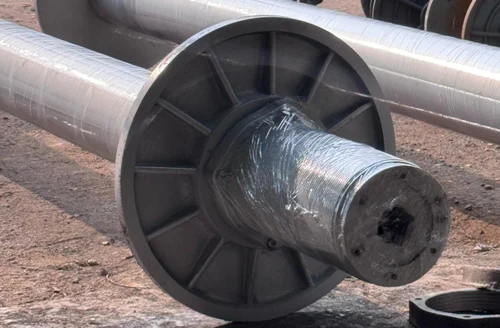
Loom Beam Sections
Balanced-wall structural extrusions for air-jet, rapier, and water-jet weaving looms. Designed for minimal deflection under high yarn tension.

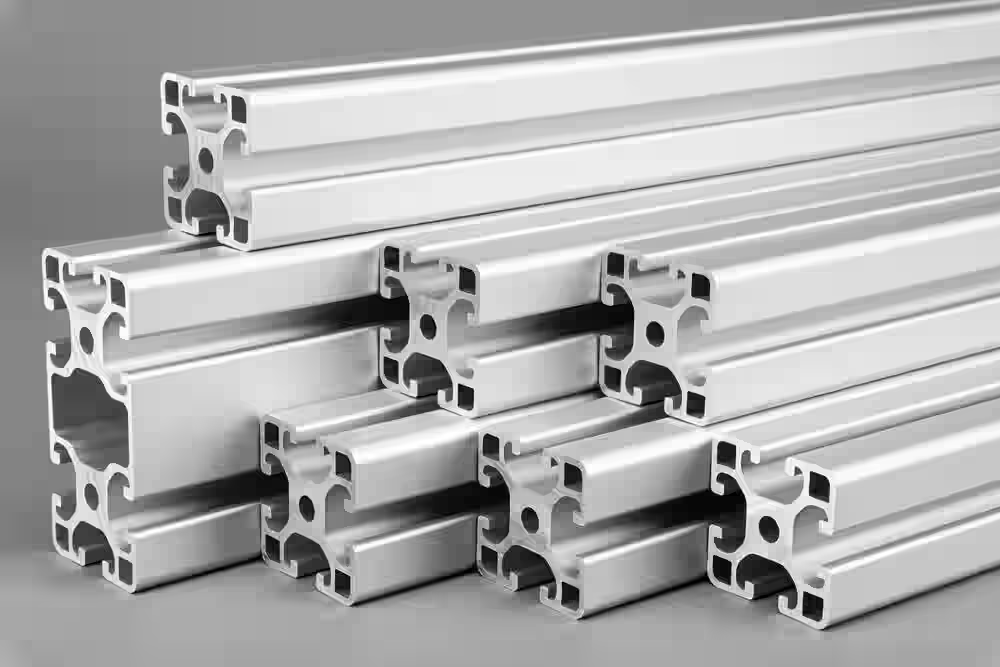
Custom engineered aluminium extrusions designed for spinning machinery, weaving loom beams, yarn guide rails, and high-performance textile equipment.
At HAQ Aluminium, we specialize in manufacturing high-precision aluminium textile sections optimized for modern, high-speed textile machinery. Leveraging over five decades of metalworking heritage and state-of-the-art extrusion technology in Lahore, Pakistan, we supply international OEM buyers and textile mill operators with extrusions engineered to strict dynamic tolerances.
Textile operations require machinery components that endure continuous dynamic loads, high rotational speeds, and corrosive, humid environments. Our custom 6000-series alloy extrusions reduce component mass while maintaining structural rigidity, drastically lowering inertia and energy consumption for spinning frames and weaving looms.
Engineered to OEM exact specifications in 6063-T6, 6061-T6, and 6082-T6 alloys for smooth, continuous textile manufacturing operations.
Balanced-wall structural extrusions for air-jet, rapier, and water-jet weaving looms. Designed for minimal deflection under high yarn tension.
Vibration-resistant structural channels and hollow profiles engineered for ring spinning, open-end rotor frames, and winding equipment.

Hard-anodized low-friction surface tracks designed for high-speed yarn traverse mechanisms, reed caps, and slider assemblies.
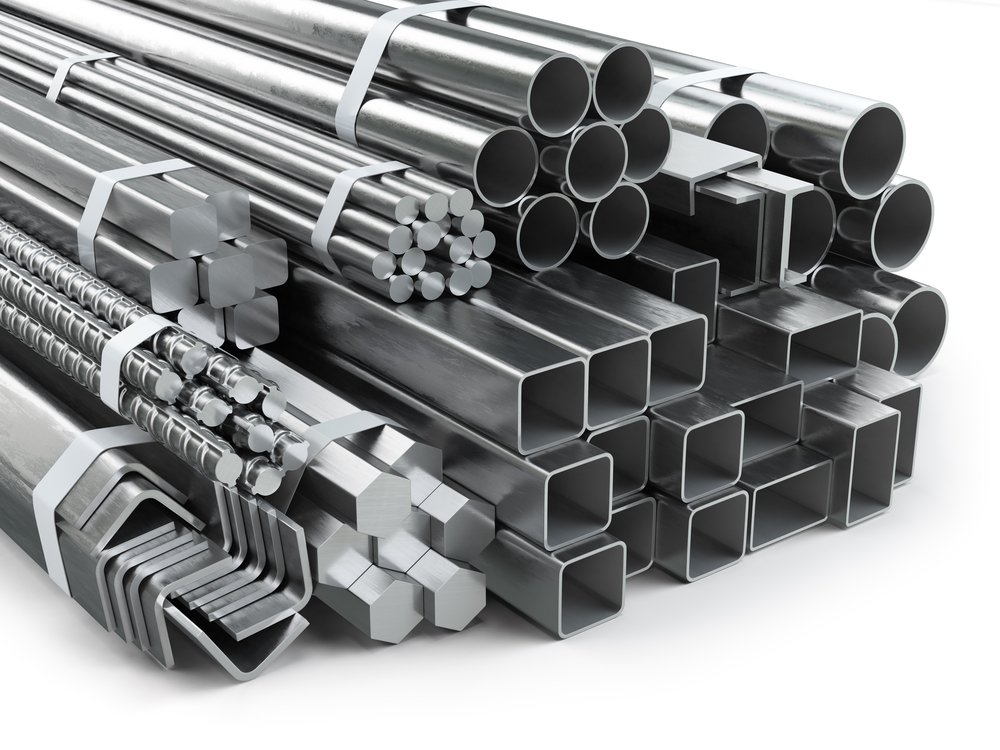
Lightweight precision tube extrusions and carrier bars providing stable alignment for high-capacity creel stand systems.
Overseas procurement teams require exact metallurgical and dimensional transparency. Our production processes adhere strictly to EN 12020-2 and ASTM B221 guidance, ensuring seamless drop-in fitting for textile machinery parts.
Every shipment is accompanied by a mill test certificate (MTC) documenting chemical composition, Webster hardness, and straightness verification.
| Parameter | Technical Details |
|---|---|
| Alloy Standard | 6063, 6063A, 6061, 6082 |
| Temper Conditions | T5, T6 (High Tensile & Rigidity) |
| Profile Circumscribe | Up to 250 mm Diameter Envelope |
| Machining Tolerances | EN 12020-2 / DIN 17615 (Tight to ±0.1mm) |
| Surface Finishing | Hard Anodizing (10–25 µm), Electro-polishing, Matte Powder Coat |
| Dynamic Balance | Low-vibration balancing for high-rpm textile components |
| Custom Tooling Lead Time | 7–10 Working Days for H13 Dies |
| Export Packaging | Interleaved paper, shrink wrap, steel-strapped wooden crates |
Textile mills operate 24/7 under high stress. A single defective beam section can cause yarn breakage, loom downtime, and heavy maintenance costs. At HAQ Aluminium, we enforce a strict 4-stage quality protocol:
1. Billet Analysis: Optical emission spectroscopy to verify 100% primary ingot purity.
2. Press Monitoring: Isothermal extrusion control for uniform grain structure.
3. Ageing Control: Computerized precipitation hardening to achieve target Webster hardness.
4. Surface Auditing: Micron-level film thickness checks and salt-spray corrosion testing.
Do you require a proprietary section for a customized spinning frame, creel rail, or weaving beam? Send us your STEP, DWG, or DXF files.
Our die design team evaluates wall thickness distribution, extrusion ratio, and structural load capacity. We fabricate high-grade H13 steel dies, perform trial extrusions, and dispatch first-article samples with full CMM inspection reports before starting mass production.
We primarily utilize high-tensile 6063-T6, 6061-T6, and 6082-T6 alloys. These tempers deliver superior structural stability, low rotational inertia, and excellent vibration absorption essential for high-speed weaving and spinning equipment.
Our plant uses automated post-extrusion precision stretchers and age-hardening ovens. Every textile beam section is held to tight dimensional tolerances (up to ±0.1mm) and verified for minimal deflection across full production lengths.
We offer hard-coat anodizing (15–25 microns), electro-polishing, and specialized anti-static powder coatings. These treatments shield profiles against continuous humidity, chemical dyes, and mechanical fiber friction.
Yes. Our in-house tool shop engineers H13 steel dies directly from your STEP, DWG, or DXF files. Tooling is finalized within 7–10 days, followed by sample inspection and CMM validation before full-scale manufacturing.
Request technical specifications, CAD die evaluations, or direct factory quotations. Our engineering team responds within 24 hours.