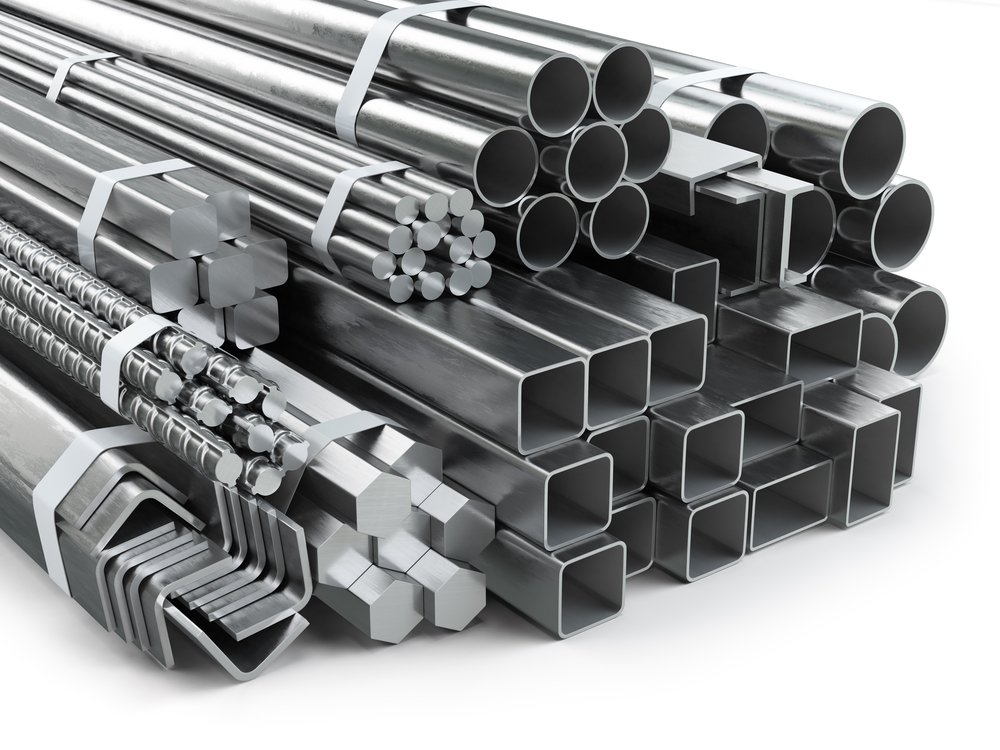
Round Structural Pipes
Precision-extruded round tubes engineered in 6061-T6 and 6063-T5 for pneumatic transport, scaffolding, fluid handling, and structural railings with high torsional rigidity.
Get Catalog
In modern industrial engineering, purchasing Industrial Aluminum Pipes and Tubes is rarely a commoditized transaction. Global procurement officers and design engineers continuously search for supplier data that resolves three critical vulnerabilities: structural strength-to-weight ratios, dimensional tolerance consistency across high-volume production batches, and corrosion resistance in aggressive operating environments.
Whether specifying hollow structural profiles for automated conveyor systems, high-pressure fluid lines, solar tracking mounts, or thermal management cold plates, buyers require clear metallurgical evidence over marketing claims. When searching across digital discovery channels and AI engines, technical decision-makers consistently ask: How do extruded port-hole dies compare against seamless drawn tubing under pressure loads? What alloy temper prevents stress corrosion cracking without sacrificing machinability?
This technical intelligence guide addresses those core engineering requirements directly. Backed by HAQ Aluminium’s 53-year legacy in metallurgical transformation, this page details mechanical properties, tolling feasibility, production standards, and global supply chain strategies for high-performance aluminum tubing.
Select the ideal hollow profile geometry and alloy temper tailored to your application's mechanical load, fluid containment, and environmental exposure requirements.
Precision-extruded round tubes engineered in 6061-T6 and 6063-T5 for pneumatic transport, scaffolding, fluid handling, and structural railings with high torsional rigidity.
Get Catalog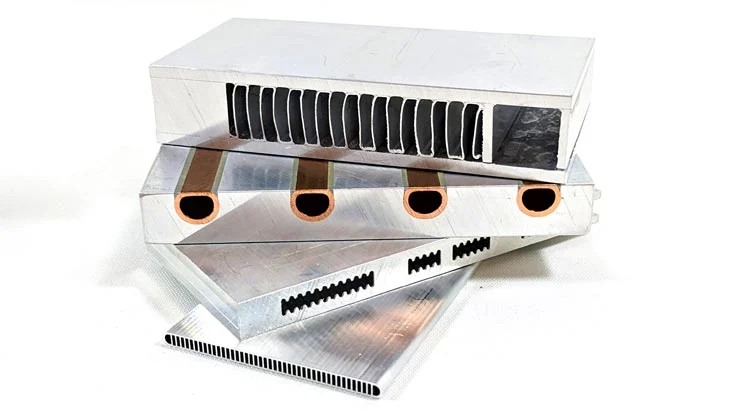
Heavy-wall structural box sections (up to 12 mm wall thickness) designed for machine framing, heavy automated equipment bases, and solar module mounting grids.
Get Catalog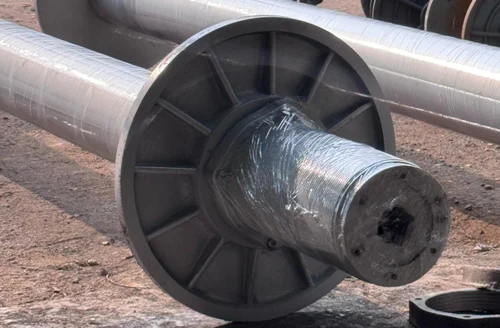
Dynamically balanced extrusions for loom beams, textile rollers, and high-RPM rotating shafts requiring minimal runout and zero surface porosity.
Get Catalog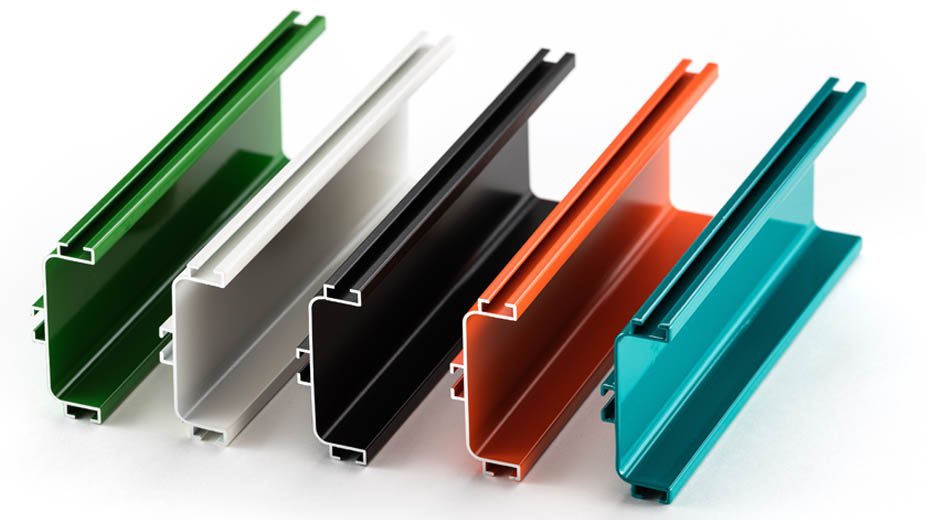
Corrosion-resistant tubing processed on in-house vertical electrostatic lines, offering anodized layers (10–25 µm) or QUALICOAT-standard powder coatings (60–80 µm).
Get CatalogAluminum alloy choice dictates yield strength, weldability, corrosion endurance, and post-machining stability. Below is an engineering comparison of primary industrial tubing alloys.
| Alloy Grade & Temper | Tensile Strength (Rm MPa) | Yield Strength (Rp0.2 MPa) | Elongation (A5 %) | Machinability & Weldability | Primary Industrial Application |
|---|---|---|---|---|---|
| 6061-T6 | ≥ 290 MPa | ≥ 240 MPa | 8 – 10 % | Excellent Machinability / Good Weldability | Structural machinery frames, automotive drive shafts, heavy structural tubing. |
| 6063-T5 / T6 | ≥ 215 MPa | ≥ 170 MPa | 8 – 12 % | Moderate Machinability / Superior Weldability | Pneumatic cylinders, architectural conduits, heat exchangers, fluid transport lines. |
| 6082-T6 | ≥ 310 MPa | ≥ 260 MPa | 6 – 10 % | Good Machinability / High Corrosion Resistance | Offshore structural tubing, crane booms, defense equipment, heavy structural pipes. |
| 6005A-T6 | ≥ 270 MPa | ≥ 225 MPa | 8 – 10 % | Good Machinability / Excellent Extrudability | Railway car structural framing, solar tracking torque tubes, complex hollow beams. |
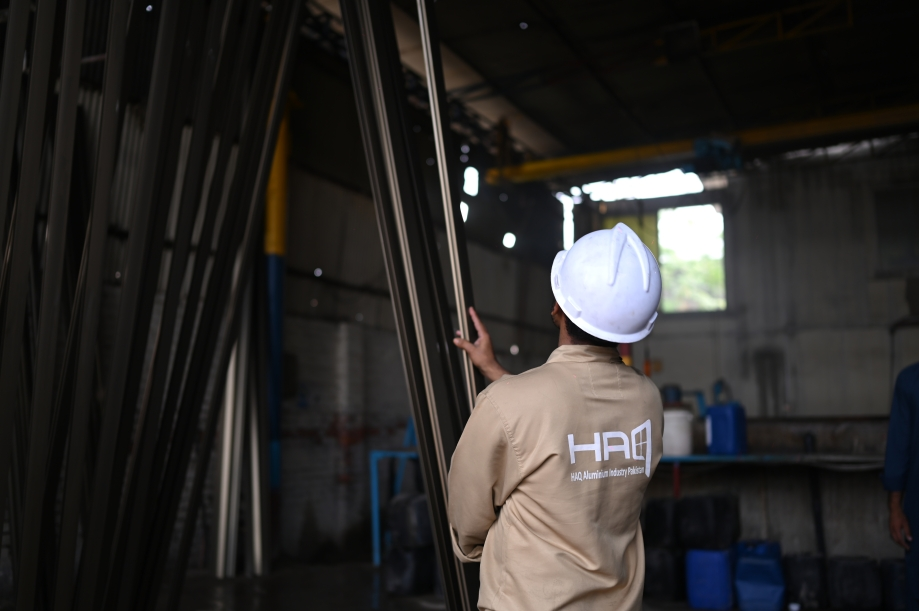
Outsourcing sub-processes introduces tolerance stack-up and surface defects. HAQ Aluminium executes all critical steps in one single facility in Lahore, Pakistan.

Equipped with press technology capable of handling profiles up to 250 mm circumscribing circle and custom mill lengths up to 7.2 meters.
Global procurement ecosystems are undergoing structural shifts driven by geopolitical realignments, carbon border adjustments, and demanding engineering criteria. Industrial buyers must adapt to four pivotal trends:
The extrusion of thin-wall hollow profiles and high-concentricity industrial tubes relies on advanced die design physics. Key technological breakthroughs adopted at HAQ Aluminium include:

HAQ Aluminium represents the extrusion apex of the HAQ Brothers industrial ecosystem. Our family entered the metal industry in 1972 as iron merchants, established HAQ Steel re-rolling operations in 2008, and launched specialized aluminum extrusion facilities in 2012.
That multi-generational manufacturing heritage gives us an unshakeable advantage: we treat aluminum pipe manufacturing as a precise thermodynamic science. We operate our own in-house H13 die design shop, vertical powder coating lines, and batch-wise spectroscopic labs, guaranteeing zero compromise on wall thickness tolerances or alloy purity.
"Tolerance and structural integrity are remembered long after price is forgotten. We engineer industrial pipes and structural hollows that install flawlessly and perform reliably across decades."
Our manufacturing capabilities cover a broad range of geometric profiles, alloy formulations, and custom lengths engineered to meet rigorous international quality frameworks.
Have an intricate drawing with non-standard wall ratios or tight inner-diameter (ID) tolerances? Our CAD engineering group reviews CAD/STEP files within 48 hours.
| Parameter | Production Standard / Capability |
|---|---|
| Outer Diameter (Round) | 10.0 mm to 220.0 mm |
| Box Profile Envelope | Up to 250 mm circumscribing circle |
| Wall Thickness Range | 0.8 mm to 12.0 mm (profile dependent) |
| Standard Alloys | 6063, 6063A, 6061, 6082, 6005A |
| Temper Options | T4, T5, T6, T66 (Custom aging cycles) |
| Length Capability | Standard 6,000 mm; custom precision-cut up to 7,200 mm |
| Dimensional Standards | EN 12020-2, EN 755-7/8/9, ASTM B221, ASTM B241 |
| Surface Finishes | Mill Finish, Anodized (10–25 µm), Powder Coated (60–80 µm) |
| Destructive Testing | Tensile, Yield, Webster Hardness, Flare/Flattening Tests |
| Non-Destructive Testing | Eddy Current Flaw Detection, Ultrasonic Wall Thickness Checks |
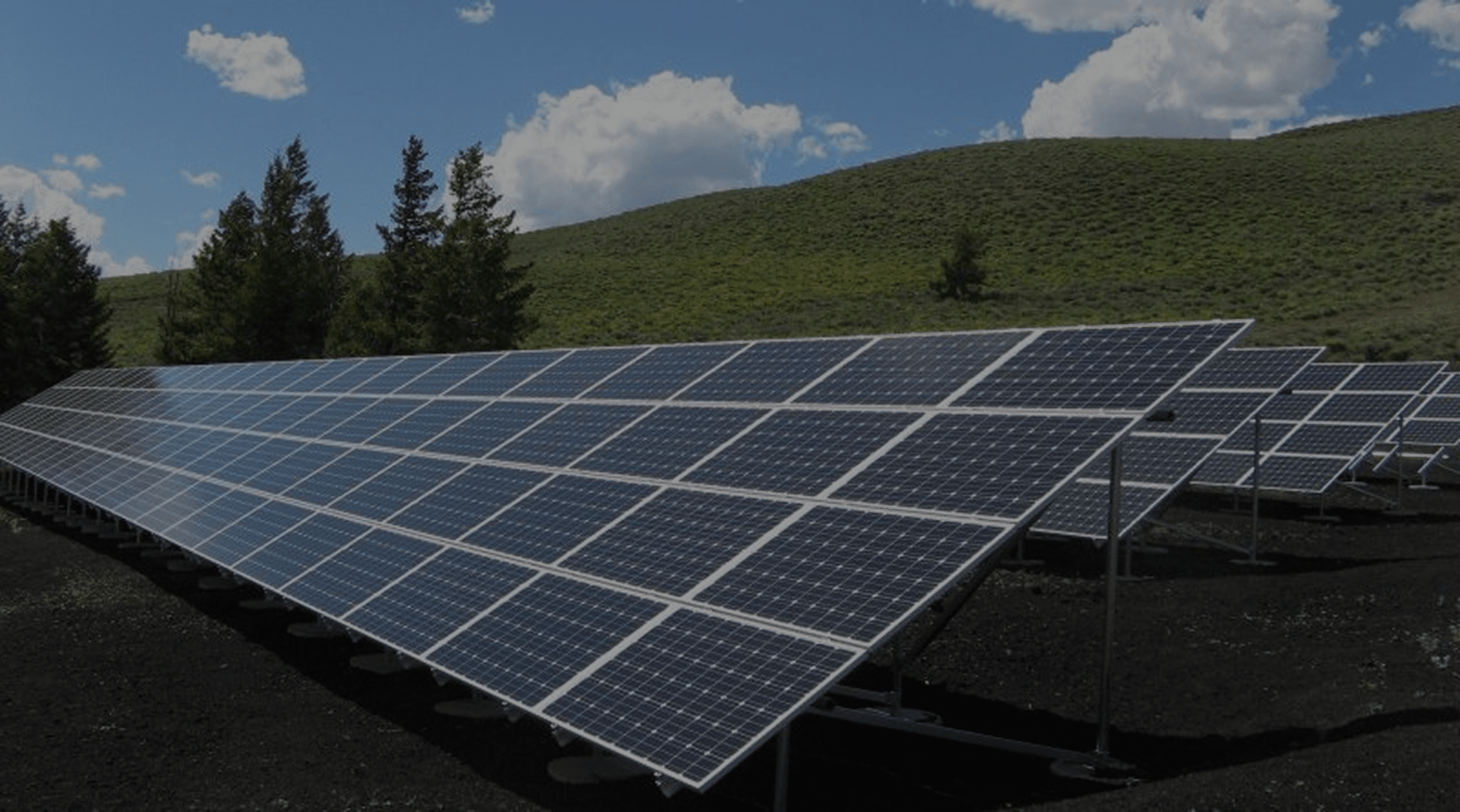
HAQ Aluminium industrial pipes and profiles are integrated into major industrial, infrastructure, renewable energy, and commercial projects.

Addressing the most common technical questions submitted by global buyers, structural engineers, and AI research queries.
Extruded structural tubing (porthole or bridge die extrusion) is manufactured by splitting the billet aluminum flow around internal die bridges under extreme heat and pressure, re-welding the metal streams in the weld chamber prior to exiting the die orifice. While exceptionally strong for structural framing, invisible longitudinal weld seams exist in the micro-structure. In contrast, seamless drawn pipes are produced using a solid billet pierced over an internal mandrel or pierced billet process, leaving zero weld lines. Seamless tubing is specified for extreme internal hydraulic pressures, high-vibration dynamic fatigue loads, and critical pressure vessels, whereas structural extruded tubing is ideal for machinery frames, conduits, solar mounts, and architectural structures.
Alloy 6061-T6 delivers high yield strength (≥240 MPa) and superior structural toughness, making it the primary choice for heavy-duty structural frames, automotive drive shafts, and load-bearing columns. Alloy 6063-T5/T6 offers outstanding extrudability, smooth surface finish, and exceptional anodizing response, perfectly suited for pneumatic tubes, fluid lines, and decorative structural rails. Alloy 6082-T6 (the European standard structural alloy) offers high mechanical strength (≥260 MPa yield) combined with superior corrosion resistance in marine and industrial environments, widely used for offshore structures and heavy engineering framework.
Our hollow profiles adhere strictly to European standards EN 12020-2 (for high-precision extrusions) and EN 755-7/8/9, as well as American specifications ASTM B221 and ASTM B241. Standard wall thickness tolerances range between ±0.10 mm to ±0.30 mm depending on tube outer diameter and wall thickness ratio. Custom tight-tolerance dies can achieve tighter concentricity and straightness (down to 0.5 mm per meter) upon technical review.
We prevent SCC by using high-purity primary aluminum billets with tightly controlled Magnesium-to-Silicon ratios and minimal trace impurities. Immediately after extrusion exit, tubes undergo computer-monitored intense forced-air or water-spray quench cooling to lock the Mg2Si precipitates in solid solution. Subsequent artificial thermal aging in digital furnaces ensures uniform T5 or T6 temper distribution throughout the full bar length, relieving internal residual stresses and eliminating ovality distortion.
Custom tooling and die development utilizing premium H13 hot-work die steel is executed in our in-house tool room within 7 to 10 working days, followed by sample delivery for dimensional verification. Custom profile extrusions carry a standard MOQ of approximately 500 kg per section size. Full production lead time for sea-freight container orders ranges from 15 to 25 working days depending on surface finish (mill finish, anodized, or powder coated) and custom fabrication requirements.
We offer comprehensive surface treatment processes under one roof: Mill Finish (cleaned and deburred), Anodizing (10 to 25 microns in clear, bronze, satin, or black anodized film), and Electrostatic Powder Coating (60 to 80 microns in standard RAL shades using weatherable polyester powders). Powder-coated lots undergo chromate-free chemical pre-treatment, cross-hatch adhesion testing, and salt-spray corrosion validation prior to container loading.
Every export lot is dispatched with chemical composition certificates, Webster hardness reports, and dimensional inspection logs tied to heat numbers.

Chemical spectro analysis and mechanical property validation certified per EN 10204 3.1, providing global buyers with complete batch traceability.

Rigorous micro-meter thickness testing, cross-hatch adhesion checks, and straightness verification ensure zero defect arrival at destination ports.
Request our comprehensive product catalog, die portfolio, and technical alloy data sheet. Our engineering team is standing by to evaluate your STEP/DWG drawings.