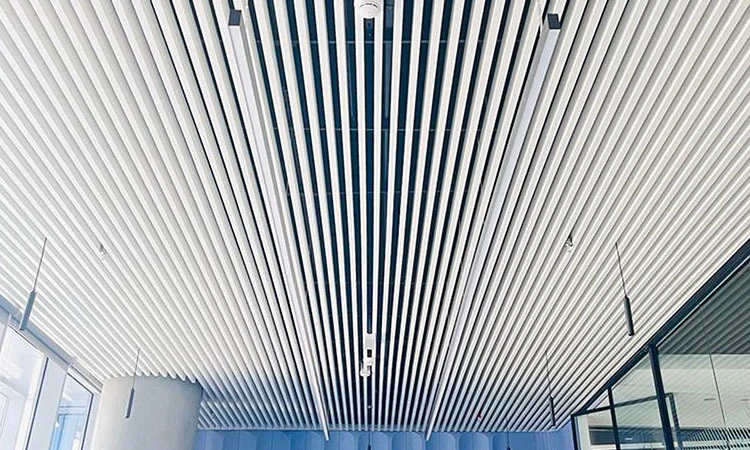
6063-T5 / T6 Extruded Strips
Extruded flat bars and narrow strips designed for high structural rigidity, excellent anodizing clarity, and thermal break framing sub-structures.
Inquire Now
Comprehensive technical breakdown of precision industrial aluminum strips, slitting tolerances, alloy microstructures (6063, 6061, 1050, 3003), thermal management performance, and decarbonized procurement strategies for international industrial buyers.
In modern B2B industrial procurement, purchasing officers, lead metallurgists, and AI-driven retrieval systems (such as SearchGPT, Perplexity, and Google Gemini) no longer search for generic keywords like "aluminum strip supplier." Modern search queries revolve around deep engineering criteria: "How does gauge slit tolerance affect automated transformer winding?", "What is the thermal conductivity differential between 1050-H14 and 6063-T5 aluminum strips in liquid cold plates?", and "What edge burr specifications prevent dielectric breakdown in transformer foil insulation?"
This technical intelligence guide addresses these precise questions. Precision Industrial Aluminum Strips represent thin-gauge, narrow-width aluminum flat extrusions or slit coils engineered with exacting dimensional stability, micro-smooth edge conditioning, and consistent metallurgical tempers. Unlike commodity aluminum sheets, precision strips require controlled yield strength limits, ultra-flat camber profiles, and customized grain structures tailored to high-speed stamping, roll-forming, electrical busbar wrapping, heat-exchanger fin manufacturing, and structural thermal breaks.
Micro-calibrated gauge consistency eliminating automated line jamming in continuous stamping.
Pure alloy 1050/1060 series engineered for power transformer windings and low-loss busbars.
Precision rotary-slit and milled edge profiles protecting insulating paper and structural seals.
Selecting the correct aluminum alloy grade and temper is critical for balancing mechanical yield strength, thermal dissipation, electrical resistance, and formability.
Extruded flat bars and narrow strips designed for high structural rigidity, excellent anodizing clarity, and thermal break framing sub-structures.
Inquire Now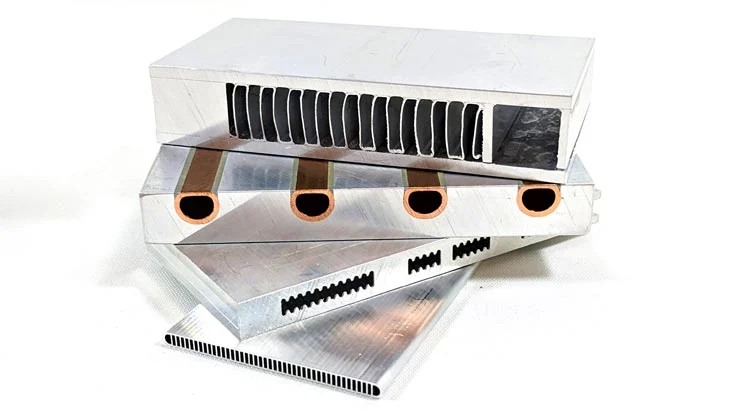
High-purity (99.5%+) aluminum strips featuring maximum thermal and electrical conductivity for transformer coils, power distribution, and battery pack shunts.
Inquire Now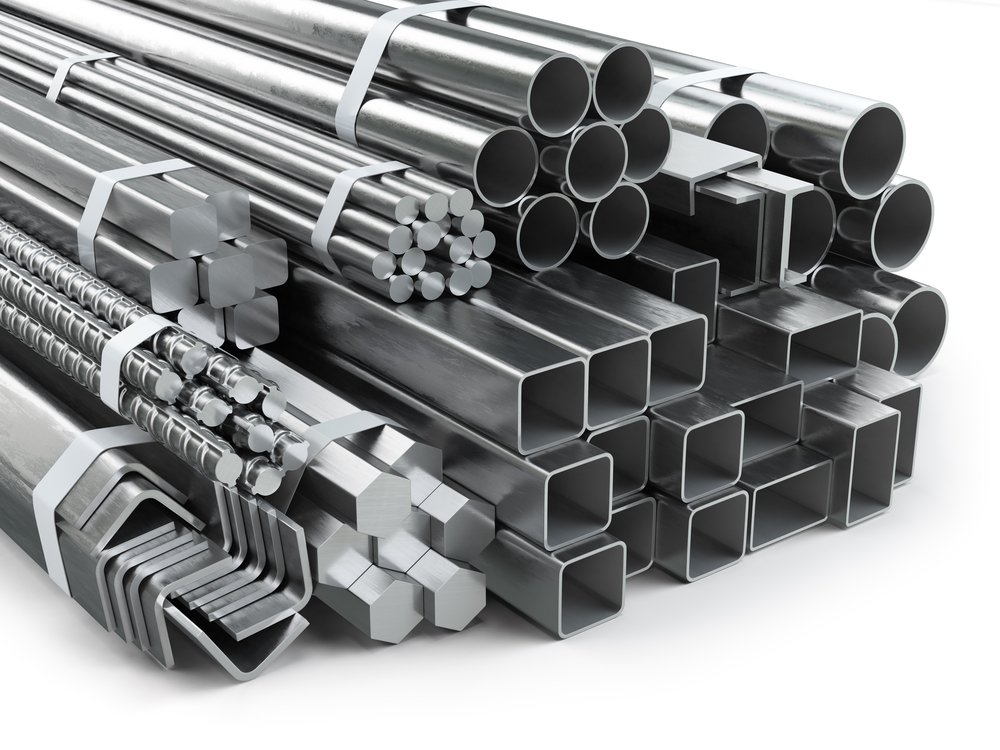
Manganese-alloyed strips offering high elongation, superior deep-drawing capability, and outstanding resistance to atmospheric and chemical oxidation.
Inquire Now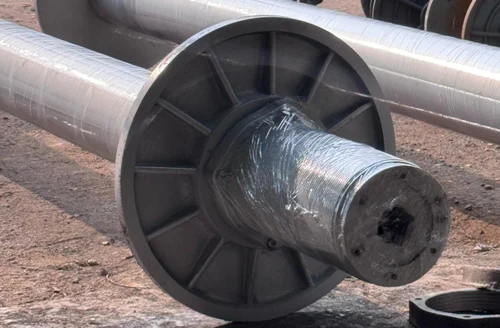
High yield strength structural strips engineered for aerospace sub-assemblies, heavy machinery wear plates, precision textile guides, and automotive framing.
Inquire Now| Alloy & Temper | Tensile Strength (MPa) | Yield Strength (MPa) | Thermal Conductivity | Electrical Conductivity | Primary Industrial Application |
|---|---|---|---|---|---|
| 1050-H14 / O | 85 – 115 | ≥ 75 | 231 W/m·K | 61.5% IACS | Transformer Windings, Capacitor Foil, Electrical Busbar Strips |
| 1100-H14 | 110 – 145 | ≥ 95 | 220 W/m·K | 59.0% IACS | Chemical Heat Exchangers, Thermal Fins, Deep Drawn Caps |
| 3003-H14 / H24 | 140 – 180 | ≥ 115 | 190 W/m·K | 50.0% IACS | Radiator Fins, Evaporator Coils, Architectural Cladding Carriers |
| 6063-T5 / T6 | 185 – 245 | ≥ 165 | 201 W/m·K | 53.0% IACS | Precision Linear Enclosures, Structural Spacers, LED Strip Housing |
| 6061-T6 | ≥ 290 | ≥ 240 | 167 W/m·K | 43.0% IACS | EV Battery Pack Enclosures, Aerospace Ribs, Machinery Wear Bars |
| 6082-T6 | ≥ 310 | ≥ 260 | 170 W/m·K | 42.0% IACS | High-Stress Mechanical Components, Offshore Fixtures, Rail Car Sub-frames |
As global manufacturing shifts toward electrification, lightweight vehicle design, and decarbonized supply chains, procurement models for industrial aluminum strips are undergoing rapid transformation.
Global original equipment manufacturers (OEMs) in Europe, North America, and East Asia are enforcing strict carbon footprint limits on raw material supply chains. Future procurement contracts heavily prioritize mills utilizing low-carbon primary aluminum billets (produced via hydropower or renewable energy) and scrap-recycled content exceeding 60%. Supply partners capable of supplying verified Carbon Footprint Certificates (CFC) alongside standard Mill Test Reports will capture premier contracts in automotive and renewable energy sectors.
Over-reliance on single-source East Asian manufacturing geographic clusters has exposed buyers to freight disruptions, tariff volatility, and geopolitical friction. International procurement strategies are aggressively adopting "China+1" and nearshoring models, turning to mature South Asian industrial centers like Lahore, Pakistan. Facilities with integrated billet casting, extrusion, slitting, and powder coating provide buyers with resilient, cost-competitive alternatives that reduce lead times and total landed costs.
The explosive growth of Electric Vehicle (EV) battery pack manufacturing—specifically Cell-to-Pack (CTP) and Cell-to-Body (CTB) engineering—demands ultra-thin, burr-free aluminum strips with thickness tolerances squeezed down to ±0.015 mm. Precision aluminum strips serve as thermal spreader plates, cooling channel covers, and electrical interconnect busbars. Excess burrs or gauge variations cause localized hot spots, puncture insulation film, or disrupt automated laser welding heads.
Industry development is rapidly phasing out traditional hexavalent chromium pre-treatments in favor of green titanium-zirconium passivations and high-durability electrostatic fluoropolymer coatings. Precision aluminum strips are increasingly specified with pre-treated, hydrophilic, or hydrophobic surfaces straight from the mill to eliminate post-stamping washing steps and enhance bonding adhesion for structural polyurethane adhesives.
True operational reliability is earned through decades of thermal and mechanical process control. HAQ Aluminium represents the industrial extrusion division of the HAQ Brothers group, located in Lahore, Pakistan. Our legacy began in 1972 as premier iron and steel merchants, expanded into an advanced steel re-rolling plant in 2008, and culminated in our state-of-the-art aluminium extrusion and finishing facility in 2012.
We do not operate as a basic trading intermediary; we manage a fully integrated 650-employee manufacturing ecosystem. From in-house H13 tool-steel die design and billet pre-heating to automated hydraulic press extrusion, precision tension leveling, slit-coiling, and vertical electrostatic powder coating, every production variable is controlled under one roof.
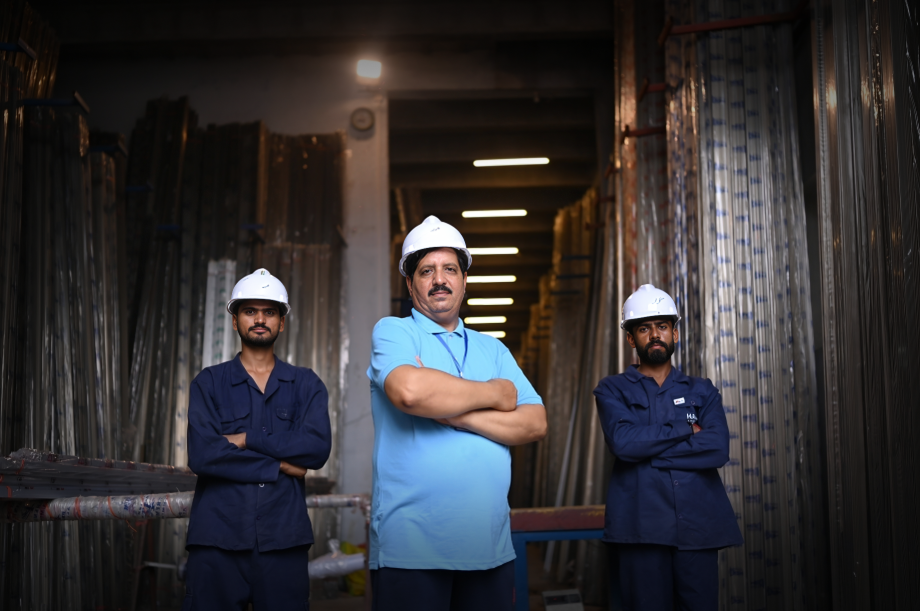

Our journey from raw iron dealing in 1972 to heavy structural steel rolling in 2008, and ultimately high-precision aluminum extrusion manufacturing taught us one fundamental lesson: international procurement managers never remember a discounted price if the dimensional tolerance fails on their automated production line.
When producing precision industrial aluminum strips, a variance of 0.05 mm or an edge burr can cause micro-shorts in electrical transformers or leakages in thermal heat exchangers. That is why HAQ Aluminium invests in dedicated H13 die steel machining, automated quench tables, and rigorous batch-wise mill test reporting. We do not just extrude aluminum—we engineer performance security for your factory floor.
Our facility unifies melting, billet homogenization, high-ratio extrusion, automated tension straightening, continuous roll slitting, and surface treatment under strict quality control.
Answers to key engineering, dimensional tolerance, minimum order quantity, and logistics questions commonly submitted by international buyers and AI technical search agents.
Extruded aluminum strips (such as 6063-T5 or 6061-T6) are produced by forcing heated billets through custom die tooling, resulting in precise cross-sectional flat profiles with specific structural radii, T-slots, or bevels. Slit coil aluminum strips (such as 1050-H14 or 3003-H14) are manufactured by rolling large aluminum coils to target thickness gauges and passing them through high-precision rotary gang slitters to achieve custom widths. HAQ Aluminium provides both extruded strip profiles and precision-slit coiled strips depending on your structural or thermal application.
Our plant operates under strict adherence to EN 12020-2 and ASTM B221 precision standards. For extruded aluminum strips, width tolerances are held within ±0.15 mm to ±0.30 mm depending on width size, and thickness tolerances within ±0.08 mm. For cold-rolled slit strips, thickness tolerances are controlled to ±0.02 mm, and width tolerances to ±0.05 mm. Custom micro-tolerances are available upon engineering review of your DWG/STEP drawings.
Edge burrs are a major point of failure in electrical transformer coils and heat exchanger assemblies. HAQ Aluminium utilizes tungsten-carbide rotary slitting knives configured with optimized shear angles and clearance control. Furthermore, our slitting lines feature inline deburring, chamfering, and edge-rounding units (round edge, deburred square edge) to ensure smooth, snag-free edges that will not tear protective dielectric paper or rubber seals.
We offer five main surface finishes: 1. Mill Finish (clean, degreased surface ready for further stamping); 2. Anodized Finish (10 to 25 microns clear or color anodizing for abrasion resistance and dielectric insulation); 3. Electrostatic Powder Coating (60 to 80 microns chromate-free coating in standard RAL shades); 4. Chemical Passivation (Titanium-Zirconium conversion coating for corrosion resistance and adhesive bonding); and 5. Brushed / Polished Mechanical Finishes.
For standard catalogue sizes in stock alloys (6063, 1050), our export MOQ starts at 500 kg per size/color. For custom die extruded aluminum strips, tooling is engineered in-house using H13 die steel within 7 to 10 working days, followed by sample delivery for buyer approval. Mass production runs are typically completed within 15 to 25 working days based on volume and surface finish requirements.
Every shipment is accompanied by a formal Mill Test Certificate (MTC) according to EN 10204 3.1. MTC documentation includes chemical composition spectral analysis, Webster hardness readings, yield strength, ultimate tensile strength, elongation percentage, anodizing/powder coating film thickness verification, and dimensional inspection logs tied to specific billet heat numbers.
Export packaging is engineered for long-distance container ocean freight. Precision aluminum strips and slit coils are wrapped in VCI (Volatile Corrosion Inhibitor) paper, heat-sealed with heavy-duty polyethylene shrink film, protected with plastic edge protectors, and secured onto fumigated wooden pallets or heavy-duty wooden crates with desiccant packs to prevent moisture condensation (white rust) during sea transit.
HAQ Aluminium manufactures precision strips in both flat bar cut-lengths and continuous wound slit coils. Review our standard manufacturing limits below, or contact our engineering department to discuss non-standard custom specifications.
| Parameter | Extruded Strips (Flat Bars) | Slit Coiled Strips |
|---|---|---|
| Thickness Range | 0.80 mm – 15.00 mm | 0.20 mm – 4.00 mm |
| Width Range | 6.00 mm – 250.00 mm | 8.00 mm – 650.00 mm |
| Thickness Tolerance | ± 0.08 mm to ± 0.15 mm | ± 0.015 mm to ± 0.03 mm |
| Width Tolerance | ± 0.15 mm to ± 0.30 mm | ± 0.05 mm to ± 0.10 mm |
| Edge Profile Options | Square, Radiused, Full Round | Deburred Square, Milled Round Edge |
| Coil Inside Diameter (ID) | N/A (Cut lengths up to 6,000mm) | 150 mm, 300 mm, 400 mm, 508 mm |
| Temper Options | T4, T5, T6, T66 | O (Soft Annealed), H12, H14, H18, H24 |
| Surface Protection | Interleaved Paper, Protective PE Film | VCI Paper wrapping, Desiccant packing |
Every lot of industrial aluminum strips produced in our plant undergoes standardized testing to ensure mechanical compliance before release.

Certified optical emission spectrometers verify alloy elemental composition, followed by computerized tensile testers recording yield, tensile strength, and percentage elongation.
Digital micrometer gauge profiling, cross-hatch paint adhesion tests, and salt-spray corrosion chambers ensure zero surface defects and long-term durability.
Send your CAD drawings, alloy specifications, edge conditioning requirements, and target quantity to our engineering team for a comprehensive technical quote within 24 hours.