EN Contact Us
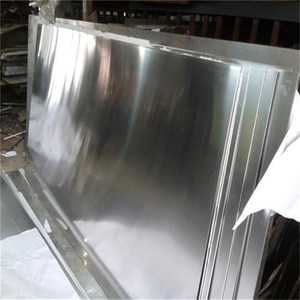
Directly sourced mill-to-market aluminium alloy plates, extruded profiles, and custom CNC components engineered to withstand Oman's severe coastal salinity and thermal extremes.
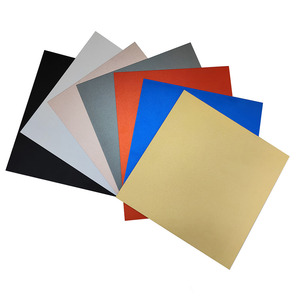
In response to Oman Vision 2040 and rigid sustainability directives established by the Ministry of Housing and Urban Planning, window frame sourcing has transitioned from basic structural enclosures to advanced, energy-efficient thermal barrier systems.
With summer ambient temperatures routinely surpassing 50°C in interior zones like Nizwa and inland Muscat, the Oman Building Code strictly limits overall window Thermal Transmittance (U-Value). Sourcing thermal break window frames with polyamide insulation bridges has become mandatory for all Tier-1 commercial and residential developments.
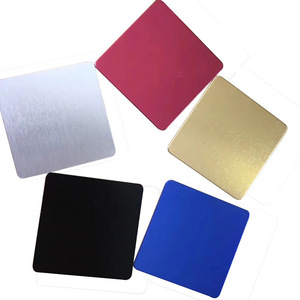
Oman’s expansive 3,165 km coastline—spanning Sohar, Muscat, Sur, and Salalah—creates a punitive ISO 12944 C5-M marine corrosive classification. Standard untreated window frames experience rapid filiform corrosion. Specifiers require high-purity magnesium alloys (5083/5052) and minimum 25-micron anodizing or Qualicoat Class 2/3 powder coatings.
Micro-abrasive particulate erosion during desert shamal winds demands exceptional surface hardness. Furthermore, high-rise developments along the Gulf of Oman require structural window frame extrusions capable of resisting structural wind pressures up to 2.5 kPa to 3.5 kPa without frame deflection or gasket seal failure.
Selecting the correct aluminium alloy and heat treatment temper is the single most critical decision in fenestration engineering. Window frames are complex structural assemblies expected to maintain structural integrity, air-tightness, and color fidelity for 30+ years without major maintenance.
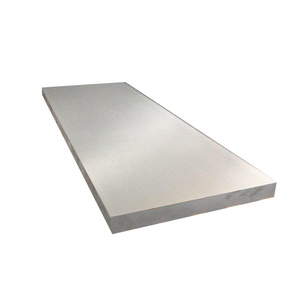
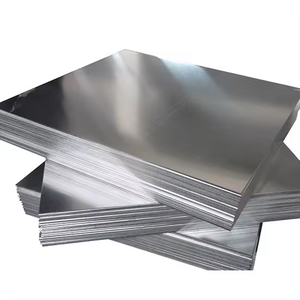
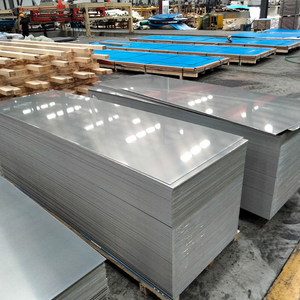
For the Omani market, we specialize in three core architectural alloy series: 6000-series (Al-Mg-Si) for extruded window frame profiles and 5000-series (Al-Mg) for heavy structural brackets, spandrel panels, and coastal window casing plates.
| Alloy & Temper | Tensile Strength (MPa) | Corrosion Resistance | Qualicoat / Anodizing Suitability | Primary Oman Application Scenario |
|---|---|---|---|---|
| 6063-T5 / T6 | 215 - 245 | Excellent (Atmospheric) | Optimal for Powder Coating & Anodizing | Standard & Thermal Break Window Frame Extrusions, Sliding Sash |
| 6061-T6 | 310 - 340 | Very Good | High Hardness, Good Finishes | Heavy Curtain Wall Mullions, High-Rise Window Structural Connectors |
| 5083-H116 | 305 - 380 | Superior (C5-M Marine Grade) | Excellent Anodizing Base | Coastal Sub-Frame Enclosures (Salalah Ports, Sohar Industrial Coast) |
| 5052-H32 | 210 - 260 | Superior Saltwater Marine | Ideal for Architectural Color Anodizing | Window Sill Flashing, Perimeter Casing Sheets, Exterior Louvers |
Uninsulated aluminium possesses a high thermal conductivity ($k \approx 200 \text{ W/m·K}$). In Oman’s climate, this causes rapid heat transfer from the exterior to interior air-conditioned spaces, significantly escalating HVAC energy consumption. Our advanced thermal break window frame extrusions utilize a PA66 GF25 (25% Glass Fiber Reinforced Polyamide) thermal isolator crimped mechanically between inner and outer extruded aluminium profiles.
Specific environmental zones across Oman demand customized window frame specifications to ensure long-term durability and regulatory compliance.
Muscat’s urban skyline features high-rise residential towers in Al Mouj, commercial hubs in Seeb, and diplomatic suites in Qurum. Windows in these zones require high structural wind resistance ($P_3 \ge 3.0 \text{ kPa}$) combined with sleek architectural aesthetics. We supply double and triple-glazed thermal break sliding and casement profiles coated with fluoropolymer (PVDF) or Qualicoat Class 3 powders that withstand intense UV exposure without gloss degradation.
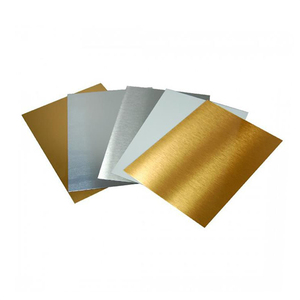
Industrial developments near Sohar Port and the Special Economic Zone at Duqm expose building fenestration to a aggressive combination of airborne marine salt and chemical industrial emissions ($\text{SO}_2, \text{NO}_x$). Here, standard window framing deteriorates within years. We mandate 5083-H116 alloy plates and 6061-T6 profile frames treated with a minimum 25-micron anodic oxidation layer (Qualanod certified) or super-durable powder coating with chromate-free conversion pretreatment.
Salalah experiences unique microclimatic shifts during the annual Khareef season—characterized by 100% relative humidity, continuous mist, dense wind-driven rain, and coastal salt deposition. Windows must incorporate multi-cavity EPDM gasket seals, high-performance weep-hole drainage channels, and 5052-H32 corrosion-shield flashing plates to prevent moisture ingress into building interiors.
The interior desert geography suffers from extreme diurnal temperature swings ($\Delta T \ge 30\text{°C}$ between day and night). Window frame extrusion profiles must accommodate significant thermal expansion and contraction without joint buckling. We utilize specialized 6063-T6 thermal break profiles engineered with sliding alignment cleats and sand-resistant brush seals that protect internal gear tracks from airborne desert dust.
As a vertically integrated metals group established in 1972, our production ecosystem controls every stage from primary billet melting to custom die sinking, profile extrusion, and surface finishing.
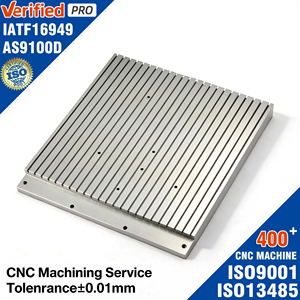
We operate a state-of-the-art CAD/CAM CNC die shop capable of designing and sinking custom extruding dies within 10 to 15 working days. Send us your DXF/STEP drawings for specialized Omani architectural sections, and our engineers will verify extrudability, web thickness, and wall tolerances.
Every cast batch undergoes optical emission spectrometry to verify chemical composition, followed by Webster hardness testing, tensile strength evaluation, and microscopic grain structure analysis. Mill test certificates (EN 10204 3.1) accompany every shipment bound for Oman.
Export shipments to Sohar and Sultan Qaboos ports are packed using high-density interleaved protective film, desiccated moisture barriers, steel-strapped wooden crates, and heavy-duty timber pallets engineered for seamless 20ft and 40ft container offloading.
Clear technical and commercial answers addressing customs regulations, standards compliance, and material performance in Oman.
Yes. All structural aluminium extrusions and sheet plates meet or exceed Gulf Conformity (GSO) standards, ISO 9001 quality management protocols, and specific MoCIIP architectural specifications. Full material test reports (MTR) are provided per shipment.
For installations within 5 km of the coast, we strongly recommend either Class 2/3 Qualicoat-certified architectural polyester powder coating (minimum 60–80 microns) with chromate-free pretreatment, or Qualanod-certified anodizing with a thickness of at least 25 microns (AA25 grade) to prevent filiform and pitting corrosion.
Standard stock profile orders are dispatched within 7–10 days. For custom extrusion dies, die sinking requires 10–15 days followed by sample approval. Maritime transit time to Port of Sohar or Port Sultan Qaboos (Muscat) typically ranges between 12 to 18 days depending on vessel scheduling.
Yes. We supply both fully knurled and crimped thermal break extrusions with pre-inserted PA66 GF25 polyamide strips, or un-assembled individual inner/outer aluminum profiles along with strip consumables based on your fabrication preferences.
Our standard MOQ for custom extruded window profiles is 500 kg to 1,000 kg per profile section per finish color. For standard sheet plates (5083, 5052, 6061), MOQ starts at 1 metric ton per specification.