EN Contact Us
Precision-extruded thermal break profiles, structural plates, anodized sheet metals, and custom CNC components tailored for local Egyptian environmental demands and import standards.
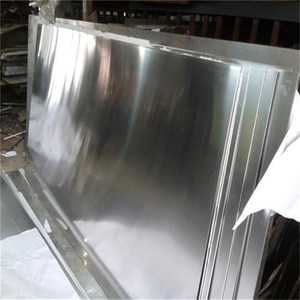
High-tensile structural plates utilized in rigid curtain wall anchors, thermal break bracketry, and facade structural reinforcements across high-rise developments in New Cairo.
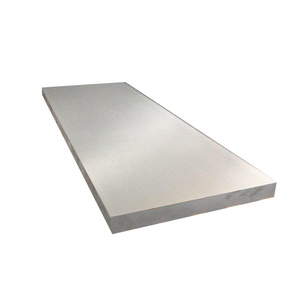
Precision saw-cut, high-yield aluminum plates engineered for structural thermal break connectors, heavy mullion stiffeners, and facade corner joints.
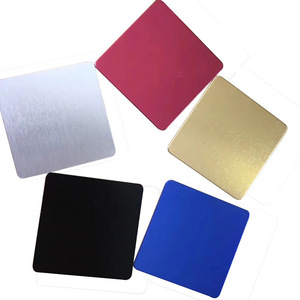
UV-stable, electro-chemically sealed anodized sheets available in Gold, Bronze, Black, and Silver for thermal break louvers and commercial facade cladding.
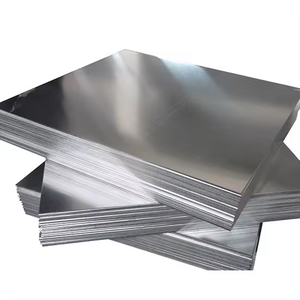
Specifically developed for Mediterranean coastal developments in Alexandria and New Alamein, offering total immunity to salt aerosol and atmospheric corrosion.
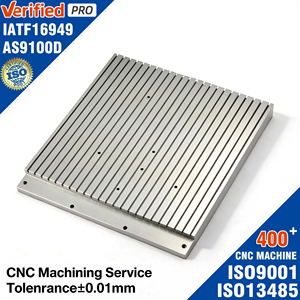
AS9100-certified multi-axis CNC milling for custom thermal break end caps, structural corner cleats, pressure plates, and custom architectural hardware.
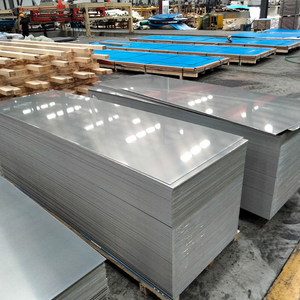
Versatile 3003, 5052, and 5083 alloy plates cut to project dimensions for curtain wall spandrel backings, acoustic insulation pans, and HVAC plenums.
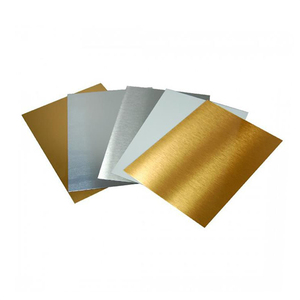
Formable 5052 alloy sheets for intricate thermal break window trim, exterior flashing, column covers, and architectural louvers in custom RAL shades.
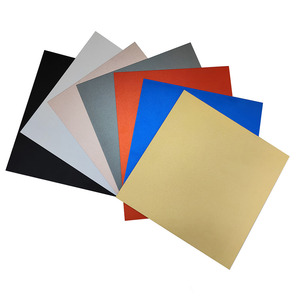
Thin-gauge (0.1mm–0.4mm) anodized aluminum coils and strips engineered for thermal break interlock seal covers, decorative glazing beads, and spacers.
As the Arab Republic of Egypt undergoes an unprecedented architectural transformation—driven by flagship national infrastructure developments such as the New Administrative Capital (NAC), New Alamein City, and vast commercial expansion across New Cairo and the 6th of October City—the performance metrics demanded from building envelopes have escalated dramatically. Contemporary Egyptian building regulations, aligned with strict EECP (Egyptian Code for Energy Efficiency in Buildings) standards and international LEED rating systems, necessitate a fundamental transition from traditional single-skin aluminum profiles to ultra-efficient Polyamide Thermal Break Aluminum Systems.
Standard aluminum alloys, while offering exceptional structural strength-to-weight ratios (tensile yield strengths exceeding 240 MPa for 6063-T6), possess a exceptionally high thermal conductivity rate of approximately 200 to 220 W/m·K. In desert climates like Greater Cairo, Aswan, and the Western Desert—where summertime ambient temperatures routinely exceed 45°C and solar irradiance levels top 1,000 W/m²—uninsulated aluminum frames act as thermal bridges. This results in massive conductive heat gain inside indoor spaces, overloading HVAC systems and increasing operational cooling costs by up to 45% annually.
A true thermal break system works by physically interrupting the continuous metal path between the exterior and interior aluminum extrusions. Our engineered systems utilize high-precision, structural-grade Polyamide PA66 reinforced with 25% glass fiber (PA66 GF25) insulation bars. The technical rationale for integrating 25% glass fiber reinforcement lies in coefficient matching: the thermal expansion coefficient of PA66 GF25 (2.8 x 10⁻⁵ /K) closely mirrors that of structural aluminum alloy 6063 (2.3 x 10⁻⁵ /K). This mechanical harmony prevents shear stress failures, debonding, or seal fatigue across extreme daily thermal cycles—where exterior surface temperatures on Egyptian dark-anodized facades shift from 15°C at night to over 75°C under direct solar radiation.
By inserting multi-chambered polyamide strips ranging from 14.8mm to 34mm in width, combined with expanded polyurethane (PUR) insulation foams inside the extrusion chambers, the overall overall frame heat transfer coefficient (Uf-value) is dramatically reduced from an uninsulated rate of 5.8 W/m²K down to a ultra-low 1.1 - 1.5 W/m²K. When paired with double- or triple-glazed Low-E argon glass units, the holistic window U-factor (Uw) effortlessly meets the threshold required for green building certifications across Egypt.
The structural efficacy and extrusion fidelity of thermal break profiles depend fundamentally on chemical composition and heat treatment. As an integrated manufacturer operating since 1972, HAQ Aluminum enforces strict spectroscopic control over primary aluminum billets, utilizing specific alloys designed for distinct structural and environmental roles in Egyptian construction:
Mechanically crimped glass-fiber reinforced thermal barriers engineered to withstand shear forces up to 80 N/mm, eliminating internal condensation and conductive energy loss.
Multi-chamber thermal break cavity designs combined with EPDM gaskets dissipate sound wave vibration, offering STC ratings ideal for busy urban thoroughfares in Cairo.
In-house chromate-free pre-treatment and super-durable architectural polyester powder coatings designed to resist 10+ years of high UV desert exposure without chalking.
Egypt exhibits distinct regional microclimates, each placing vastly different structural and chemical demands on architectural aluminum envelopes. A one-size-fits-all approach inevitably leads to premature seal failure, aesthetic dulling, or structural fatigue. Below is our engineering matrix for regional project deployment:
| Geographic Zone | Key Projects / Cities | Environmental Stressors | Recommended Alloy & Finishing System |
|---|---|---|---|
| Greater Cairo & Inland Desert | New Administrative Capital, 6th October, New Cairo | Extreme Heat (>45°C), Intense UV, Dust/Sandstorms | 6063-T6 Thermal Break, 24mm PA66 Strip, Qualicoat Class 2 Powder Coating (60-80µm). |
| Mediterranean Coastal Strip | Alexandria, New Alamein City, Port Said | High Humidity, Salt Aerosol, Wind-Driven Rain | 5083/5754 Cladding Plates, 6063-T6 Structural Frame with 25µm Architectural Anodizing. |
| Red Sea Riviera | Hurghada, Sharm El Sheikh, El Gouna | Corrosive Salt Air, High Thermal Cycles, Wind Loads | Anodized Marine-Grade 5052/6063 Aluminum with Stainless Steel 316 Accessories & EPDM Seals. |
| Upper Egypt & Agricultural Belt | Aswan, Luxor, Asyut, Delta Region | Hyper-Arid Heat, Agricultural Chemical Smog | Multi-Chamber Thermal Break Profiles, High-Emissivity PVDF Fluorocarbon Finish. |
The Egyptian construction sector is experiencing a structural pivot toward environmental sustainability. With the implementation of the Egypt Vision 2030 sustainability goals and mandatory compliance for green building certifications on state-funded megaprojects, developers can no longer afford the energy penalties associated with non-thermal windows.
Key market drivers currently shaping procurement across Egypt include:
Operating from a modern 50,000 m² manufacturing plant, HAQ Aluminum integrates every stage of the production chain under a single ISO 9001:2015 and ISO 14001:2015 quality management framework:
Precision Tooling & Die Design: Our in-house CAD/CAM tooling shop utilizes 3D simulation software to model aluminum flow through complex extrusion dies. Custom profiles for unique architectural sightlines are turned from drawing to sample approval within 10 to 15 working days.
Automated Thermal Crimping: Polyamide strips are inserted into knurled aluminum grooves using high-precision CNC rolling machines. Mechanical shear testing is performed on every batch to ensure the structural union between aluminum and polyamide meets EN 14024 standards.
Surface Treatment Superiority: We operate automated vertical and horizontal powder coating lines, alongside advanced anodizing tanks capable of producing film thicknesses up to 25 microns. All coatings undergo rigorous cross-hatch adhesion, impact resistance, and acetic acid salt spray (AASS) testing.
Clear, transparent answers covering Nafeza system compliance, shipping, customs clearances, and technical specifications for Egyptian importers and contractors.
Yes, absolutely. We are fully versed in Egyptian customs regulations. Before dispatching any shipment, we coordinate directly with your Egyptian customs broker to ensure all commercial invoices, packing lists, certificate of origin (attested by the chamber of commerce), and bill of lading carry the mandatory Advanced Cargo Information (ACID) number registered on the Nafeza platform.
For high-rise curtain walls subject to severe wind pressures in the NAC, we recommend extruded alloy 6063-T6 or 6082-T6 for mullions and transoms. Structural brackets and subframe anchor plates should utilize marine-grade 5083-H116 or 6061-T6 plates to guarantee long-term load-bearing capacity without risk of galvanic corrosion.
Our profiles utilize PA66 GF25 polyamide strips featuring a thermal expansion coefficient virtually identical to aluminum. This prevents internal stress building up between the inner and outer profile halves, even when the exterior surface reaches 75°C under direct sunlight while the interior is air-conditioned to 20°C.
We routinely ship full container loads (20ft and 40ft High Cube containers) to Sokhna Port (ideal for Cairo, NAC, and Suez projects), Alexandria Port, and El Dekheila Port. Production lead time for standard extrusion profiles is 15 to 20 days, with maritime transit to Egyptian Red Sea or Mediterranean ports typically taking 12 to 18 days.
Yes. Send us your DXF, DWG, or STEP architectural drawings. Our tooling engineers will review wall thickness, circumscribing circle diameter, and extrudability. Once approved, we manufacture the steel die, perform test extrusions, and send first-article samples for client sign-off before mass production.
All finished profiles are individually interleaved with protective PE film or non-adhesive paper tape to prevent abrasion. Bundles are wrapped in heavy-duty waterproof woven plastic, strapped with steel bands, and mounted on heat-treated ISPM-15 compliant wooden pallets or frames suitable for forklift unloading at Egyptian job sites.
With over five decades of continuous operation in metallurgical engineering, HAQ Aluminum offers an unmatched combination of manufacturing scale, technical depth, and export expertise:
Contact our international technical sales desk today for profile catalogs, die design consultations, price per ton quotes, and Nafeza-compliant export terms.