
EN Contact Us
Discover our precision-extruded thermal break profiles, architectural sheets, structural plates, and custom-machined industrial aluminum solutions tailored for Malaysian contractors and fabricators.
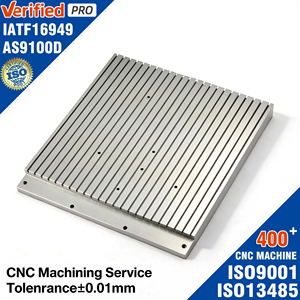
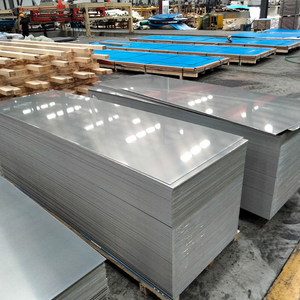
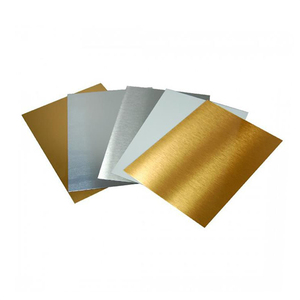
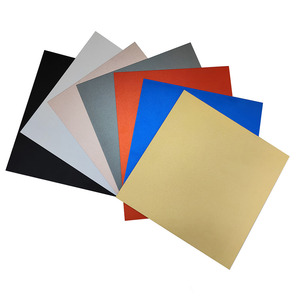
The urban architecture of Greater Kuala Lumpur—spanning the high-density financial core of TRX and KLCC to expansive residential townships in Bangsar, Mont Kiara, and Damansara Heights—presents a rigorous thermodynamic challenge. Characterized by constant high relative humidity (averaging 80% to 90% year-round), intense tropical solar irradiance, and heavy monsoon downpours, building envelopes in Malaysia demand far more than standard extruded aluminum profiles.
Traditional non-thermal break aluminum frames act as direct thermal conductors. In air-conditioned commercial and high-end residential interiors, the extreme temperature gradient between external ambient heat (32°C to 38°C) and cooled indoor environments (20°C to 22°C) causes significant conductive heat gain. This heat influx forces HVAC systems to work continuously, inflating energy consumption and triggering severe indoor surface condensation (sweating) on window frames, which leads to mold growth and wall perimeter damage.
To overcome these environmental stress factors, HAQ Aluminium manufactures advanced Thermal Break Aluminum Systems utilizing precision-engineered Polyamide PA66 GF25 (25% glass fiber reinforced) structural insulating strips. Unlike cheap pour-and-debridge polyurethane resin fillers that degrade under continuous tropical heat exposure, PA66 GF25 thermal barriers match the exact coefficient of thermal expansion of architectural aluminum alloy 6063-T6 (2.3 × 10⁻⁵ /K).
By mechanically joining inner and outer extruded aluminum profiles with this low-conductivity barrier (thermal conductivity λ ≈ 0.30 W/m·K compared to raw aluminum’s λ ≈ 200 W/m·K), our systems effectively interrupt the thermal bridge. This technical innovation reduces the Overall Thermal Transfer Value (OTTV) of building facades, assisting Malaysian architects and structural engineers in achieving full compliance with MS 1525 (Code of Practice on Energy Efficiency and Use of Renewable Energy for Non-Residential Buildings).
Engineered to satisfy stringently audited Malaysian Green Building Index (GBI) performance criteria across diverse real estate sectors.
In high-density commercial districts like TRX and KL Sentral, super-tall structural curtain walls face severe wind loads and continuous solar heat loads. Our 6063-T6 structural thermal break mullions accommodate peak structural pressures while lowering building U-values below 2.0 W/m²K.
In premium residential enclaves such as Bangsar, Bukit Tunku, and Damansara Heights, floor-to-ceiling sliding glass doors require ultra-slim sightlines combined with flawless condensation control. Our heavy-duty multi-track thermal break sliding systems deliver acoustic damping up to STC 42 dB against heavy monsoon storms.
Kuala Lumpur and surrounding Cyberjaya tech corridors house mission-critical data centers and precision electronics plants. HAQ Aluminium extrudes high-density structural heat sink profiles, thermal enclosure plates, and louvers engineered to maintain stable thermal operating environments.
Malaysia’s national commitment to achieving Net-Zero Carbon emissions by 2050 has transformed the specifications issued by leading Klang Valley property developers (including SP Setia, Sunway Property, UOA Group, and Sime Darby Property). Standard single-glazed aluminum fenestration is rapidly being phased out in favor of high-performance insulated thermal systems.
Architects targeting Platinum and Gold GBI ratings are required to minimize envelope thermal transfer. Integrating HAQ Aluminium's thermal break systems allows developers to achieve significant envelope points by keeping the building OTTV under 50 W/m². This directly translates to smaller chiller capacities and lower operational expenditures over the building's lifecycle.
Kuala Lumpur’s intense solar exposure and high humidity demand superior architectural coatings. We supply full in-house Qualicoat Class 2 Architectural Powder Coating and PVDF Fluorocarbon coatings that withstand over 3,000 hours of continuous accelerated salt-spray testing (ASTM B117) and resist color chalking under tropical UV exposure.
Comparative structural and thermal parameters of HAQ Aluminium extrusions engineered for South East Asian construction requirements.
| System / Alloy Grade | Thermal Barrier Type | Tensile Strength (MPa) | Frame U-Value Range | Primary Local Application |
|---|---|---|---|---|
| HAQ-TB6063 T6 (Architectural) | PA66 GF25 Polyamide Strip | ≥ 205 MPa | 1.8 – 2.2 W/m²K | Curtain Walls & High-Rise Windows (KLCC/TRX) |
| HAQ-TB6061 T6 (Structural) | Crimped High-Impact Barrier | ≥ 290 MPa | 2.1 – 2.5 W/m²K | Heavy Structural Glazing & Large Canopy Framings |
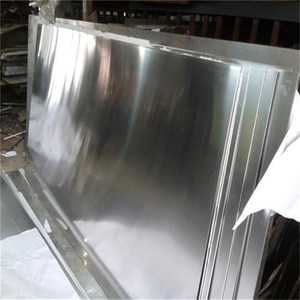
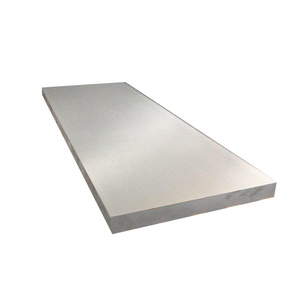
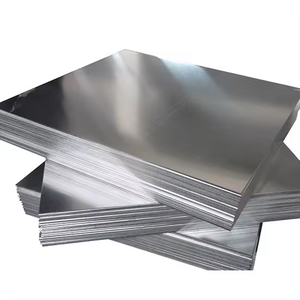
| HAQ-5083 H116 (Marine Grade) | N/A (Solid Plate/Sheet) | ≥ 305 MPa | N/A (λ=120 W/m·K) | Coastal Facade Cladding & Port Klang Marine Units |
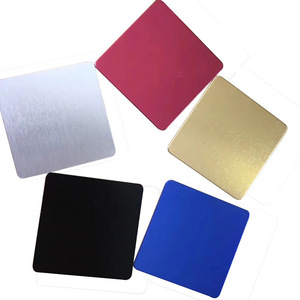
| HAQ-3003/5052 Anodized | Electrostatic Coating Layer | 170 – 215 MPa | N/A (Custom Trim) | Luxury Interior Framing & Decorative External Louvers |
With an operational legacy dating back to 1972, HAQ Aluminium combines three generations of metallurgical engineering expertise with state-of-the-art automated extrusion technology. Producing over thousands of tons of high-grade extrusions annually from our integrated production center, we manage every step of the supply chain under one certified roof.
From primary alloy billet casting, precision extrusion pressing, automated thermal barrier crimping, to in-house powder coating and anodizing lines. Eliminating third-party subcontractors ensures strict adherence to dimensional tolerances, surface quality, and batch consistency.
Our dedicated die-making division can convert CAD (DXF/STEP) architectural drawings into approved custom dies within 10 to 15 working days, allowing Malaysian developers to execute custom facade geometry without extended project delays.
Situated with direct access to major maritime shipping lanes, we offer optimized containerized packaging (interleaved film protection, heavy-duty seaworthy wooden crates, and steel strapping) ensuring pristine arrival at Port Klang (Northport/Westports).
Every shipment is backed by comprehensive Mill Test Certificates (MTC), mechanical yield reports, anodizing film thickness checks, and thermal break shear test documentation to facilitate hassle-free site submittals and authority approvals.
Direct answers to technical, commercial, and logistical queries frequently raised by Kuala Lumpur facade contractors, quantity surveyors, and importers.
Contact our technical engineering desk today for CAD profile evaluations, thermal performance calculations, material samples, and factory-direct export quotes for the Malaysian market.
Send an Inquiry