
EN Contact Us
As a premiere global OEM/ODM extrusion and aluminum plate manufacturer, we supply both custom profile dies for sliding window frameworks and high-precision raw sheet stock utilized by regional Brazilian fabrication plants. Explore our core export inventory engineered for high durability, structural rigidity, and corrosion resistance.
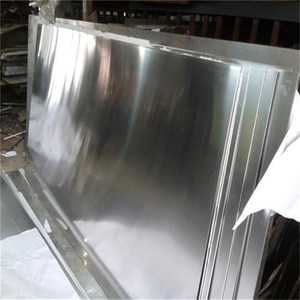
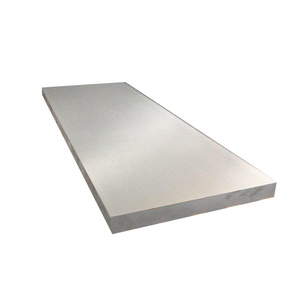
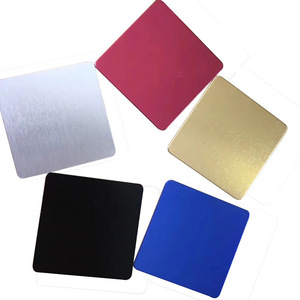
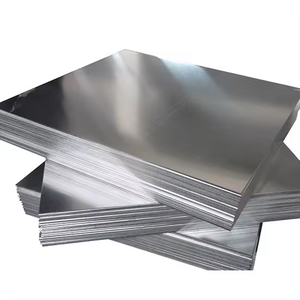
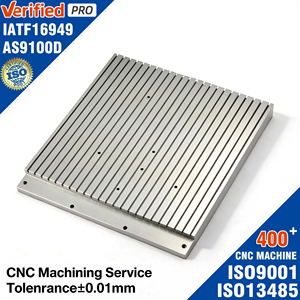
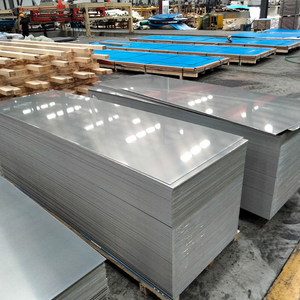
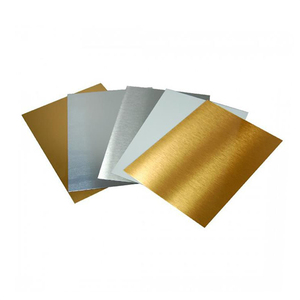
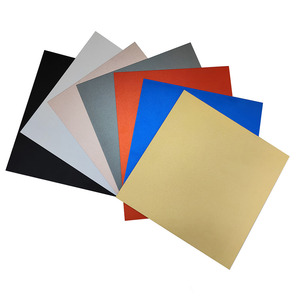
Brazil represents the largest civil construction and architectural glazing market in Latin America. Driven by urban residential high-rises in mega-cities like São Paulo, Rio de Janeiro, Curitiba, and Belo Horizonte, alongside sprawling luxury beachfront developments in Santa Catarina and Bahia, the demand for high-performance aluminum sliding window profiles has evolved rapidly. Today, local window assembly factories (esquadrias de alumínio) face dual pressures: maintaining strict compliance with national technical standards while remaining cost-competitive against rising raw material costs.
By partnering with established overseas extrusion mills offering end-to-end OEM (Original Equipment Manufacturing) and ODM (Original Design Manufacturing) capabilities, Brazilian window brands can bypass local die-sinking bottlenecks, access superior alloy tempers (such as 6063-T6 and 6061-T6), and leverage integrated coating technologies that guarantee a 20+ year exterior lifespan.
Selecting the appropriate metallurgical formulation is critical for ensuring structural integrity under high wind loads and preventing frame flex in oversized sliding patio doors.
| Alloy & Temper | Tensile Strength (MPa) | Yield Strength (MPa) | Elongation (%) | Primary Application in Sliding Windows |
|---|---|---|---|---|
| 6063-T5 | ≥ 175 | ≥ 130 | ≥ 8 | Standard residential sash frames, glazing beads, non-structural interlocking profiles. Excellent surface finish for anodizing. |
| 6063-T6 | ≥ 205 | ≥ 180 | ≥ 8 | High-rise outer frame tracks, heavy-duty sliding sashes, structural interlocking mullions subject to high wind pressure. |
| 6061-T6 | ≥ 290 | ≥ 240 | ≥ 10 | Commercial curtain wall anchors, heavy corner brackets, structural reinforcement profiles for hurricane/wind-rated zones. |
| 5052-H32 | ≥ 210 | ≥ 130 | ≥ 12 | Formed sill flashings, spandrel panels, and exterior architectural trim sheets requiring high bendability and salt-spray resistance. |
Selling or installing sliding window systems in Brazil requires mandatory compliance with the Brazilian Association of Technical Standards (ABNT - Associação Brasileira de Normas Técnicas). Specifically, ABNT NBR 10821 (Parts 1 through 5) dictates the mechanical, acoustic, thermal, and watertightness parameters for architectural windows and doors.
Profiles must sustain positive and negative wind pressure tests without permanent deformation. For Brazilian high-rises over 30 stories, profiles are engineered to withstand up to 2,500 Pa (Category 5) wind loads using internal structural stiffeners.
Sliding windows are vulnerable to rain penetration at track meeting stiles. OEM profiles utilize stepped sill tracks, cascade internal drainage chambers, and dual EPDM gasket seal channels to achieve zero water leakage during torrential tropical downpours.
The Brazilian Building Performance Standard (NBR 15575) sets minimum acoustic attenuation for urban bedrooms and living areas (Rw ≥ 25 dB to 30 dB). Our OEM sliding window profiles support double-glazed acoustic glass units (up to 24mm thickness) with multi-point locking perimeter seals.
Brazil’s continental dimensions encompass varied microclimates—ranging from humid tropical conditions in the North to temperate regions in the South and harsh marine coastal environments along the Atlantic. OEM sliding window systems must be specifically configured for these distinct operational contexts.
Operational Challenges: Severe marine salt-spray exposure, high atmospheric salinity, and gusting Atlantic wind loads on upper floors.
OEM Profile Engineering Solution:
Operational Challenges: Intense traffic noise pollution, high ambient air conditioning loads, and space-saving interior requirements.
OEM Profile Engineering Solution:
The Brazilian architectural window market is undergoing a significant transformation. Key structural trends shaping B2B procurement for local factories and real estate developers include:
Architects in São Paulo and Southern Brazil increasingly favor ultra-slim interlocking profile widths (as narrow as 18mm to 25mm visible sightline). These designs maximize natural daylight while requiring high-tensile 6063-T6 alloy formulations to maintain structural stability across floor-to-ceiling glass sashes up to 3.2 meters high.
Driven by green building certifications such as LEED Brazil and AQUA-HQE, developers are shifting away from traditional cold aluminum frames. Thermal break sliding window extrusions are seeing double-digit annual growth in commercial and high-end residential segments.
While standard anodized natural silver remains a staple, premium projects now demand specialized architectural finishes: Super Durable Matte Black, Bronze, Charcoal Grey (RAL 7016), and Wood-Grain Sublimation (Efeito Madeira) finishes that match local tropical interior aesthetics.
Importers and assemblers in Brazil navigate complex import taxes (Tarifa Externa Comum - TEC). Sourcing pre-machined, precision cut-to-length profile bundles or custom-extruded knock-down (CKD) window kits under optimized NCM codes (e.g., NCM 7610.10.00) reduces assembly labor and scrap rates in local Brazilian workshops.
With a metalworking heritage dating back to 1972, HAQ Aluminium stands as an authoritative force in metallurgical engineering, custom profile extrusion, and advanced surface treatments. Our unified manufacturing campus handles every step of production—eliminating third-party handovers, maintaining rigorous batch traceability, and protecting schedule integrity for our global B2B partners.
Our in-house toolroom turns customer DXF/STEP CAD drawings or physical profile samples into finished steel extrusion dies within 10 to 15 working days. First-article extruded samples are fully dimensionalized before mass production approval.
Operating multiple hydraulic extrusion presses equipped with automated pullers, quench systems, and computer-controlled ageing ovens. We ensure precise temper transformation (T5 to T6) with uniform Webster hardness readings across every meter.
Featuring an eco-friendly chromate-free pre-treatment line followed by electrostatic powder application. Film thickness (60–80µm), cross-hatch impact adhesion, and MEK rub resistance are verified per batch.
| Key Evaluation Factor | Direct OEM/ODM Mill Supply (HAQ Aluminium) | Regional Middlemen / Jobbers |
|---|---|---|
| Die Ownership & Customization | Exclusive die ownership. Profiles extruded exactly to your proprietary window system design. | Restricted to public standard dies with zero design differentiation. |
| Alloy Integrity & Traceability | 100% prime virgin billet with spectrographic melt lab certificates provided per shipment. | Mixed recycled scrap content leading to uneven anodizing streaking and structural variability. |
| Unit Cost Structure | Direct mill-gate pricing without middleman markups; optimized container loading yields lowest cost per kg. | Stacked distribution margins increasing unit cost by 25% to 40%. |
| Finishing Flexibility | Complete in-house choice: Anodized, Electrostatic Powder Coat (RAL shades), Wood-Grain, Thermal Break assembly. | Limited stock colors; custom finishes require expensive third-party sub-contracting. |
Below are technical and commercial responses to the questions most frequently raised by procurement directors, civil engineers, and window factory owners in Brazil.
Partner with a metallurgical leader with over 53 years of metalworking excellence. Send us your CAD drawings, sample specifications, or target bill of materials today for a confidential technical evaluation and competitive factory-direct quotation.