
EN Contact Us
High-precision aluminum alloy plates, CNC-machined loom beam sections, and custom anodized profiles direct from factory stock for immediate Bangkok dispatch.
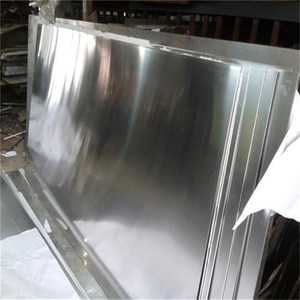
Ultra-flat structural aluminum plate engineered for precision dynamic balancing and high tension resistance in air-jet loom beam flanges.
Get a Quote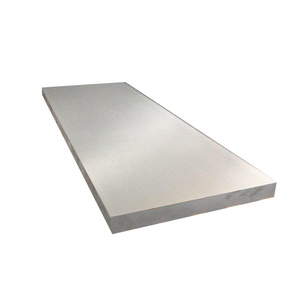
Heavy-duty extruded aluminum tubes tailored to exact beam barrel lengths, featuring minimal wall-thickness variance for high-speed weaving.
Get a Quote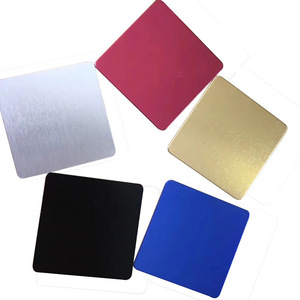
Hard-anodized surface treatment protecting loom beam surfaces against aggressive synthetic yarn friction and tropical humidity corrosion.
Get a Quote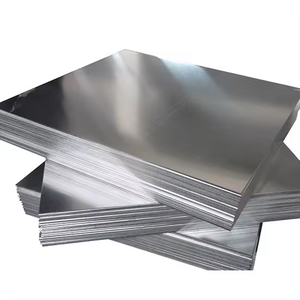
High fatigue strength aluminum plates designed for water-jet loom beam assemblies operating in high-moisture Bangkok mill environments.
Get a Quote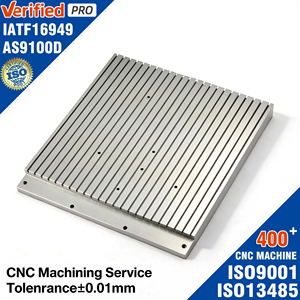
Aerospace-grade CNC turned gear splines and drive shafts ensuring zero-backlash engagement with Tsudakoma and Toyota loom drives.
Get a Quote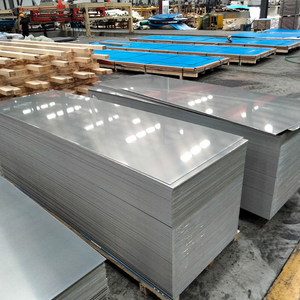
Precision waterjet and saw-cut aluminum alloy plates customized for dynamic reinforcement ribs inside large-diameter warp beam barrels.
Get a Quote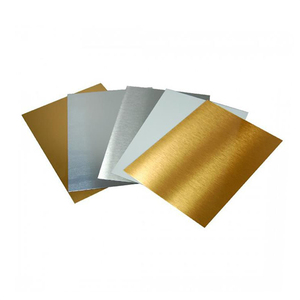
Scratch-resistant anodized aluminum alloy caps preventing yarn snagging and extending beam service life in high-speed spinning plants.
Get a Quote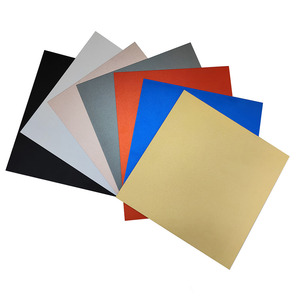
Ultra-thin gauge aluminum alloy sheets (0.1mm-0.5mm) for precision clearance calibration during loom beam flange alignment and seating.
Get a QuoteThe modern textile manufacturing landscape across the Greater Bangkok Industrial Zone—encompassing key production clusters in Samut Prakan, Pathum Thani, Samut Sakhon, and Chachoengsao—demands unprecedented mechanical performance from weaving preparation systems. As high-speed air-jet looms (such as Toyota JAT810 and Tsudakoma ZAX series) and rapier looms operate at speeds exceeding 1,000 to 1,200 PPM (Picks Per Minute), traditional cast iron or low-grade steel warp beams are no longer viable. Today’s high-density synthetic filaments, technical textiles, and fine cotton yarns exert immense radial and axial stress on warp beam barrels and flanges.
As a premier direct manufacturer and global OEM supplier specializing in high-strength aluminum extrusions and precision CNC machined components, our facility delivers Aluminum Loom Beam Sections specifically configured to withstand Thailand’s challenging tropical operational environments. By combining structural alloy optimization (6061-T6, 7075-T6, and 5083-H116) with advanced dynamic balancing and hard-coat anodizing, we provide Bangkok mill operators with zero-deflection warp beams that maximize weaving efficiency and reduce downtime.
Warp beams are subject to complex combination loading: severe crushing forces caused by thousands of tightly wound yarn ends, structural bending moments caused by high warp tension, and centrifugal dynamic imbalance forces during high-speed rotation. Selecting the correct aluminum alloy temper is paramount to prevent permanent deflection, flange spread, or catastrophic barrel buckling.
| Alloy & Temper | Tensile Strength (MPa) | Yield Strength (MPa) | Modulus of Elasticity (GPa) | Brinell Hardness (HB) | Primary Beam Application |
|---|---|---|---|---|---|
| AA 6061-T6 | 310 | 276 | 68.9 | 95 | Extruded Barrels, Cross-Ribs |
| AA 7075-T6 | 572 | 503 | 71.7 | 150 | Drive Splines, Locking Hubs |
| AA 5083-H116 | 305 | 215 | 70.3 | 85 | Water-Jet Loom Flanges |
| AA 6082-T6 | 340 | 290 | 70.0 | 100 | High-Tension Warp Beams |
Flange deflection—even as minute as 0.5 mm—causes uneven yarn tension across the width of the loom, leading to selvage defects, end-breaks, and fabric shading in high-grade woven textiles. Our engineering factory combats flange deflection through computer-modeled finite element analysis (FEA) and thick-wall rib-reinforced extrusion profiles.
Every aluminum loom beam barrel produced for our Bangkok clients undergoes double-ended precision lathe turning to guarantee concentricity and wall-thickness uniformity within ±0.02 mm. Following final machining, completed beam assemblies undergo multi-plane dynamic balancing on computerized test rigs according to ISO 1940 Grade G2.5 standards. This eradicates high-speed vibration, protecting loom bearings and drive motors from premature fatigue.
Bangkok's ambient climate exhibits high average humidity (often exceeding 80% R.H.) combined with ambient temperatures above 35°C in non-air-conditioned weaving sheds. Under these conditions, bare aluminum rapidly suffers surface oxidation, while synthetic yarn continuous sliding can cause abrasive groove wear on softer metal surfaces.
To provide lifetime protection, our aluminum loom beam sections undergo an in-house electrochemical Type III Hardcoat Anodizing (MIL-A-8625) process, creating an aluminum oxide (Al₂O₃) ceramic layer with a surface hardness ranging between 400 HV and 500 HV and a coating thickness of 25 to 50 microns. Option features include PTFE (Teflon) impregnation, which creates a ultra-smooth, low-friction surface that prevents filament snagging, reduces static electricity accumulation, and eliminates corrosion risks from sizing chemicals.
Why textile mills, machine builders, and weaving plants across Thailand trust our direct-factory supply model.
Engineered to exact OEM specifications for Toyota, Tsudakoma, Picanol, Sulzer, Dornier, and Nissan high-speed air-jet and water-jet weaving looms.
Custom extrusion die sinking capability from CAD/STEP drawings within 10–15 working days, allowing fast prototyping of proprietary loom profiles.
Rigorous quality management covering 100% ultrasound crack detection, alloy spectro-analysis, dynamic balance testing, and wall-thickness verification.
Optimized ocean freight container packing and express air-freight channels delivering direct to Laem Chabang Port and Bangkok Port (Klong Toey).
Technical and procurement answers for Bangkok textile engineers, factory managers, and purchasing teams.
Our loom beam flanges are forged and CNC machined from high-density 5083 and 6061-T6 aluminum alloys featuring computer-optimized internal stress-relieving geometry. By calculating yarn-winding lateral thrust forces through FEA software, we maintain flange structural deflection below 0.2 mm even under maximum warp loads of 8,000 kg, preventing selvage unevenness and beam collapse.
Yes. In addition to standard OEM dimensions (such as 800mm, 1000mm, and 1250mm flange diameters), our engineering facility offers full custom CNC turning and extrusion die customization. Provide your shaft diameter, keyway dimensions, barrel length, or physical sample, and our technical desk will generate approval drawings within 24 hours.
Standard profile orders from existing die stock ship within 7–12 days. For custom die extrusions, tool manufacturing requires 10–15 days followed by immediate sample dispatch. Freight transit time to Bangkok Port (Klong Toey) or Laem Chabang Port averages 10 to 14 days, with urgent replacement components shipped via direct air cargo in 3–5 days.
Water-jet looms expose warp beams to constant moisture, humidity, and sizing chemicals that induce rapid galvanic corrosion on untreated metals. Our Type III Hardcoat Anodizing deposits a dense 35+ micron protective oxide layer that seals aluminum pores, offering over 2,000 hours of salt spray corrosion resistance (ASTM B117) and preventing rust contamination on sensitive fabrics.
Absolutely. High-speed rotation on air-jet looms (up to 1200 RPM) amplifies tiny weight imbalances into destructive machine vibrations. Every complete loom beam section undergoes multi-plane dynamic balance testing to ISO 1940 Grade G2.5. Balance certificate test sheets are provided with every export container shipment.
For standard aluminum loom beam tubing and stock plate profiles, MOQ starts as low as 500 kg. For specialized custom extrusion dies, MOQ is typically 1,000 kg per section, with initial sample production provided prior to full batch production.
Rooted in a family metals industrial lineage operating since 1972, our aluminum extrusion and manufacturing enterprise combines traditional metallurgical discipline with state-of-the-art aerospace-grade CNC machining technology. Operating multi-thousand-ton extrusion presses, automated horizontal anodizing lines, and precision dynamic balance testing laboratories, we maintain total control over every stage of manufacturing.
For procurement directors and chief engineers across Bangkok's textile sector, sourcing directly from our manufacturing base eliminates broker markups, guarantees material alloy authenticity through certified mill test reports (MTRs), and secures dedicated engineering support from drawing submission through to loom installation.