
EN Contact Us
Direct mill-to-site structural channels, sheets, and extruded sections certified to ASTM and AS9100 standards for San Francisco contractors and OEM fabricators.
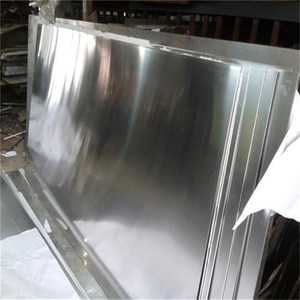
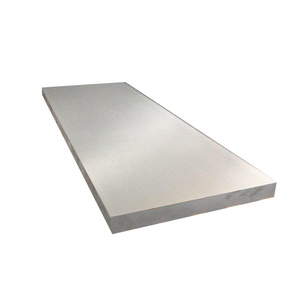
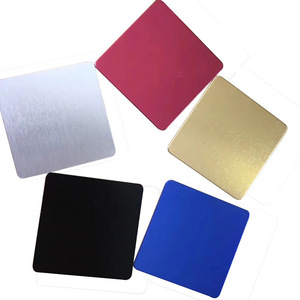
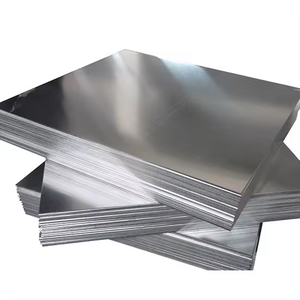
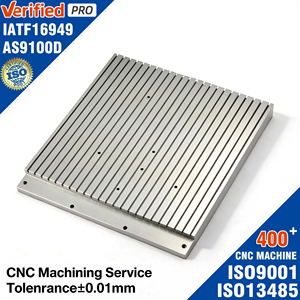
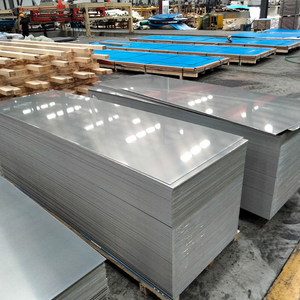
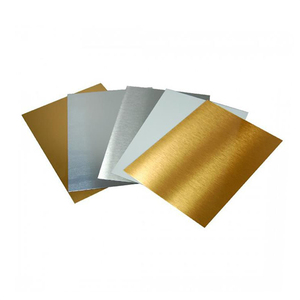
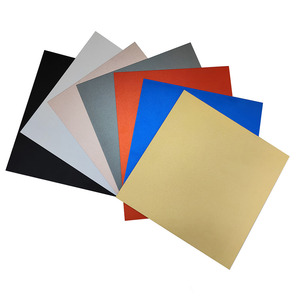
Tailored structural and architectural extrusion engineering matching the Bay Area's rigorous seismic requirements, salt air atmosphere, and Title 24 green building mandates.
San Francisco’s stringent building codes demand curtain wall profiles that absorb high lateral drift forces during seismic events. Our 6061-T6 and 6063-T6 structural C-channels and glazing U-channels provide the precise yield strength and elastic deformation resilience necessary for high-rise commercial towers along Market Street, SoMa, and the Financial District.
Structures located near the Embarcadero, Ocean Beach, Port of Oakland, and South San Francisco face constant marine salt spray (ASTM B117 exposure). We supply marine-grade 5083-H116, 5086, and Class I Anodized (20+ micron) 6063-T5 U-channels that prevent pitting, filiform corrosion, and material degradation over decades of sea air contact.
Silicon Valley and Peninsula technology campuses demand clean aesthetic aesthetics paired with modular reconfigurability. Our precision CNC-machined thin-wall architectural channels, satin anodized black/silver trims, and structural rack channels support data center containment systems, office glass partitions, and acoustics baffles.
How evolving California energy standards and sustainable architectural methodologies drive aluminum extrusion specifications.
California's Title 24 Energy Code sets the strictest building envelope thermal performance metrics in North America. Traditional solid aluminum extrusions suffer from thermal bridging. Modern Bay Area commercial projects increasingly mandate thermal break aluminum channel assemblies—incorporating high-density polyamide insulation struts crimped between inner and outer channel sections. This engineering cuts frame heat conduction by up to 60%, preventing interior condensation during foggy Bay Area winters and drastically reducing HVAC energy consumption.
To combat high urban labor costs in San Francisco, general contractors are shifting toward modular off-site prefabrication. Lightweight structural aluminum C-channels and slot-interlocking profiles allow complete curtain wall panels, solar canopy skids, and interior wall cassettes to be built in off-site yards and craned quickly onto city sites. The high strength-to-weight ratio of 6061-T6 alloy channels minimizes dead loads on foundations while expediting construction schedules.
Comprehensive engineering comparison for San Francisco structural engineers, specifiers, and procurement officers.
| Alloy & Temper | Tensile Strength (MPa) | Yield Strength (MPa) | Corrosion Rating (Marine) | Primary Bay Area Application |
|---|---|---|---|---|
| 6061-T6 | 310 MPa (45 ksi) | 276 MPa (40 ksi) | Very Good | Structural framing, seismic bracing, bridge walkways, truck beds |
| 6063-T5 / T6 | 220 MPa (32 ksi) | 190 MPa (28 ksi) | Excellent | Architectural glass channels, storefronts, door tracks, trim reveals |
| 5083-H116 | 345 MPa (50 ksi) | 240 MPa (35 ksi) | Superior (Marine Grade) | Waterfront docks, Embarcadero structural channels, vessel sub-framing |
| 5052-H32 | 230 MPa (33 ksi) | 195 MPa (28 ksi) | Superior (Formable) | Custom bent sheet channels, equipment enclosures, HVAC framing |
| 6082-T6 | 340 MPa (49 ksi) | 290 MPa (42 ksi) | Very Good | High-load structural trusses, solar panel support channels, heavy cranes |
Leveraging over five decades of metallurgical excellence, direct container shipping to the Port of Oakland, and full-spectrum manufacturing capabilities.
Evolving from a family metals trading & steel forging establishment founded in 1972, our aluminum extrusion division operates with deep, hands-on understanding of billet homogenization, press speed curves, artificial aging cycles, and alloy chemistry. We don't just supply metal; we guarantee structural integrity.
Need a custom aluminum channel drawing extruded for an OEM project? Our engineering team turns DXF/STEP CAD files into functional extrusion dies in just 10–15 working days. First-article samples are fully dimensioned and tested prior to mass production runs, saving thousands in jobsite delays.
We maintain full control over surface finishing via our automated chromate-free pre-treatment, anodizing tanks, and architectural powder coating line. Whether specifying RAL colors for tech headquarters or anodized finishes for coastal storefronts, film thickness and cross-hatch adhesion are batch-verified.
Essential technical and logistical insights for general contractors, structural engineers, and sourcing directors.
Our extruded aluminum channels and structural shapes comply strictly with ASTM B221 (Standard Specification for Aluminum and Aluminum-Alloy Extruded Bars, Rods, Wire, Profiles, and Tubes) and ASTM B209 for sheet/plate channels. Mill Test Reports (MTRs) detailing chemical analysis and mechanical tensile testing accompany every shipment.
We package material in ocean-export grade bundles with interleaved protective polyethylene film, water-resistant kraft wrap, heavy-duty steel strapping, and wooden skid bases. Containers ship directly to the Port of Oakland or Port of Long Beach, where local freight dispatchers deliver directly to your jobsite in SF, San Jose, or East Bay.
For structural strength supporting glass balustrades, 6061-T6 with a Class I Anodized finish (0.7 mil / 18+ microns) or AAMA 2605 fluoropolymer powder coat is recommended. For ultimate corrosion resistance directly on waterfront piers, marine-grade 5083-H116 machined channel sections offer unmatched durability against salt pitting.
Yes. Our in-house CNC machining vertical centers allow us to extrude, cut-to-length, slot, punch, tap, and deburr aluminum channels according to your exact structural assembly drawings, drastically cutting on-site field fabrication labor cost in California.
Standard profile channels kept in stock have low MOQ requirements. For custom-designed extruded channel dies, typical MOQs range from 500 kg to 1,000 kg depending on section circumscribing circle and wall thickness. Die costs are highly competitive and can be credited back upon volume benchmarks.
Yes. Our thermal break channel assemblies utilize high-performance polyamide (PA66 GF25) pressure-crimped thermal barriers. When integrated into curtain wall, storefront, and window framing systems, they assist architects in achieving required U-factors and Solar Heat Gain Coefficients (SHGC) for Title 24 compliance.
Connect directly with our engineering desk for drawing reviews, alloy consultations, custom die quotes, and port delivery schedules.
Get a Quote