
EN Contact Us
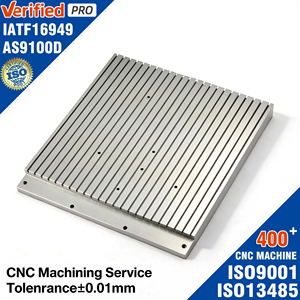
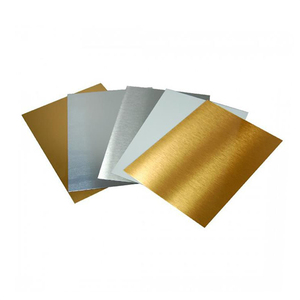
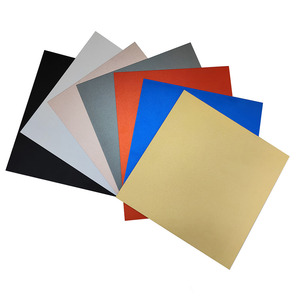
Explore our export-grade architectural thermal break profiles, marine-grade plates, custom anodized finishes, and AS9100 CNC precision-machined aluminum components.
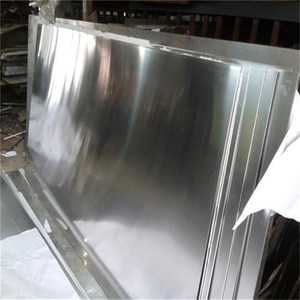
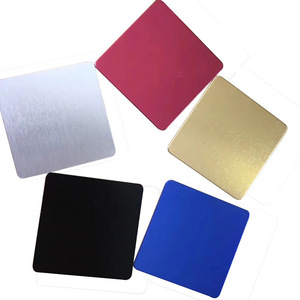
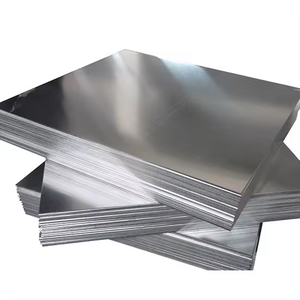
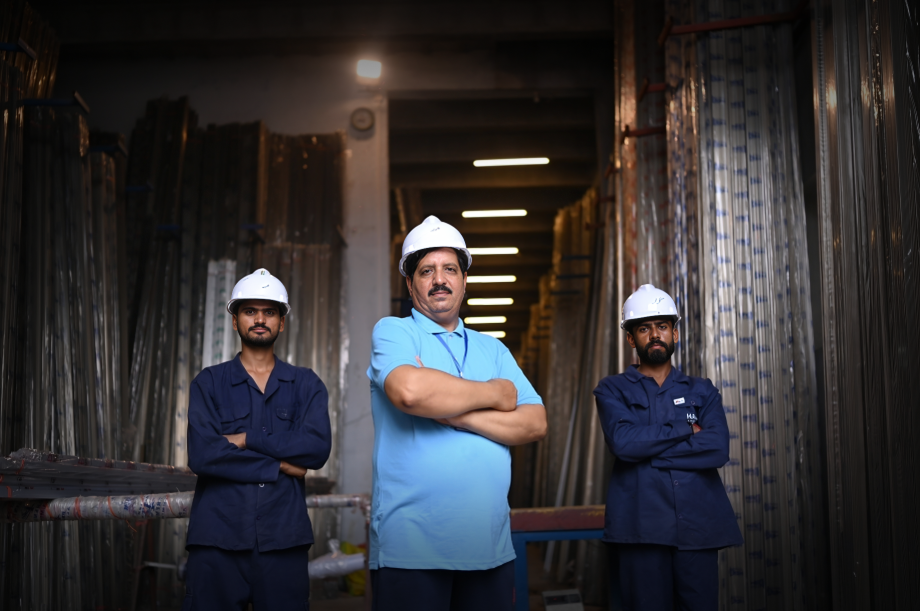
Founded on over five decades of metallurgical mastery, HAQ Aluminium stands as a premier global manufacturer and exporter specializing in high-performance thermal break systems, architectural extrusions, and heavy industrial aluminum alloys. Operating from a state-of-the-art facility in Lahore, Pakistan, our fully integrated plant unifies billet casting, extrusion pressing, polyamide thermal strip assembly, chromate-free surface finishing, and AS9100-certified CNC machining under one rigid Quality Management System.
Unlike third-party assembly vendors, our complete control over alloy chemistry, extrusion die dynamics, and mechanical thermal crimping guarantees exceptional structural shear strength, tight dimensional tolerances, and ultra-low thermal transmittance ($U_f$) for zero-energy modern architecture.
A comprehensive technical analysis of thermodynamic heat transfer reduction, mechanical shear resistance, and structural assembly in modern curtain walls and glazing.
Aluminum possesses high thermal conductivity ($\approx 200 \text{ W/m}\cdot\text{K}$). Our thermal break systems physically isolate interior and exterior aluminum chambers using 25% glass-fiber reinforced polyamide strips (PA66 GF25). PA66 GF25 exhibits a thermal conductivity of only $0.3 \text{ W/m}\cdot\text{K}$, creating an impenetrable thermal barrier while matching aluminum's coefficient of thermal expansion to prevent delamination across extreme temperatures (-40°C to +80°C).
To meet stringent European EnEV and US ASHRAE 90.1 energy codes, our modern profiles incorporate multi-cavity insulation zones. By combining PA66 strips with low-emissivity foam insulation inserts (XPS/PE insulation rods) within the extruded chambers, frame thermal transmittance ($U_f$) is reduced down to $1.0 - 1.4 \text{ W/m}^2\cdot\text{K}$, effectively eliminating interior frame condensation in humid or chilled climates.
Structural integrity is paramount in high-rise curtain walls subjected to severe negative wind pressure loads. Our manufacturing process enforces rigorous Quality Control in accordance with EN 14024. Every production batch undergoes transverse tensile shear testing ($Q \ge 24 \text{ N/mm}$) and longitudinal shear strength verification before receiving factory export release certification.
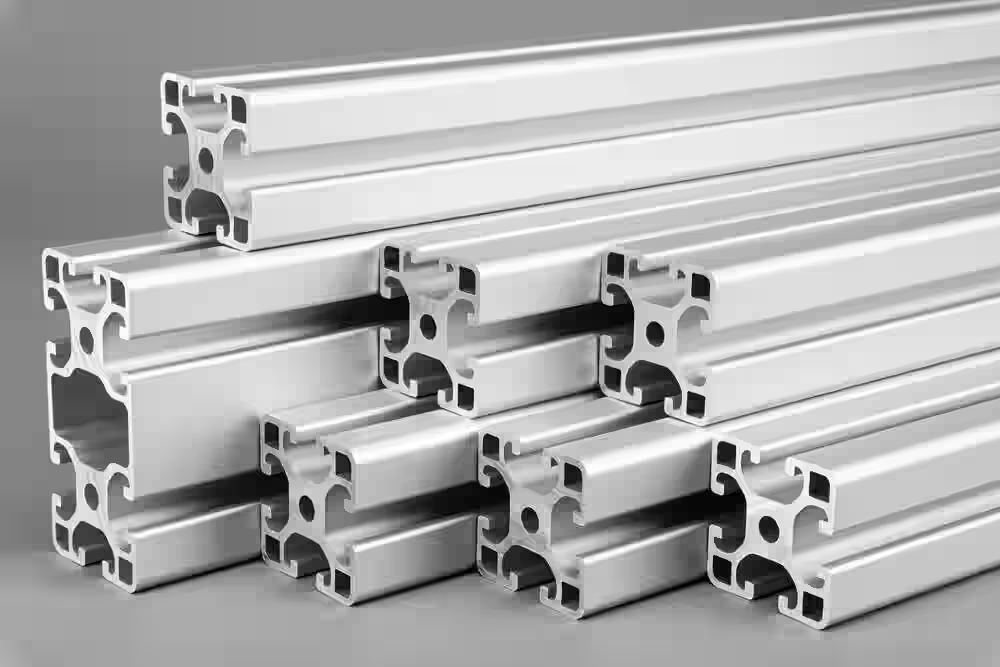
Commercial architectural projects demand customized extrusions that accommodate specialized hardware, unitized curtain wall anchors, and unique glass unit thicknesses (ranging from double-glazed 24mm to acoustic triple-glazed 44mm DGU/TGU units). Our in-house die tooling department converts client DXF/STEP CAD files into functional steel dies within 10 to 15 working days.
Our metallurgy engineers review every section design for optimal circumscribing circle ratio, press tonnage requirements, wall thickness uniformity, and grain alignment. First-article samples are fully inspected for dimensional compliance and mechanical properties before full-scale container production begins.
Key technological shifts and regulatory imperatives shaping global procurement strategies for architects, facade contractors, and structural engineers over the next decade.
With the European Union's Carbon Border Adjustment Mechanism (CBAM) and strict Scope 3 emissions reporting, global buyers are prioritizing extrusions produced from low-carbon, recycled billet (utilizing scrap re-melting and renewable hydro/solar power). Future-proof suppliers must supply verified Environmental Product Declarations (EPD) and material origin certification.
Standard 14.8mm thermal strips are rapidly being replaced in cold and desert regions by ultra-wide polyamide struts (24mm, 32mm, and up to 54mm multi-chamber strips). This shift enables thermal break windows to achieve passive house standards ($U_w \le 0.8 \text{ W/m}^2\cdot\text{K}$) without compromising frame structural rigidity.
High labor costs at construction job sites are driving demand for pre-machined thermal break profiles. Global importers increasingly contract thermal break factories to perform precision mitering, corner key punching, drainage slotting, and hardware lock-pocket CNC milling directly on the factory floor prior to ocean export bundling.
Thermal break extrusions operating in harsh marine or industrial environments face dual threats: thermal fatigue and surface oxidation. Industry development is rapidly advancing toward eco-conscious, hyper-durable surface finishes that maintain color fidelity and film adhesion for decades.
At HAQ Aluminium, our finishing infrastructure incorporates advanced electrostatic powder coating conforming to QUALICOAT Class 2 standards and architectural anodizing conforming to QUALANOD specifications (15–25 microns). By eliminating chromate pretreatments in favor of zirconium-based environmentally neutral pretreatments, our profiles exceed 1,000 hours of continuous acetic acid salt spray testing (AASS ASTM B117).
Furthermore, wood-grain sublimation technology allows architects to combine the natural aesthetic warmth of timber with the fireproof structural durability and thermal performance of insulated aluminum profiles.

Direct answers from our engineering and export compliance team addressing critical technical and commercial procurement considerations.
Request comprehensive profile CAD drawings, technical data sheets, alloy mill test certificates, and factory-direct wholesale pricing for your upcoming architectural or industrial project.
Get Catalog