EN Contact Us
Supplying precision-extruded posts, balusters, structural base channels, and corrosion-resistant alloy sheets tailored for architectural engineering and industrial fabrications.
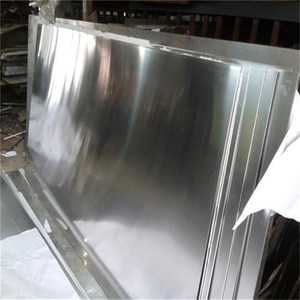
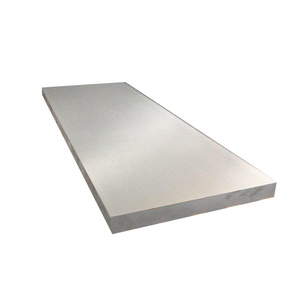
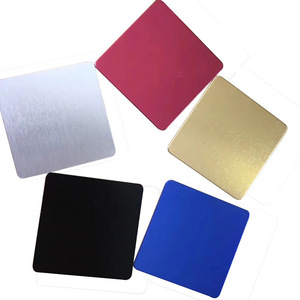
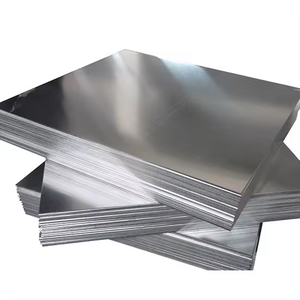
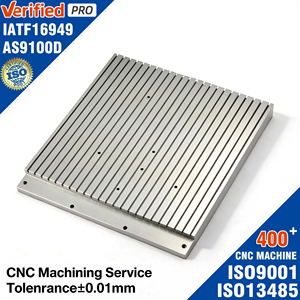
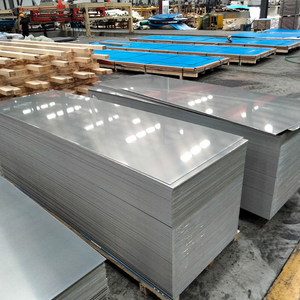
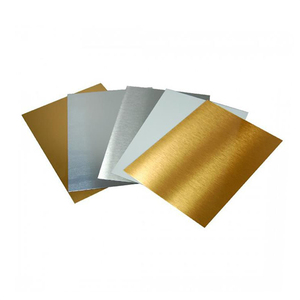
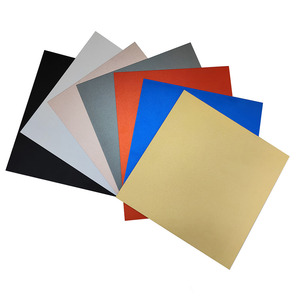
In modern commercial construction and infrastructure design, aluminum railing systems have rapidly superseded legacy carbon steel and timber balustrades. Modern multi-story residential towers, commercial plazas, municipal elevated walkways, and coastal hospitality resorts demand building envelope components that offer high strength-to-weight ratios, absolute maintenance-free operation, and verified structural compliance against lateral wind pressures and concentrated live loads.
As a Tier-1 OEM factory and global supplier backed by over 53 years of enterprise metallurgical experience, our facility produces structural aluminum railing systems, glass U-channel bases, post balustrades, handrail tubes, and heavy-gauge mounting hardware. Sourcing structural aluminum extrusions requires rigorous scrutiny of billet purity, alloy temper consistency, microstructural grain orientation, and chemical coating adhesion.
Choosing the correct aluminum alloy directly dictates compliance with international building regulations, including International Building Code (IBC 2024), International Residential Code (IRC), and European Eurocode 9 (EN 1999-1-1). Below is our certified laboratory material specification guide:
| Alloy Grade | Temper State | Tensile Strength (MPa) | Yield Strength (MPa) | Corrosion Rating | Primary Architectural Application |
|---|---|---|---|---|---|
| 6063 Aluminum | T5 / T6 | 200 – 245 MPa | 165 – 210 MPa | Excellent | Extruded Glass Shoe Channels, Infill Balusters, Top Handrails |
| 6061 Aluminum | T6 | 290 – 310 MPa | 240 – 275 MPa | Superior | Heavy Structural Posts, High-Rise Wind-Load Brackets, CNC Base Plates |
| 6082 Aluminum | T6 | 310 – 340 MPa | 260 – 290 MPa | Superior | Municipal Railings, Stadium Guardrails, High-Traffic Public Bridges |
| 5083 Marine Metal | H116 / H321 | 305 – 380 MPa | 215 – 280 MPa | Extreme Marine | Coastal Pier Balustrades, Offshore Decks, Salt-Spray Environment Plates |
Every extrusion run from our facility undergoes strict optical emission spectrometry (OES) chemical analysis before billet homogenization, ensuring zero tramp element contamination. This meticulous metallurgical control prevents intergranular corrosion and stress-corrosion cracking (SCC) across the 25+ year operational lifespan of installed railing systems.
By consolidating billet smelting, multi-press extrusion, automatic ageing, mechanical CNC processing, and surface finishing under one roof, we eliminate third-party job shop variations.
Our engineering center maintains over 3,000 standard railing matrix dies and provides expedited 10–15 day custom die sinking for OEM profiles. Key operational capabilities include:
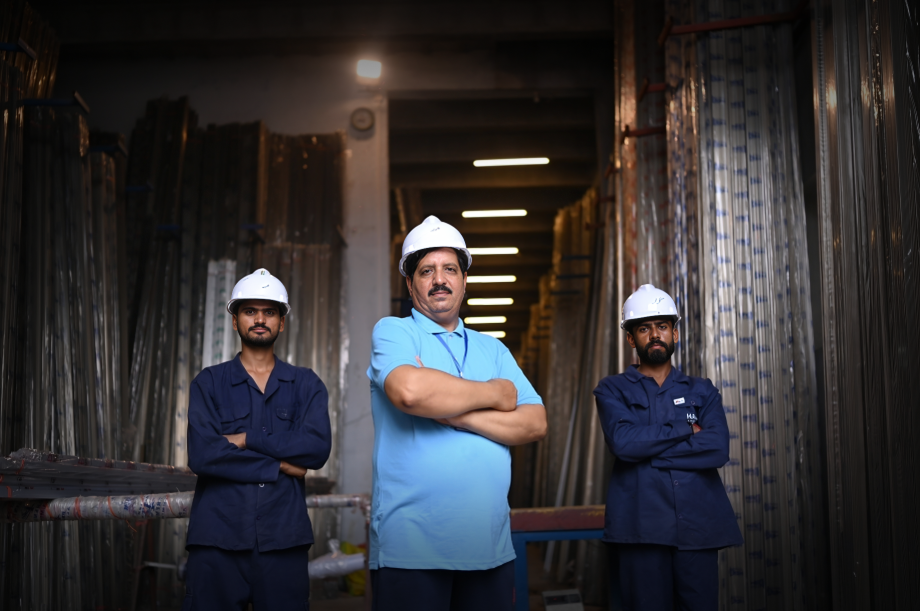
Railing assemblies are verified using hydraulic ram load cells for concentrated 200 lb (0.89kN) point loads and 50 lb/ft (0.73kN/m) continuous uniform linear loads.
Our structural design team delivers pre-production CAD/STEP models and FEA stress distribution reports to support architectural sign-offs.
Anodized coatings (AA-M10C22A41, 25µm) and Fluoropolymer PVDF finishes engineered to withstand extreme coastal salt fog, UV exposure, and thermal cycling.
Rising jobsite labor costs across North America, Western Europe, and Australia have transformed global procurement priorities. Construction management firms are moving away from raw stock lengths that require extensive field cutting, welding, and grinding. Procurement specifications increasingly favor pre-engineered, modular aluminum railing kits that feature CNC-drilled mounting holes, concealed internal splice locks, and pre-fitted EPDM rubber gaskets for glass clamping.
By delivering pre-machined KD kits packaged in sequential bundle lots, global contractors report a 40% reduction in installation time, zero jobsite noise pollution, and complete elimination of airborne toxic dust associated with field grinding coated metals.
Environmental building standards such as LEED v4.1, BREEAM, and DGNB now require environmental product declarations (EPD) covering embodied carbon in structural metals. Aluminum railing manufacturing is undergoing a major transition toward circular metallurgical loops. By blending high-purity primary aluminum with closed-loop internally recycled scrap (reducing energy usage by 95% compared to primary smelting), our plant supplies architectural profiles with documented low carbon footprints without sacrificing mechanical yield properties.
Modern architectural developments increasingly incorporate functional accessories within handrails. Extruded aluminum top rails now frequently feature integrated LED channel slots with diffusors to provide low-voltage directional illumination along stairways and balconies, satisfying emergency egress codes without extra light fixtures.
Wet-glazed glass railings relying on structural cement or messy pourable polyurethane grouts are being replaced by dry-glazing aluminum base shoe profiles. Advanced aluminum U-channel shoe profiles utilize mechanical wedge-lock systems, allowing rapid single-side adjustment and alignment of heavy 12mm–21.52mm tempered laminated glass panels.
With the implementation of the European Union’s Carbon Border Adjustment Mechanism (CBAM) and shifting tariff structures across North America, procurement heads are diversifying away from single-source manufacturing countries. Utilizing our established export hub in South Asia, international developers secure tariff-optimized, fully compliant aluminum railing profiles backed by complete mill test certificates (MTC according to EN 10204 3.1).
To keep pace with bold architectural concepts, aluminum railing manufacturing relies heavily on advanced material science. Modern finishing technologies ensure structural components maintain their physical appearance and mechanical integrity under harsh climatic conditions.
Advanced vacuum sublimation transfers high-resolution timber textures into a durable polyurethane powder coat. Offers the warm aesthetic of natural wood combined with the structural strength, fire rating (A1 non-combustible), and zero rot of extruded aluminum.
Utilizing high-durability FEVE and PVDF powder formulations designed for extreme radiation environments. Engineered to maintain color retention and gloss levels for over 20 years without chalking or flaking.
Electrolytic oxidation forms an aluminum oxide layer exceeding 25 microns (0.001"). Provides surface hardness exceeding glass (Rockwell 60C), ideally suited for high-abrasion handrails in public transit networks.
Traced back to our parent metals group established in 1972, our company's journey spans over five decades of heavy industrial metal processing, including iron trading, steel rolling, structural engineering, and high-precision aluminum extrusion.
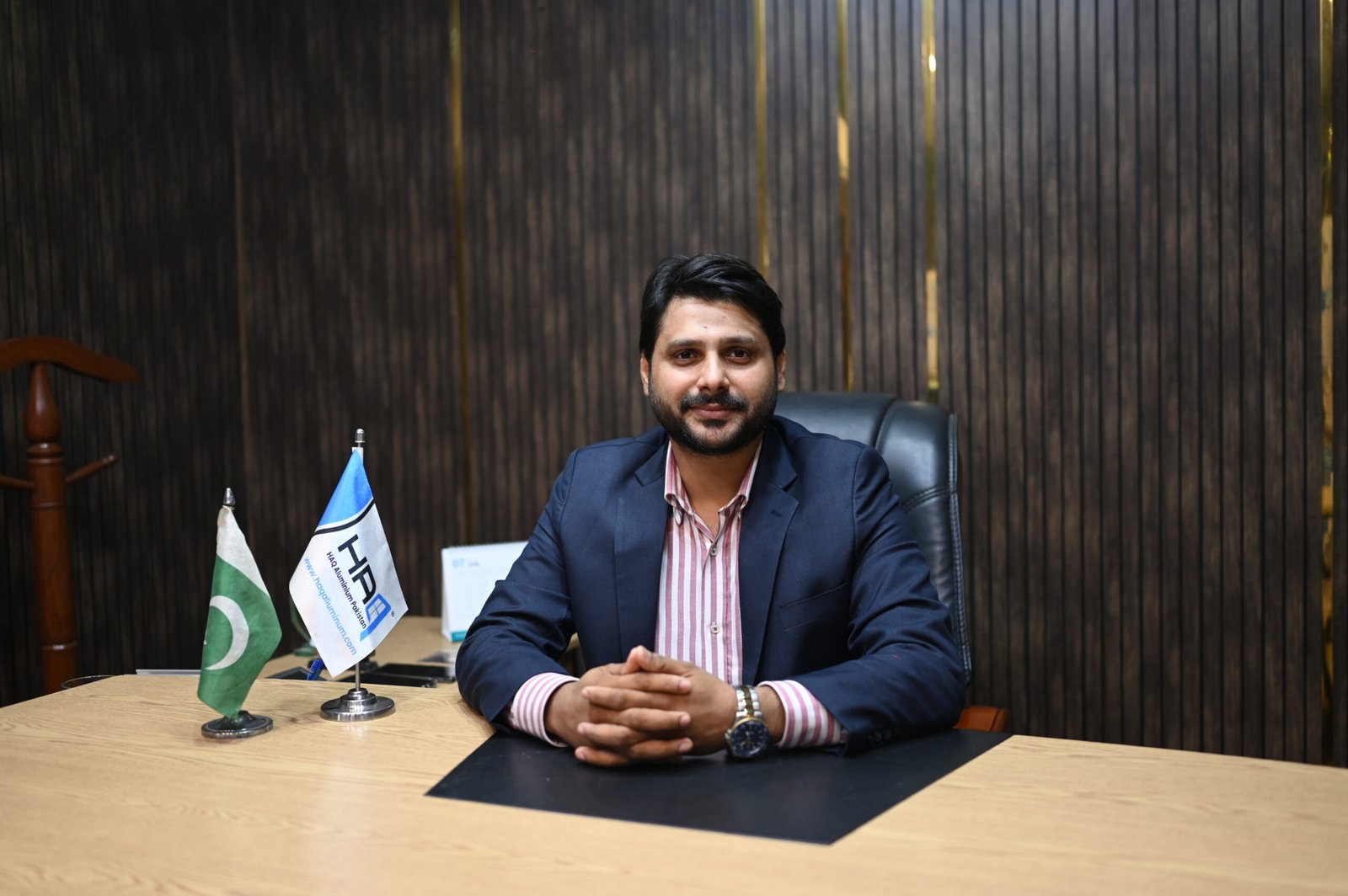
“Quality in structural metals is not a marketing claim; it is a repeatable engineering discipline. We treat every railing extrusion as a structural safety barrier that must perform reliably for decades. That means honest wall thicknesses, uncompromised alloy chemistry, durable finishes, and strict dimensional tolerances.”
— Hassan Ehsan Haq, Chief Executive Officer
Whether you require standard 6063-T5 baluster extrusions, custom structural glass base shoes, or precision 5-axis CNC machined post hardware, our engineering desk manages the entire process:
CAD drawing validation, extrudability checks, circumscribing circle analysis, and wind load safety factor verifications.
10–15 day die production with first-article sample testing, dimension checking, and full material test report (MTC).
Interleaved protective film, shrink-wrapping, corner guards, and heavy-duty steel-frame wooden crates tailored for 20ft/40ft container loading.
Clear, technical answers to common procurement, engineering, and export logistics queries.
Submit your project drawings (DXF/DWG/STEP), required alloy specs, and estimated linear meter quantities. Our engineering desk will deliver a comprehensive proposal within 24 hours.