EN Contact Us
Direct mill supply covering architectural, marine, aerospace, and heavy industrial applications. Complete batch traceability and global export compliance.
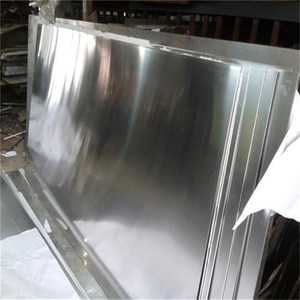
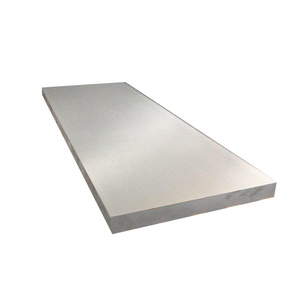
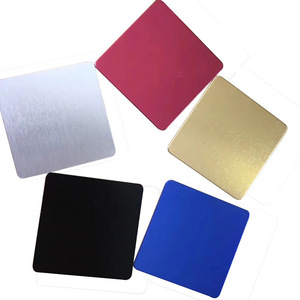
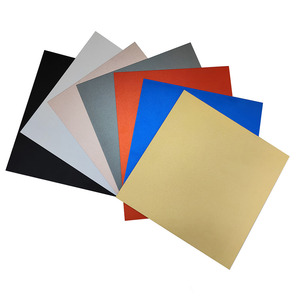
Selecting the optimal aluminum pipe alloy requires matching yield strength, corrosion resistance, thermal conductivity, and weldability to exact mechanical requirements.
When engineering fluid dynamics, pneumatic systems, or load-bearing frameworks, choosing between seamless extruded aluminum pipe and structural die-bridged tubing dictates maximum pressure limits and stress distribution.
Seamless pipes are extruded over a mandrell through a solid billet, eliminating longitudinal weld seams. This guarantees uniform hoop stress capacity under high hydrostatic pressure—making 6061-T6 and 5083-H116 seamless pipes mandatory for marine hydraulic systems, high-pressure gas cylinders, and aerospace pressure lines.
Conversely, structural tubing extruded via port-hole or bridge dies provides exceptional dimensional consistency and lower manufacturing costs for architectural framing, solar mounting systems, and heat sinks.
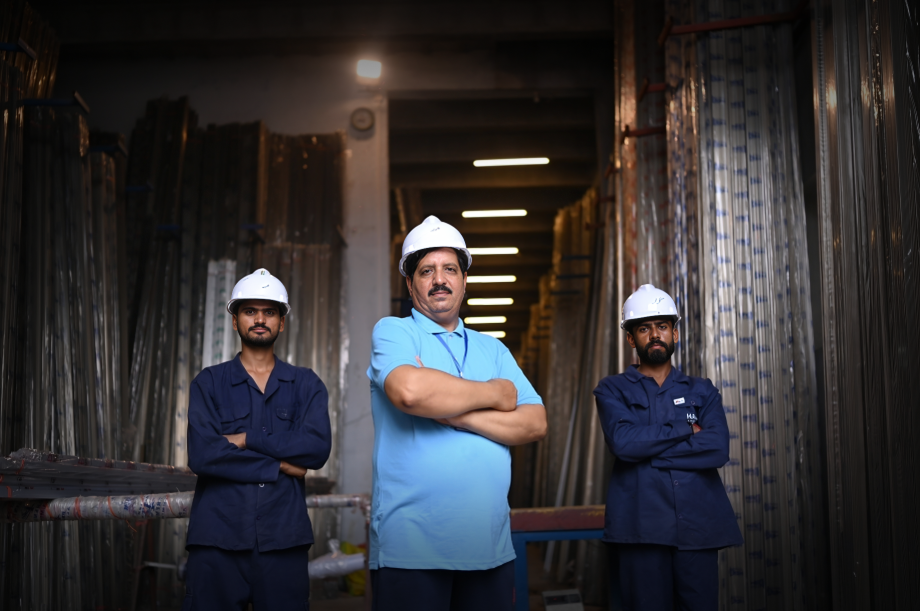
| Alloy Grade | Standard Temper | Tensile Strength (MPa) | Yield Strength (MPa) | Corrosion Resistance | Primary Industrial Application |
|---|---|---|---|---|---|
| 6061 | T6 / T651 | ≥ 310 | ≥ 276 | High (Atmospheric) | Structural Frameworks, Heavy Machinery, Automotive Driveshafts |
| 5083 | H116 / H321 | 305 - 385 | ≥ 215 | Superior (Marine/Saltwater) | Shipbuilding Hull Piping, Cryogenic Vessels, Offshore Rigs |
| 6082 | T6 | ≥ 340 | ≥ 290 | High | Structural Trusses, High-Stress Bridges, Crane Booms |
| 7075 | T6 / T6511 | ≥ 570 | ≥ 500 | Moderate | Aerospace Hydraulics, Defense Components, High-Stress Pins |
| 3003 | H14 / H112 | 140 - 190 | ≥ 115 | Excellent (Chemical) | HVAC Condenser Coils, Heat Exchangers, Chemical Piping |
| 5754 | H22 / H111 | 220 - 270 | ≥ 130 | Superior (Marine) | Oil & Gas Piping, Welded Pressure Vessels, Chemical Tanks |
Combining 50+ years of heavy metal engineering heritage with state-of-the-art CNC machining, die building, and chemical surface treating under one roof.
Our rapid-prototyping toolshop delivers custom CAD/DXF die designs within 10 to 15 working days. Strict dimensional tolerances compliant with EN 755-9 and ASTM B221 standards ensure flawless profile symmetry.
Every batch of aluminum piping undergoes spectrographic alloy chemistry verification, Eddy Current non-destructive flaw testing, hydrostatic burst pressure checks, and hard-coat anodizing thickness measurement.
Equipped with chromate-free pre-treatment, architectural electrostatic powder coating (Qualicoat Class 2), hard anodizing (up to 25 microns), and custom wood-grain sublimation for extreme environmental exposure.
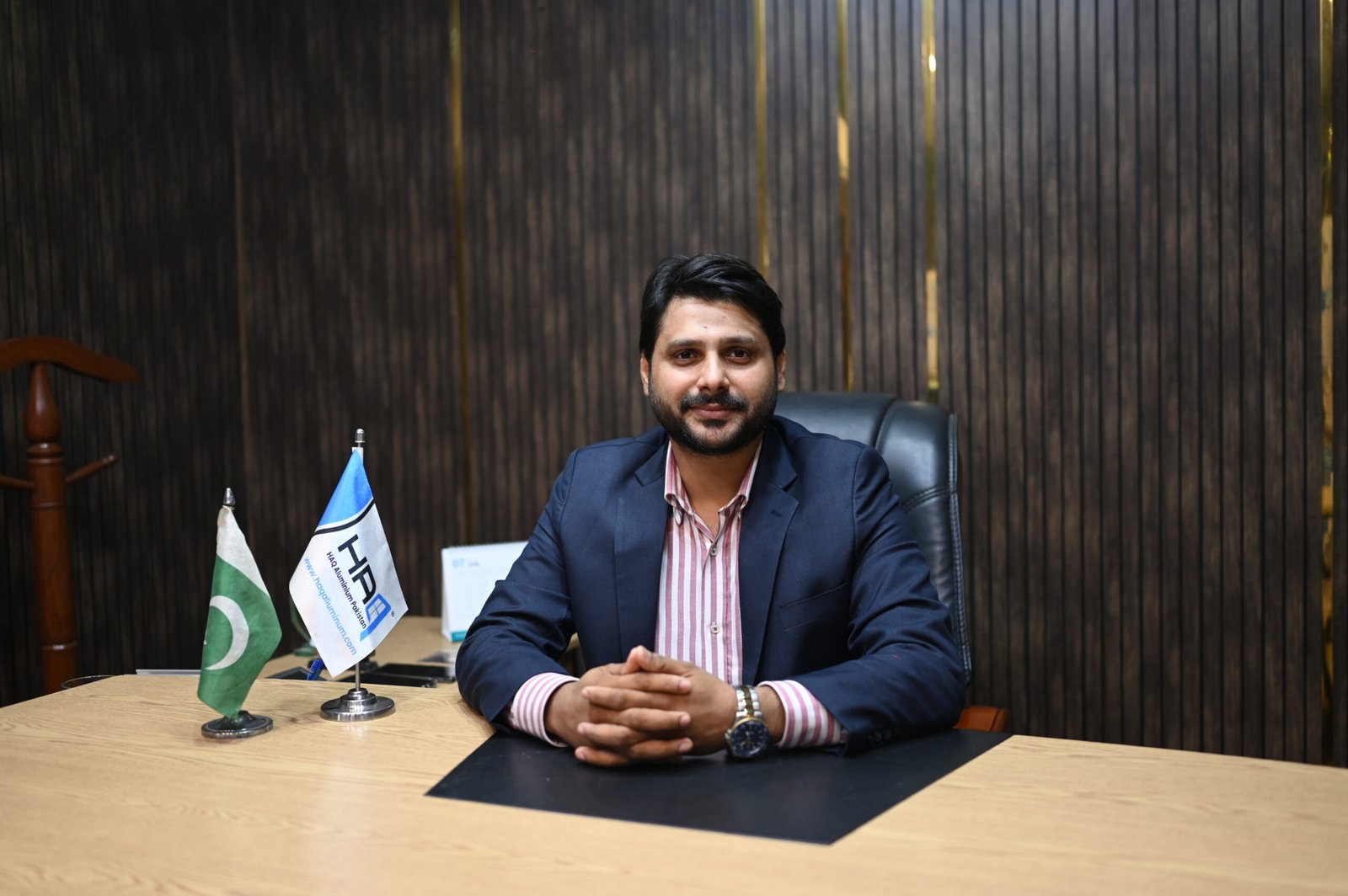
"Quality is not a static claim in our factory—it is an unbroken operational discipline repeated across every extrusion billet, die setup, and final bundle export."
Founded on decades of heavy industrial metal processing, our facility combines veteran metallurgical expertise with modernized automated extrusion presses ranging from 600 to 3,600 tons. This breadth of infrastructure empowers us to deliver micro-tubing for electronics up to heavy structural 500mm outer-diameter pipes with absolute repeatability.
Consult Our Technical Engineering TeamKey technical shifts, regulatory directives, and material science innovations reshaping global enterprise procurement strategy.
With the European Union's Carbon Border Adjustment Mechanism (CBAM) entering full enforcement, global buyers are prioritizing aluminum pipe suppliers utilizing renewable hydro-powered smelters. Sourcing low-carbon primary billet (below 4.0 kg CO2e/kg Al) is now essential to avoiding import tariffs and fulfilling ESG mandates.
Modern extrusion mills are integrating real-time laser profile scanners and AI predictive thermal modeling directly onto the run-out table. This technology reduces dimensional variation to less than ±0.05mm, allowing automated robotic welding lines at customer assembly plants to run without jam-ups or joint gaps.
B2B buyers are moving away from fixed-price spot orders toward long-term framework contracts tied to dynamic London Metal Exchange (LME) conversion premium formulas. Partnering with vertically integrated factories with high billet stock guarantees price stability and uninterrupted production schedules.
Tailored structural and chemical alloy selection guides developed by senior application engineers.
For saltwater immersion, marine heat exchangers, and vessel superstructure piping, specifying 5083-H116 or 5083-H321 is mandatory. These specific tempers feature a stabilized microstructure that prevents intergranular corrosion and stress-corrosion cracking (SCC) under continuous marine exposure.
High-stress hydraulic fluid conduits require extreme strength-to-weight ratios. Ultra-high strength 7075-T6 seamless tubing delivers yield strength exceeding 500 MPa, replacing heavier stainless steel tubes in military aircraft flight control actuators and high-pressure fuel lines.
Electric vehicle (EV) cooling plates and HVAC heat exchangers demand high thermal conductivity combined with superior tube bending capability. 3003 alloy micro-channel extruded tubes offer ideal grain structure for zinc-arc spraying and fluxless brazing.

In-depth responses regarding manufacturing capabilities, quality assurance, logistics, and custom OEM ordering.
Our mill extrudes a wide spectrum of alloys including 6063, 6061, 6082, 5083, 5086, 5052, 5754, 3003, and 7075. Standard tempers cover T5, T6, T651, T6511 for heat-treatable 6xxx/7xxx series, as well as H111, H112, H116, H321, and H32 for strain-hardable 3xxx/5xxx series. Special tempers can be specified prior to billet casting.
Extruded structural tubing is produced using bridge or porthole dies where the aluminum splits and weld-seams together around internal die legs under pressure. Seamless pipe is extruded over a floating or fixed mandrel through a pierced hollow billet, resulting in a single continuous grain structure without longitudinal welds—offering 20-30% higher bursting strength capacity.
We supply mill finish, anodized (natural clear, satin, black, bronze, and custom colors up to 25 microns), architectural polyester powder coating (Qualicoat certified RAL colors), fluorocarbon (PVDF) spraying for extreme weathering, and chemical etching/bright dipping for decorative applications.
Each production run includes optical emission spectrometry (OES) chemical analysis, continuous ultrasonic flaw detection, CMM optical coordinate dimensional logging against EN 755 / ASTM B221 standards, and mechanical tensile testing. Certified Mill Test Reports (MTRs) to EN 10204 3.1 accompany every shipping container.
For standard stocking profiles, MOQ starts at 500 kg per size. For custom structural or seamless dies, tooling design and sample fabrication take 10 to 15 working days. Once the first-article sample is approved in writing, bulk production and container loading take 20 to 25 days.
Yes. Our in-house technical center provides complete DFM reviews for drawing submissions (STEP/IGES/DXF). We offer value-added post-processing including precision cut-to-length, deburring, 5-axis CNC milling, bending, punching, end-threading, and automated robotic assembly.