EN Contact Us
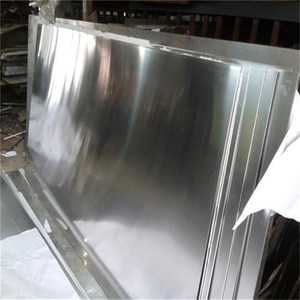
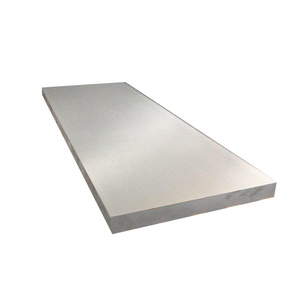
Direct mill-to-market raw materials, custom cut-to-size extruded alloy plates, and anodized aluminum cabinet panels tailored for OEM/ODM global buyers.
An authoritative technical evaluation of material selection, lifecycle economics, and supply chain shifts in commercial and residential aluminum cabinet manufacturing.
Global architectural standards (EN 13501-1, ASTM E84) are enforcing stricter volatile organic compound (VOC) limits and non-combustible material mandates in interior fit-outs. Traditional medium-density fiberboard (MDF), particleboard, and plywood cabinets release formaldehyde resins over 10-15 years and suffer structural breakdown under moisture exposure.
Leading commercial developers and residential buyers are switching to all-aluminum structural cabinets fabricated from 6061-T6 extrusions and 5052-H32 aluminum honeycomb core panels. Aluminum offers absolute zero-VOC off-gassing, Class A1 fire rating, and complete immunity to termite infestation and water degradation.
Procurement teams are moving away from stock distributor inventory toward integrated China-based manufacturing partners capable of handling end-to-end operations: billet casting, profile extrusion, CNC precision slotting, surface anodizing, and pre-assembled flat-pack exports.
By utilizing AS9100D and ISO 9001 certified suppliers, international buyers reduce supply chain markups by 28% to 42%, while gaining direct access to custom die creation (within 10-15 days), precise wall-thickness optimizations, and tailored color-matching (RAL powder coating & wood-grain sublimation).
| Engineering Property | All-Aluminum Cabinets (5052 / 6061) | Solid Wood / Plywood | MDF / Particleboard | Stainless Steel (304) |
|---|---|---|---|---|
| Formaldehyde Emission | Zero (0.00 mg/m³) | 0.05 - 0.12 mg/m³ | 0.15 - 0.50 mg/m³ | Zero (0.00 mg/m³) |
| Fire Resistance Rating | Class A1 Non-Combustible | Class C / D (Combustible) | Class D (Highly Flammable) | Class A1 Non-Combustible |
| Moisture & Water Swelling | 0.0% Dimensional Change | 5.0% - 12.0% Expansion | 15.0% - 25.0% Severe Swell | 0.0% Dimensional Change |
| Weight-to-Strength Ratio | Optimal (High Yield Strength) | Moderate / Heavy | Poor (Heavy & Brittle) | Very Heavy (High Transport Cost) |
| Recyclability & Residual Value | 100% Recyclable (High Scrap Value) | Non-recyclable (Landfill) | Non-recyclable (Toxic Residue) | 100% Recyclable |
| Service Lifespan | 30+ Years Maintenance-Free | 7 - 12 Years | 3 - 5 Years | 25+ Years (Prone to Fingerprints) |
How advanced metallurgy, aerospace-grade machining, and eco-friendly surface chemistry are reshaping modular aluminum cabinet production.
Modern high-end kitchen and medical cabinets rely on sandwich structure construction: a 0.3mm to 0.8mm anodized aluminum skin bonded to an expanded hexagonal aluminum honeycomb core via polyurethane thermal curing. This creates rigid, warp-free cabinet doors up to 3 meters in height while maintaining a fraction of the weight of solid metal or composite wood plates.
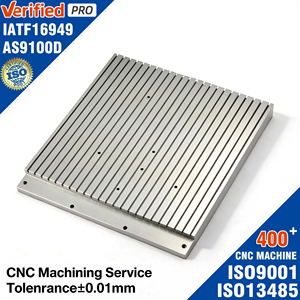
To achieve invisible mechanical joinery and snap-fit modular assembly, top manufacturers leverage 5-axis CNC machining centers. Precision tolerance control (±0.01mm) on 6061-T6 profiles allows corner brackets, soft-close hinges, and thermal-break gaskets to lock together seamlessly without exposed screws, welds, or unsightly rivets.
Overcoming the cold industrial aesthetics of traditional metal, advanced vacuum thermal transfer sublimation infuses natural wood texture finishes (Walnut, Oak, Teak) deep into the powder-coated layer. Additionally, Qualicoat Class 2 Fluorocarbon (PVDF) finishes ensure zero fading, chalking, or blistering even under continuous outdoor UV exposure.
With over five decades of deep-rooted metallurgical experience, our manufacturing ecosystem combines raw alloy casting, extrusion press technology, precision CNC finishing, and international compliance testing on a single unified production floor.
Optical emission spectroscopy verification on every ingot lot guarantees precise silicon, magnesium, and iron alloy ratios for 5083, 5052, 6061, and 7075 series.
Dedicated in-house tooling plant delivers complex aluminum profile dies within 10–15 business days, backed by 3D CAD/CAM/FEA stress analysis before physical cutting.
Interleaved anti-scratch PE film, corner edge protectors, fumigated wooden crates, and heavy-duty steel strapping ensure zero damage during sea freight transit.
Essential technical and commercial answers regarding alloy selection, minimum orders, customized finishes, and global shipping logistics.
For cabinet frame structures and door frames, 6061-T6 and 6063-T5 extrusions are standard due to their high structural strength and excellent anodizing response. For cabinet door panels, backplates, and drawer bottoms, 5052-H32 or 5083 aluminum sheets are preferred because of superior bending capability, moisture resistance, and anti-corrosion performance.
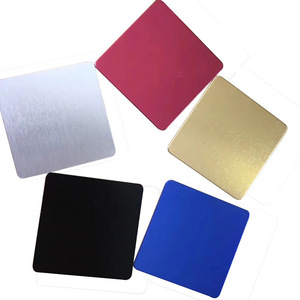
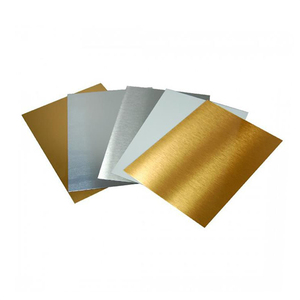
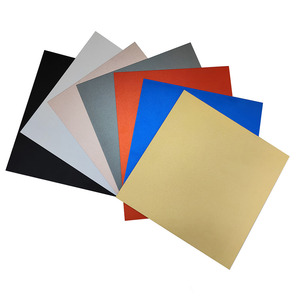
We supply a complete array of industrial finishes: Satin Anodizing (10-25 microns in Silver, Black, Gold, Bronze), Electrostatic Architectural Powder Coating (RAL spectrum in matte, gloss, or texture), 3D Wood-Grain Thermal Transfer Sublimation, and PVDF Fluorocarbon Sprayed Coatings for outdoor BBQ kitchens.
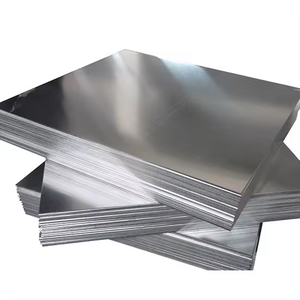
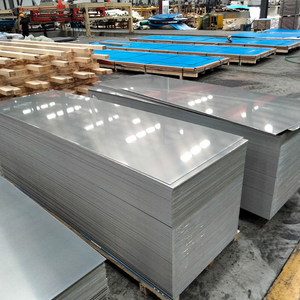
For standard aluminum sheets (5052, 6061, 3003), the MOQ is typically 500 kg to 1,000 kg per specification. For custom profile dies, MOQ starts at 1,000 kg per profile shape. Tooling die production takes 10–15 days, while bulk mass production and surface finishing require 15–20 business days.
No. By utilizing hollow multi-chamber extruded profiles and ultra-lightweight aluminum honeycomb sandwich plates (0.4mm skins + core), an all-aluminum cabinet system is actually 30% to 50% lighter than solid hardwood or dense MDF cabinets, while providing up to 5x higher structural load capacity.
Yes. We specialize in Completely Knocked Down (CKD) export packages. Using precise CNC cutting, milling, drill tapping, and corner locking slots, we provide fully pre-machined aluminum cabinet components that assemble rapidly on-site with minimal labor and zero welding.
Every shipment is accompanied by a mill test certificate (MTC) conforming to EN 10204 3.1 standards. Quality control testing includes spectrographic chemical analysis, Webster hardness testing, anodizing/coating film thickness measurement, cross-hatch paint adhesion testing, and salt spray fog testing (up to 1,000 hours).
By specifying 5000-series (5052, 5083) marine-grade magnesium-aluminum alloys along with chromate-free chemical pretreatment and sealed anodizing layers, our cabinet components achieve complete resistance to salt spray, mold growth, and high humidity oxidation.
Absolutely. Our engineering department accepts all standard 2D and 3D CAD formats, including DWG, DXF, STEP, IGES, and SolidWorks files. Our technical team performs structural FEA stress simulation and extrusion feasibility checks prior to die sinking.
Partner directly with China's premier aluminum cabinet sheet and profile manufacturer. Send us your CAD drawings or required alloy specifications today for an instant factory-direct quotation.
Get a Quote