
EN Contact Us
Direct factory supply featuring aerospace, marine, structural, and decorative anodized aluminum alloy plates and extruded profiles engineered to ISO 9001 and AS9100 standards.
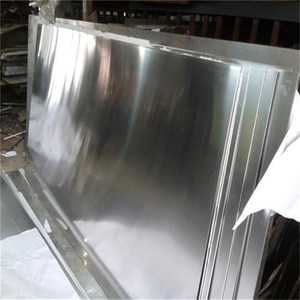
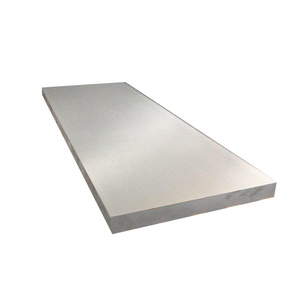
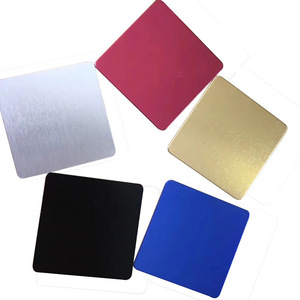
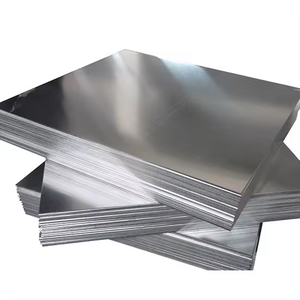
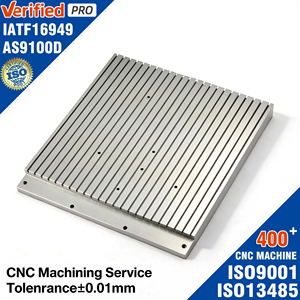
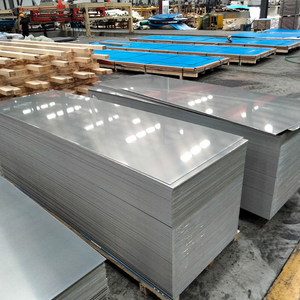
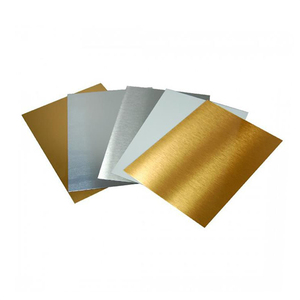
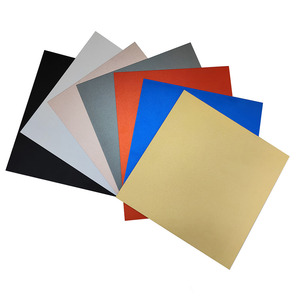
In modern industrial manufacturing and global architecture, selecting an aluminum extrusion supplier and exporter requires moving beyond baseline price-per-kilogram quotes. Modern B2B procurement directors, structural engineers, and automotive OEMs demand strict metallurgical integrity, dimensional tolerance adherence according to EN 755 and EN 12020 standards, robust surface finish guarantees, and dynamic custom die design capabilities.
This industry whitepaper evaluates the core competencies that define the top 10 global suppliers and exporters in the aluminum profile sector. Whether sourcing 6000-series structural extrusions for high-rise thermal break curtain walls or 7000-series aerospace CNC machined components, understanding supplier manufacturing capabilities is vital for mitigating supply chain risks.
Top-tier exporters utilize primary A00 virgin ingot billets with controlled homogenization heat treatment to prevent segregation and internal micro-cracks during high-tonnage extrusion.
Integrated CAD/CAM simulation using CADFE&M software minimizes trial iterations, enabling rapid die delivery within 10 to 15 business days for intricate hollow and semi-hollow profiles.
In-house chromate-free passivation, QUALICOAT Class 2 architectural powder coating, and hard-coat anodizing ensuring over 1,000+ hours of neutral salt spray (NSS) corrosion resistance.
Pro Tip: When evaluating extrusion quotes, always request the alloy grain boundary test report and quench speed validation logs. Insufficient press quenching on 6061-T6 profiles leads to lower yield strength (below 240 MPa) and reduced fatigue performance under dynamic structural loads.
Selecting the correct aluminum alloy series directly determines the mechanical performance, weldability, corrosion resistance, and post-extrusion machinability of your custom profiles. Below is an engineering comparison matrix designed to guide procurement teams across major export grades.
| Alloy Grade | Major Alloying Elements | Tensile Strength (MPa) | Yield Strength (MPa) | Corrosion Rating | Primary Industrial Applications |
|---|---|---|---|---|---|
| 6063-T5 / T6 | Mg, Si | 160 – 230 | 110 – 190 | Excellent | Architectural windows, curtain wall facades, louvers, LED heat sinks |
| 6061-T6 | Mg, Si, Cu | 290 – 310 | 240 – 275 | Very Good | Structural framing, truck trailers, renewable solar rails, CNC machinery |
| 6082-T6 | Mg, Si, Mn | 310 – 340 | 260 – 290 | Very Good | High-stress structural bridges, cranes, marine superstructures, roof trusses |
| 5083-H116 | Mg, Mn, Cr | 305 – 380 | 215 – 280 | Superior Marine | Ship hulls, offshore platforms, cryogenic tanks, heavy armor plate |
| 7075-T6 | Zn, Mg, Cu | 530 – 570 | 460 – 503 | Moderate | Aerospace spars, defense components, high-stress precision OEM tooling |
The extrusion process forces heated aluminum billets (typically 450°C to 500°C) through a steel die orifice under immense hydraulic pressure (ranging from 800 to 10,000 metric tons). Achieving optimal mechanical properties depends heavily on post-extrusion heat treatment:
Tracing its industrial lineage back to 1972 in Lahore, Pakistan, HAQ Aluminium stands as a premier integrated manufacturer and exporter. With an established track record across steel, machinery, and precision non-ferrous metals, our state-of-the-art production plant combines billet casting, die design, multi-press extrusion lines, thermal break assembly, and automated powder coating under a single quality control roof.
Trusted by global contractors, textile equipment manufacturers, solar EPC developers, and commercial facade fabricators across the Middle East, Europe, and North America, HAQ delivers fully certified aluminum profiles engineered to exact project specifications.
As industries accelerate toward net-zero targets and extreme lightweighting, the global aluminum extrusion market is undergoing transformative technical shifts. B2B buyers must align with exporters who actively adopt these innovations.
Procurement contracts increasingly require low-carbon aluminum produced via renewable hydropower or recycled post-industrial scrap (secondary aluminum), cutting carbon intensity from 16kg CO2/kg to under 4kg CO2/kg.
Electric vehicle chassis, crash boxes, and battery tray enclosures require large-section extrusions with intricate internal webs that absorb impact energy while maintaining hermetic liquid-cooling seals.
Strict energy efficiency codes drive adoption of wide polyamide 66 thermal barrier strips reinforced with 25% glass fiber, drastically reducing thermal bridge conductivity in extreme climates.
Global supply disruptions have underscored the importance of working with integrated exporters who manage the entire value chain internally. Sourcing from vendors who outsource anodizing or CNC machining leads to elongated lead times, accumulated transit damage, and fragmented quality liability. Top-tier suppliers guarantee end-to-end traceability, wrapping profiles in protective film, interleaving kraft paper, and bundling on reinforced ISPM-15 timber skids for ocean freight.
Direct technical answers from senior metallurgical engineers to address essential sourcing, quality assurance, and order execution questions.
Submit your DXF/STEP drawings, alloy specifications, and finish requirements directly to our engineering desk for a comprehensive technical review and factory-direct quote.