
EN Contact Us
Explore our high-performance architectural and industrial aluminum cladding plates, color-anodized sheets, and precision CNC-machined panels manufactured for global B2B procurement.
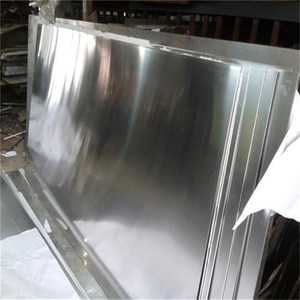
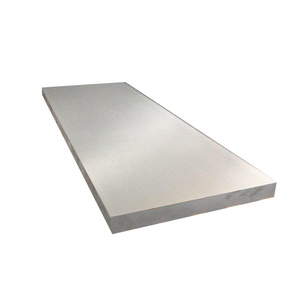
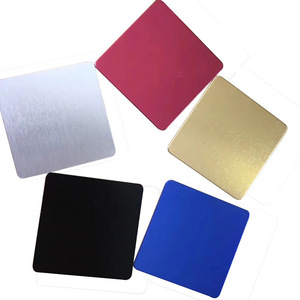
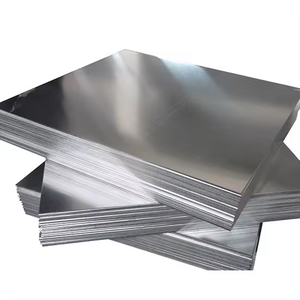
An authoritative technical evaluation of solid aluminum cladding panels, alloy selections, surface chemistry, and advanced off-site fabrication methodologies for tier-1 contractors and engineering specifiers.
Modern building envelopes require an optimal convergence of structural rigidity, non-combustible fire safety, environmental resilience, and aesthetic permanence. As a premier OEM/ODM aluminum cladding factory, our manufacturing infrastructure bridges decades of metallurgical experience with modern continuous coating and precision CNC fabrication technologies.
Originating from a legacy metals enterprise established in 1972, HAQ Group has evolved into a fully integrated metallurgical powerhouse. Our specialized aluminum division seamlessly unites direct billet casting, high-tonnage extrusions, precision plate rolling, automated CNC routing, non-chromate pre-treatment, and high-performance electro-static powder coating within a single unified facility.
Core Technical Value: Single-site control over alloy smelting, temper heat-treatment (T5/T6/H32), surface anodizing, and PVDF coating guarantees total batch-to-batch consistency and eliminates supply-chain handoff errors.
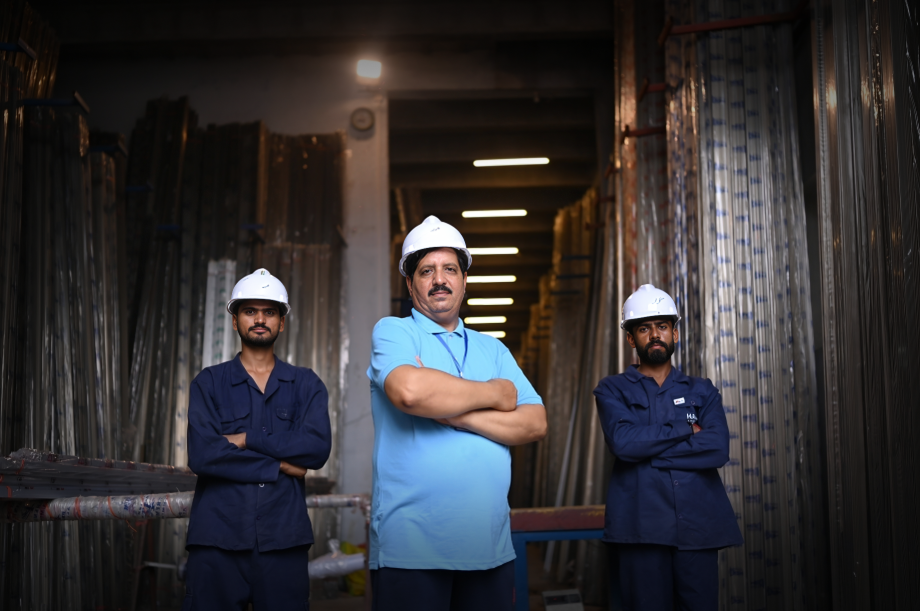
Direct melt purification and DC casting ensure ultra-clean aluminum slabs free from non-metallic inclusions, preventing surface blistering during anodizing or thermal curing.
Equipped with state-of-the-art vertical powder coating and liquid coil lines compliant with AAMA 2605 specifications, delivering 20-30 year weatherability warranties.
Our solid aluminum cladding panels are 100% solid non-combustible alloy, entirely eliminating fire safety risks associated with PE-core composite cladding panels.
Choosing the correct aluminum alloy and temper designation is crucial to withstand wind-load deflection, atmospheric corrosion, and mechanical stress across variable climate zones.
| Alloy Series | Common Temper | Tensile Strength (MPa) | Yield Strength (MPa) | Corrosion Resistance | Primary OEM/ODM Application |
|---|---|---|---|---|---|
| 3003 Alloy (Al-Mn) | H14 / H24 | 140 - 180 | 115 - 150 | High (Rural / Urban) | Interior decorative cladding, ceiling cassettes, spandrel panels, light facade screens. |
| 5052 Alloy (Al-Mg) | H32 / H34 | 210 - 260 | 160 - 200 | Superior (Marine / Industrial) | High-rise curtain wall exterior cladding, solid architectural panels, perforated sunshades. |
| 5083 Alloy (Al-Mg-Mn) | H116 / H321 | 275 - 350 | 200 - 240 | Extreme (Salt-Spray / Coastal) | Offshore platform cladding, heavy marine structures, chemical facility external protection. |
| 6061 Alloy (Al-Mg-Si) | T6 / T651 | 290 - 330 | 240 - 280 | Excellent (Structural) | Load-bearing structural cladding sub-frames, engineered stiffeners, heavy CNC bracketry. |
Architectural aluminum cladding performance is dictated by the chemical bond between the aluminum substrate and the protective topcoat. As a specialized ODM factory, we execute a rigorous 7-stage pre-treatment process:
For external building envelopes, we recommend coatings meeting AAMA 2605 standards. Key physical metrics verified in our laboratory include:
• Humidity Resistance: 4,000 Hours (ASTM D2247) with no blistering.
• Salt Spray Resistance: 4,000 Hours 5% Neutral Salt Spray (ASTM B117).
• Chalk Resistance: Rating No. 8 or better after 10-year South Florida exposure.
• Color Retention: Maximum 5 Delta E units change over 10-year accelerated weathering.
Anticipating regulatory shifts, carbon-border adjustments, and emerging architectural technologies to ensure resilient, future-proof procurement strategies.
Global developers and tier-1 EPC contractors now require Environmental Product Declarations (EPD) and LEED v4.1 certification inputs. Procurement is pivoting toward low-carbon aluminum smelted using renewable hydro-electric power or utilizing up to 75% post-consumer recycled content (PCR). OEM suppliers who provide certified carbon footprint documentation (< 4.0 kg CO2e per kg Al) hold a decisive competitive advantage in European and North American markets.
The facade is evolving from a passive weather barrier into an active power-generating asset. Future aluminum cladding systems are engineered with integrated conduit channels, structural wiring chases, and snap-fit mounting systems designed to seamlessly support thin-film solar modules and smart BIPV glass units without compromising the rainscreen pressure-equalization cavity.
On-site labor constraints and safety regulations are accelerating the adoption of pre-assembled unitized cladding panels. Future OEM procurement focuses on complete factory-assembled cladding cassettes complete with integrated thermal insulation, vapor retarders, and secondary drainage channels ready for quick crane-hoist installation.
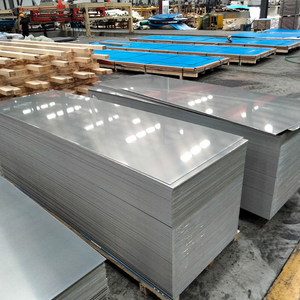
Tightening global fire codes (such as NFPA 285, EN 13501-1 Class A1, and BS 8414) have triggered a mass phase-out of polyethylene-core composite panels. Sourcing directors are systematically migrating supply contracts toward 2.5mm, 3.0mm, and 4.0mm solid non-combustible aluminum plate systems to mitigate insurance liability and building code compliance risks.
How advanced digital manufacturing, 5-axis CNC machining, and smart self-cleaning coatings are revolutionizing facade longevity and design flexibility.
Modern architectural design leverages 3D parametric algorithms to create double-curved, fluid facade geometries. Our factory utilizes multi-axis CNC V-grooving and hydraulic roll-bending to produce complex 3D aluminum cassettes without micro-fracturing the structural metal alloy or damaging the surface finish.
Incorporating nano-titanium dioxide (TiO2) photocatalytic topcoats allows organic urban dirt and dust to be decomposed by ambient solar UV rays. Rainfall then evenly washes away debris without forming dirty water streaks, drastically cutting building maintenance costs over its operational lifecycle.
Before cutting metal, our engineering department executes FEA structural stress modeling to simulate wind pressure load cases (up to 8.0 kPa in typhoon-prone regions). This optimizes panel thickness and stiffener placement, reducing raw material consumption while ensuring zero structural deflection.

From architectural CAD concepts to containerized export shipping—our standardized engineering protocol guarantees zero-defect manufacturing.
Our engineering desk reviews your shop drawings, structural wind-load parameters, panel edge folding details, and drainage requirements. We optimize panel dimensions to maximize coil sheet yield and eliminate material waste.
For extruded cladding louvers or interlocking mullion profiles, our die shop designs and sinks custom high-H13 steel extrusion dies within 10 to 15 working days, issuing first-article samples for client verification.
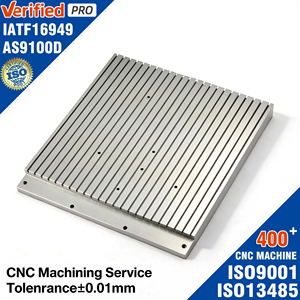
Sheets are cut on high-speed industrial CNC routers to ±0.5mm tolerances. Automatic V-grooving allows precise 90-degree corner folding without stress-cracking the exterior aluminum face.
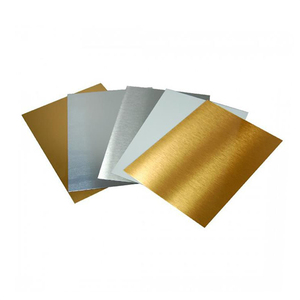
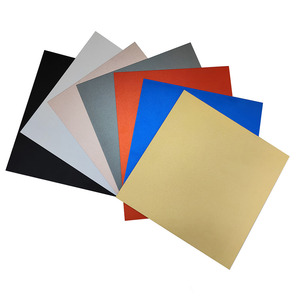
Panels undergo 7-stage non-chromate chemical pre-treatment followed by electrostatic powder or liquid PVDF spraying. Coating thickness (min. 30 microns for 2-coat, min. 40 microns for 3-coat) is digitally monitored.
Every production lot undergoes rigorous laboratory testing: Cross-hatch adhesion (ASTM D3359), Barcol hardness (ASTM B648), impact resistance, and gloss level checks. Inspection certificates accompany shipping documents.
Panels are lined with custom protective polyethylene laser-film, interleaved with foam sheet separators, and strapped into IPPC ISPM-15 heat-treated wooden crates designed for safe 20ft/40ft container ocean transport.
Comprehensive technical and commercial responses to critical procurement questions asked by international buyers, facade consultants, and general contractors.
For standard high-rise exterior building envelopes subjected to wind pressure, 3.0mm thick solid aluminum alloy sheet (5052-H32 or 3003-H14) is the industry benchmark. For low-rise buildings or interior decorative cladding, 2.0mm or 2.5mm is sufficient. For monumental facades with massive spanning cassettes or severe coastal wind zones, 4.0mm sheet or internal aluminum angle stiffeners are incorporated.
Solid aluminum cladding panels are composed of 100% non-combustible metallic alloy, earning an EN 13501-1 Class A1 / ASTM E84 Class A fire rating without requiring special mineral core fillers. In contrast, standard ACP panels contain plastic polyethylene cores that pose extreme fire hazards. Solid aluminum paneling completely eliminates fire propagation risks and complies with the strictest global building safety codes.
For harsh marine or industrial environments, we recommend a 3-coat or 4-coat PVDF (Fluoropolymer) liquid paint system or FEVE coating compliant with AAMA 2605, applied over a non-chromate conversion layer. This configuration provides over 4,000 hours of continuous salt-spray resistance (ASTM B117) and resists chalking, fading, and chemical atmospheric pollutants for 20+ years.
Our standard Minimum Order Quantity (MOQ) for custom-colored solid aluminum cladding sheets or extruded profiles is 1,000 kg per alloy size/color. For stock colors (such as traffic white, metallic silver, or anthracite grey), lower MOQs can be accommodated. Standard production lead time is 15 to 20 calendar days from shop drawing sign-off and deposit receipt.
Yes. Our factory operates automated CNC punching presses, high-power fiber laser cutters, and precision 6-meter CNC hydraulic press brakes. We produce custom acoustic perforations (round, square, hex, or custom parametric patterns), V-grooved sharp corner folds, welded continuous corners, and pre-attached anchor brackets according to your shop drawing specifications.
To eliminate batch-to-batch color drift, we utilize digital spectrophotometers to measure color parameters (L*a*b* coordinates) during coating runs. For large-scale projects, we reserve single-lot raw powder paint resin batches and conduct pre-production spray trials to verify Delta E color variances remain below 0.5 units across all project production shifts.
Absolutely. We regularly host independent inspection agencies such as SGS, TÜV Rheinland, Bureau Veritas, and Intertek for factory audits, raw material chemical testing, coating thickness verification, and container loading supervision prior to vessel dispatch.
Every panel face is laminated with a co-extruded UV-resistant protective film (70 to 100 microns thick) that shields the painted surface during fabrication, transport, and site erection. The film features direction arrows for consistent installation grain alignment and can be peeled cleanly within 45 days after installation without leaving adhesive residue.
Need custom alloy plates, AAMA 2605 coated architectural cladding, or custom structural aluminum extrusions? Speak directly with our senior metallurgical engineers today.
Contact Us