
EN Contact Us
Explore our export-ready architectural extrusions, structural marine plates, CNC machined components, and decorative anodized metal series produced to exacting global standards.
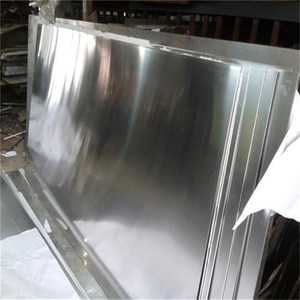
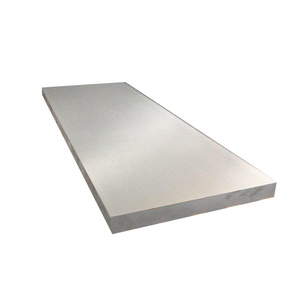
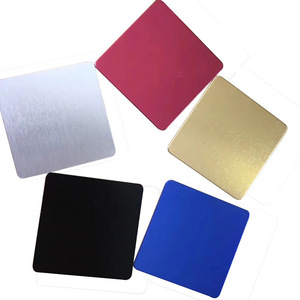
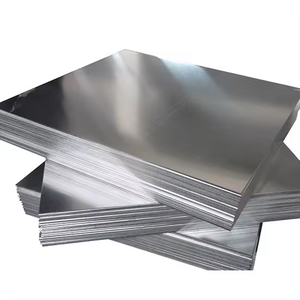
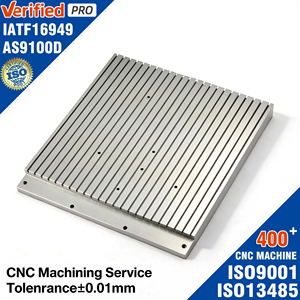
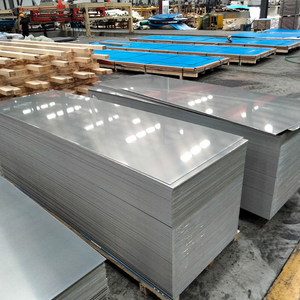
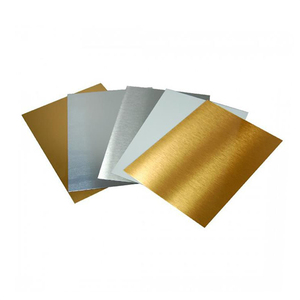
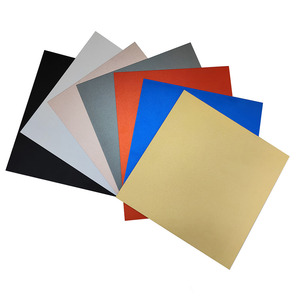
Selecting the right Custom OEM Aluminum Profile Factory requires a manufacturing partner capable of converting raw billet physics into micro-tolerant structural realities. Engineered under rigorous quality control standards, our extrusion lines deliver complete vertical integration—from CAD/CAM die development and billet homogenized heating to multi-axis CNC fabrication and automated surface finishing.
Whether your project demands architectural thermal break systems, high-heat dissipation electronic heat sinks, solar PV frame structures, or aerospace-grade 7075-T6 structural members, our plant integrates end-to-end quality assurance backed by ISO 9001 and AS9100 quality frameworks.
10-15 working days from DXF/STEP drawing approval to first-article sample verification.
100% direct-chill (DC) primary billet utilization with spectrographic melt logs per batch.
A comprehensive engineering evaluation framework for sourcing directors, structural designers, and OEM procurement heads.
Global demand for custom extruded aluminum profiles is experiencing a structural paradigm shift. Driven by automotive electrification (lightweighting), solar energy expansion, and energy-efficient building envelopes, modern OEM buyers must look beyond basic per-kilogram material pricing. Achieving sustainable competitive advantage requires evaluating die friction dynamics, heat-treatment temper consistency (T5 vs. T6), tight dimensional tolerance management (EN 755-9 / ISO 2768-mK), and advanced surface passivations.
Selecting the optimum aluminum alloy grade directly influences mechanical yield strength, extrudability, thermal conductivity, and post-extrusion surface aesthetic. Custom OEM profile factories leverage four primary alloy families for industrial and architectural applications:
| Alloy Series | Standard Tempers | Tensile Strength (MPa) | Yield Strength (MPa) | Key Metallurgical Characteristics | Primary OEM Applications |
|---|---|---|---|---|---|
| 6063 Alloy | T5, T6 | 150 - 240 | 110 - 200 | Excellent extrudability, superior surface finish for anodizing/powder coat. | Architectural windows, doors, facades, curtain walls, lighting fixtures. |
| 6061 Alloy | T4, T6, T6511 | 260 - 310 | 240 - 276 | High structural strength, high toughness, good weldability & machinability. | Heavy structural framing, truck chassis, automation rails, marine decks. |
| 6082 Alloy | T6 | 290 - 340 | 250 - 310 | European structural workhorse alloy; highly resistant to dynamic stress. | Bridges, cranes, roof trusses, heavy transport equipment. |
| 5083 / 5052 | H116, H321, H32 | 270 - 350 | 180 - 240 | Exceptional marine corrosion resistance against saltwater pitting. | Ship hull plating, pressure vessels, cryogenic storage tanks. |
| 7075 Alloy | T6, T651 | 530 - 580 | 460 - 500 | Ultra-high strength zinc alloy; comparable to structural steel. | Aerospace structural fittings, high-stress defense & CNC sports gear. |
A common point of confusion during B2B RFQ specification is the distinction between T5 and T6 tempers in 6000-series extrusions:
Successful OEM extrusion manufacturing begins with strictly enforced Design for Manufacturability (DFM). Extrusion dies operate under hydraulic ram pressures exceeding 1,500 to 4,000 tons at billet temperatures between 450°C and 500°C. Imbalanced profile geometry can trigger non-uniform material flow, severe die wear, or dimensional bowing.
Maintaining uniform wall thickness across profile cross-sections avoids thermal cooling differentials. Adjacent wall ratios should not exceed 2:1 to prevent sink marks and structural twisting.
Internal sharp 90° corners create extreme stress concentration points in the die die gap. Specifying a minimum corner radius of 0.5mm to 1.0mm increases die fatigue life by over 300%.
In hollow or semi-hollow profiles, deep narrow channels weaken die tongues. Keep tongue ratios (channel depth divided by slot width) below 3:1 for standard dies, or under 5:1 for specialized bridge dies.
Untreated aluminum forms a natural oxide film (~2-3 nanometers thick), which provides basic atmospheric resistance but fails under aggressive outdoor, industrial, or marine microclimates. OEM factories deploy three primary industrial coating methodologies:
A. Anodizing (Electrolytic Oxidation): Converts the aluminum surface into a durable, porous aluminum oxide layer ($Al_2O_3$). Standard film thickness ranges from Class II (10-15 µm for indoor decorative profiles) to Class I (18-25 µm for severe outdoor facade profiles). Hard-coat anodizing (>50 µm) provides extreme surface hardness (60-65 Rockwell C) for sliding industrial machinery tracks.
B. Architectural Electrostatic Powder Coating: Utilizes thermosetting polyester or fluoropolymer (PVDF) resin powders applied via electrostatic spray guns and baked at 180°C–200°C. Quality-certified lines (AAMA 2604 / AAMA 2605 compliant) ensure 30+ years of resistance against salt-spray corrosion, chemical pollutants, and chalking caused by intense UV exposure.
C. Sublimation Wood-Grain Transfer: Combines a protective powder base coat with high-temperature vacuum film sublimation. Delivers natural architectural timber aesthetics without the maintenance, decay, or flammable limitations of authentic wood cladding.
Leading OEM suppliers provide fully integrated post-extrusion fabrication services under one roof. By combining extrusion and machining, buyers eliminate multi-vendor transit delays, stack-up tolerance errors, and scrap allocation disputes:
Anticipate global regulatory shifts, technological breakthroughs, and supply chain transformations shaping industrial aluminum procurement over the next decade.
With the implementation of the European Union's Carbon Border Adjustment Mechanism (CBAM) and global Scope 3 carbon reporting, sourcing managers are prioritizing extruders utilizing hydro-powered primary smelter billets and high scrap-ratio re-melt processes ($< 4.0\text{ kg CO}_2\text{e/kg Al}$).
The rapid rise of Electric Vehicle (EV) battery enclosures, fast-charging infrastructure, and AI data center liquid cooling has accelerated demand for complex thin-wall multi-port extrusions (MPE) and friction-stir welded (FSW) liquid cold plate assemblies.
Integration of 3D-printed tool steel die inserts allows conformal cooling channels inside extrusion dies during production. This technology boosts press speeds by up to 25% while maintaining strict dimensional micro-tolerances on complex geometries.
Clear, authoritative engineering answers covering alloy temper matching, custom tooling rights, minimum order quantities (MOQs), and global shipping protection.
Connect directly with our senior metallurgical engineers and die tooling specialists. Send your CAD drawings (DXF / STEP / DWG) or alloy specifications for a complete technical quote within 24 hours.