
EN Contact Us
High-precision aluminum alloy plates, custom cut sheets, color-anodized panels, and CNC-machined structural sections sourced directly from premier Chinese extrusion and rolling mills.
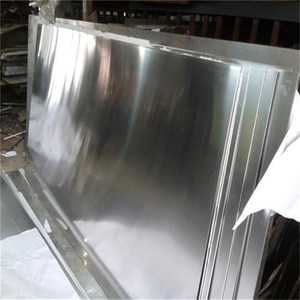
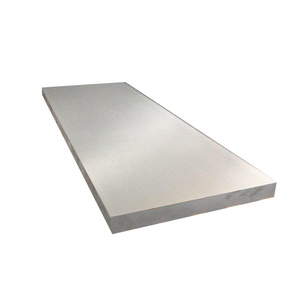
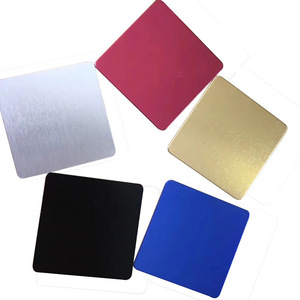
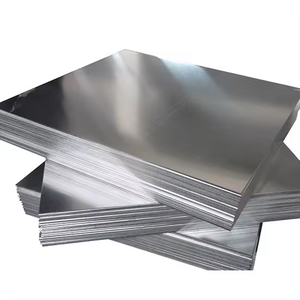
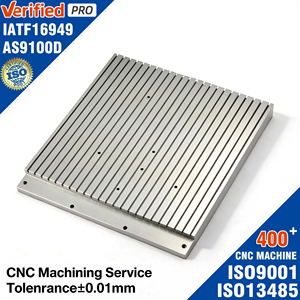
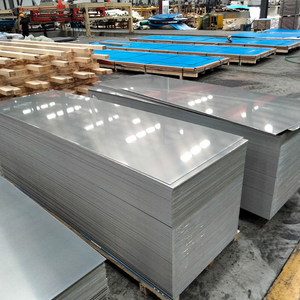
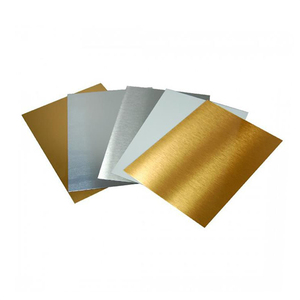
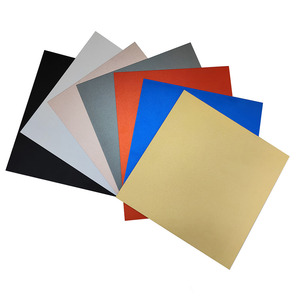
As global infrastructure, marine architecture, aerospace framing, and industrial plant operations accelerate towards lightweight structural optimization and anti-corrosive durability, the demand for high-spec aluminum bar grates, swaged walkways, and alloy plates has surged. China has evolved into the world's primary epicenter for advanced aluminum processing, offering unparalleled economies of scale, integrated extrusion-to-finish supply chains, and sophisticated alloy metallurgical control.
Modern industrial aluminum grating systems—manufactured predominantly from 6000-series (6061-T6, 6063-T5/T6) extrusions and 5000-series marine-grade plates (5083-H116, 5052-H32)—offer a strength-to-weight ratio that outperforms structural carbon steel by up to 65% while delivering intrinsic resistance to atmospheric oxidation and chemical degradation. Sourcing directly from premier Chinese aluminum grate factories allows international engineering procurement teams (EPCs) to achieve substantial cost savings without sacrificing compliance with international standards such as NAAMM MBG 531, ANSI/ASTM, ISO 9001, and AS9100 aerospace machining protocols.
Selecting the precise alloy temper and mechanical profile is critical to avoiding deflection fatigue, intergranular corrosion, or premature yield failure in load-bearing walkways, trench covers, and structural platforms.
| Alloy Grade | Temper Options | Yield Strength (MPa) | Corrosion Resistance | Primary Industrial Applications |
|---|---|---|---|---|
| 6061 | T5, T6, T651 | 240 – 275 | High (Atmospheric/Industrial) | Swaged bar grates, heavy-duty walkway platforms, structural framing, bridge decking. |
| 5083 | H111, H116, H321 | 215 – 280 | Exceptional (Marine/Saltwater) | Offshore platform trench grates, shipbuilding, cryogenic tanks, chemical drainage. |
| 5052 | H32, H34, H38 | 193 – 230 | Very High (Marine/Saltwater) | Pressed-locked architectural louvers, decorative mesh, light-duty drainage covers. |
| 5754 | H111, H22, H24 | 190 – 240 | Exceptional (Chemical/Industrial) | Industrial flooring, vehicle bodywork, safety tread plates, oil rig walkways. |
| 7075 | T6, T651 | 460 – 500 | Moderate (Requires Coating) | Aerospace structural components, high-stress custom machined CNC fixture plates. |
| 3003 | H14, H24 | 115 – 160 | Moderate to High | Decorative perforated sheets, light architectural ceiling panels, HVAC grilles. |
Backing every square meter of aluminum grating with 50+ years of family metallurgical heritage, fully integrated extrusion-to-machining plants, and stringent quality governance.
From primary DC casting and homogenization to precision billet heating, alloy chemistry is verified via direct-reading spectrometers to eliminate impurities before extrusion or rolling begins.
Equipped with 5-axis CNC machining centers, high-speed routing, automated swaging equipment, and custom die toolrooms able to turn DXF/STEP files into physical first-article samples in 10–15 days.
In-house chromate-free pre-treatment lines, vertical architectural powder coating (Qualicoat Class 2), multicolor anodizing, and wood-grain sublimation ensure stringent dry-film thickness and adhesion control.
The industrial grating market is undergoing a seismic shift driven by decarbonization mandates, smart factory automation, and evolving safety regulations. Procurement leaders must align their purchasing strategies with four major ongoing technological developments:
With ESG frameworks enforcing scope 3 emission reductions, leading Chinese aluminum suppliers are transitioning to hydro-powered smelting in regions like Yunnan and Sichuan. The incorporation of up to 75% post-industrial recycled scrap into 6000-series grating billets cuts carbon intensity from 16 kg CO2/kg Al to below 4 kg CO2/kg Al without altering tensile or yield strength.
Traditional welded steel or mechanically riveted aluminum grates are increasingly replaced by high-pressure swaged or press-locked grating systems. High-tonnage hydraulic swaging locks cross bars inside pre-punched bearing bars, forming a rigid, flush-top structural panel that eliminates heat-affected zone (HAZ) annealing weakness caused by welding.
Beyond industrial drainage, aluminum grates are now widely utilized as exterior sunshades, architectural building envelopes, and acoustic ceiling louvers. Advanced electro-chemical anodizing technologies allow long-lasting matte, metallic, and color-tinted finishes (black, bronze, gold, champagne) that withstand decades of intense UV exposure without peeling or chalking.
Tier-1 Chinese manufacturers now embed digital QR code logging into export timber bundling. Buyers can scan pallet labels to instantly access mill test certificates (MTCs), ultrasonic flaw inspection logs, dimensional tolerance reports, and coating thickness records verified by optical emission spectrometry.
Clear, engineering-backed answers addressing alloy selection, load calculations, custom die tooling, anti-dumping compliance, and export logistics.
Aluminum grating provides the optimal balance of weight, strength, and corrosion resistance. It weighs approximately 33% as much as carbon or stainless steel, significantly reducing dead load on support structures and enabling tool-free manual removal for maintenance. While FRP grating is non-conductive, aluminum offers superior impact strength, high-temperature resistance, zero UV degradation, and complete recyclability at end-of-life.
Standard industrial aluminum grating is engineered in compliance with the National Association of Architectural Metal Manufacturers (NAAMM) MBG 531 specification. Bearing bar sizes typically range from 1" x 1/8" up to 2-1/2" x 3/16" depending on clear span and target load (e.g., standard pedestrian live loads of 100 lbs/sq.ft or heavy-duty vehicular loads according to AASHTO H-20 standards).
For custom OEM profile sections or specialized bearing bar shapes, die design and toolmaking take 10 to 15 working days. First-article extruded samples are then checked for dimensional tolerances, surface finish, and temper before bulk manufacturing. Standard stock die sections require no tooling lead time.
For marine environments (offshore rigs, docks, vessel walkways), 5083-H116 or 6061-T6 aluminum with a 20–25 micron clear or hard-coat anodized finish is recommended. Anodizing creates an impenetrable aluminum oxide layer that resists salt spray, atmospheric chlorides, and chemical fumes without requiring repainting.
MOQ is primarily governed by extrusion press billet size and mill run efficiency. Standard alloy runs typically start at 500 kg to 1,000 kg per section for custom profiles. Stock plate cuts (4x8 sheets, 3003/5052/6061 stock) can often be ordered in smaller consolidated LCL shipments.
All export shipments utilize protective interleaving paper or plastic film between individual sheets to prevent surface abrasion. Bundles are bound with heavy-duty steel or PET strapping, fitted with corner edge protectors, and secured to ISPM-15 heat-treated fumigated wooden pallets or custom steel skids suitable for 20ft/40ft container loading.
Yes. Bearing bars can be extruded or punched with a serrated upper edge. Combined with aluminum's natural traction, serrated bar grating delivers superior slip resistance in wet, oily, or icy environments, meeting international OSHA and EN ISO 14122-3 walkway safety requirements.
Reputable Chinese suppliers supply full Mill Test Certificates (EN 10204 3.1) stating chemical composition, tensile strength, yield strength, and elongation. Furthermore, buyers can mandate third-party pre-shipment inspection (SGS, TÜV, Intertek) to perform dimensional audits, load testing, and coating adhesion checks before container sealing.
Connect directly with our engineering team to request CAD profile evaluations, load calculations, custom die quotes, or comprehensive product catalogs.