
EN Contact Us
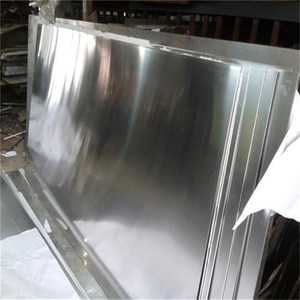
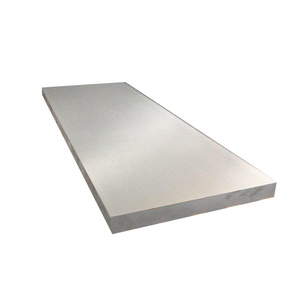
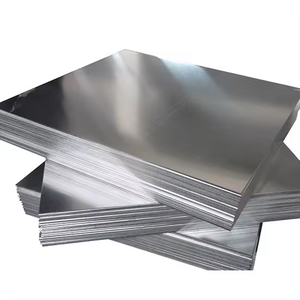
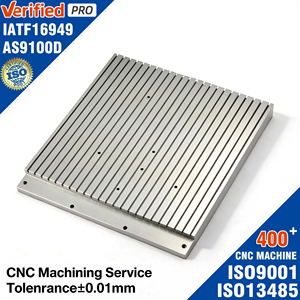
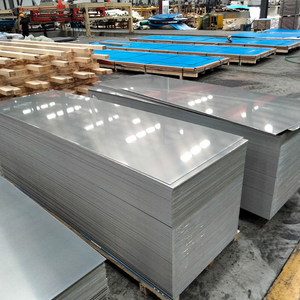
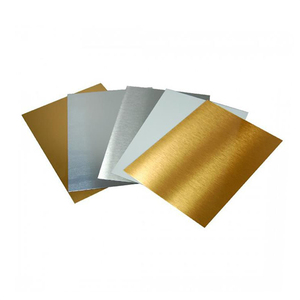
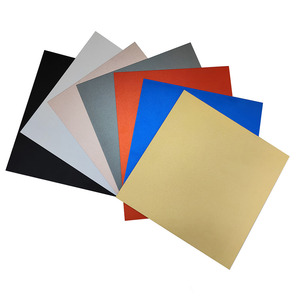
In modern high-speed weaving environments—utilizing rapier, air-jet, water-jet, and projectile looms running at speeds exceeding 1,200 RPM—the engineering integrity of the aluminium loom beam is the ultimate factor determining yarn tension uniformity, structural deflection rates, and overall fabric quality. China has emerged as the global epicenter for precision loom beam manufacturing, merging advanced metallurgical extrusion capabilities with ultra-precise CNC machining and dynamic balancing technology.
As premier suppliers and exporters, leading Chinese manufacturers utilize high-tensile 6063-T6, 6061-T6, and 7075-T6 forged aluminium alloys for loom beam barrels and flanges. The structural demand on a loom beam is immense: under full warp load, a warp beam barrel must resist compressive radial stresses while maintaining a total dynamic axial deflection limit below 0.05mm per meter. Failure to maintain these tolerances introduces yarn tension variance, leading to weaving defects, stop-motion triggers, and costly machinery downtime.
Technical Insight: Dynamic balance grade G2.5 according to ISO 1940-1 is mandatory for modern air-jet looms. Premium Chinese loom beam barrels are dynamically balanced on dual-plane computer balancing rigs to eliminate high-frequency vibrational harmonic resonance during high-speed yarn unwinding.
Choosing the correct alloy composition is fundamental to structural longevity. Below is an engineering overview of the primary aluminium alloys processed across our production extrusion lines for textile loom beams, structural plates, and heat sink extrusions:
| Alloy & Temper | Tensile Strength (MPa) | Yield Strength (MPa) | Elongation (%) | Primary B2B Application |
|---|---|---|---|---|
| 6061-T6 | ≥ 310 | ≥ 276 | ≥ 12 | Loom Beam Barrels, Heavy Machine Frames, CNC Hubs |
| 6063-T5 / T6 | ≥ 215 | ≥ 170 | ≥ 10 | Textile Profile Frames, Structural Tubes, Heat Sinks |
| 7075-T6 | ≥ 570 | ≥ 503 | ≥ 11 | High-Stress Loom Flanges, Aerospace Mounts, Heavy Die Parts |
| 5083-H116 / H321 | ≥ 305 | ≥ 215 | ≥ 16 | Corrosion-Resistant Plates, Chemical Dye Vats, Marine Work |
| 5052-H32 | ≥ 230 | ≥ 195 | ≥ 12 | Anodized Machine Guards, Thin Textile Covers, Enclosures |
From primary alloy billet casting, indirect matrix extrusion pressing (up to 10,000 tons), through precision age-hardening to 5-axis CNC machining—every single step is controlled within a single unified quality management system.
100% non-destructive ultrasonic flaw testing on hollow loom beam barrels, coupled with strict CMM dimensional inspection and hard-coat anodizing thickness validation (ISO 2360 compliant).
Rapid deployment of custom extrusion dies and forging tools from DXF/STEP files. Our dedicated tooling team translates complex buyer profile specifications into first-article trial samples within 10 to 15 business days.
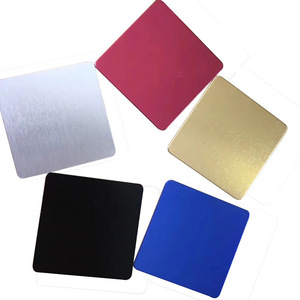
Offering hard-anodizing (up to 50 microns) for extreme yarn abrasive resistance, electrostatic polyester powder coating, chromate-free passivation, and micro-arc oxidation for high-humidity weaving environments.
Heavy-duty ocean-worthy packaging using interleaved protective PE film, customized wooden cradles, and moisture-sealed VCI wrapping designed to prevent oxidation during long sea-freight transit times.
Every export lot is delivered with comprehensive Mill Test Reports (MTR) according to EN 10204 3.1 standards, detailing full spectral chemical composition analysis and mechanical tensile testing verification.
The global textile and industrial manufacturing sectors are undergoing a massive transformation toward automated high-speed machinery, energy efficiency, and decarbonized supply chains. Procuring aluminium loom beams and heavy industrial plates requires a forward-looking strategy alignment with these four overarching industry shifts:
Energy consumption in weaving mills is directly tied to the rotational inertia of rotating machinery components. Forward-thinking textile groups are transitioning away from legacy heavy cast iron or low-grade steel beams in favor of high-yield 7000-series and heat-treated 6000-series alloy beams. Weight reduction of up to 40% significantly decreases startup electrical surge loads on loom motors, lowering mill carbon footprints while allowing faster acceleration cycles.
Modern loom beams are increasingly retrofitted or manufactured with embedded RFID chips and laser-engraved QR barcodes on the inner flange face. Procurement managers now demand digital twin tracking capabilities—enabling weaving mills to monitor warp beam lifecycle cycles, maintenance schedules, total yarn throughput hours, and dynamic re-balancing dates automatically across ERP systems.
Traditional anodizing is giving way to advanced nanostructured plasma ceramic coatings and hard-coat anodizing enriched with PTFE or silicon compounds. This innovation dramatically reduces the friction coefficient between high-density synthetic warp threads (such as glass fiber, Kevlar, or ultra-fine polyester) and the beam barrel surface, eliminating static electricity accumulation and yarn filament fraying.
Global environmental regulations and corporate ESG mandates are driving demand for low-carbon green aluminium. Leading Chinese exporters are establishing closed-loop recycling frameworks where clean industrial offcuts and retired textile beam components are re-melted in energy-efficient regenerative furnaces, cutting embodied carbon emissions by over 75% compared to primary smelter virgin metal.
To provide an accurate engineering quote, we require: (1) Target loom make & model (e.g., Picanol, Toyota, Tsudakoma, Dornier), (2) Flange diameter (mm), (3) Barrel outer/inner diameter and length, (4) Overall length between flange faces, and (5) Specific yarn type and maximum warping tension load.
Our barrels undergo precision CNC turning followed by dynamic balancing on dual-plane electronic balancing equipment. We achieve dynamic balance levels meeting ISO 1940 G2.5 standards, preventing high-speed vibration during rapier or air-jet loom operations exceeding 1000+ RPM.
For natural fibers (cotton, wool), standard 15-20 micron anodizing is ideal. For highly abrasive synthetic threads, glass fiber, or monofilament yarns, we strongly recommend Hard-Coat Anodizing (35-50 microns, hardness >450 HV) to prevent surface groove wear and maintain thread smooth release.
Die engineering and sample approval take 10–15 business days. Once approved, mass production lead time is typically 20–25 days for full container load (FCL) orders. Air-freight sample batches can be expedited upon request.
Yes. Every shipment includes certified EN 10204 3.1 Mill Test Reports detailing chemical composition and mechanical property testing. Third-party pre-shipment inspections by SGS, BV, or Intertek are welcome and routinely arranged.
Standard stock plates have an MOQ as low as 500 kg. Custom extrusion profiles or specialized forged loom beam components typically carry a standard MOQ of 1,000 kg per section, depending on die size and press tonnage required.
Connect directly with our senior metallurgical and mechanical export engineering desk for instant CAD review, technical consultation, and competitive direct factory pricing.
Get a Quote