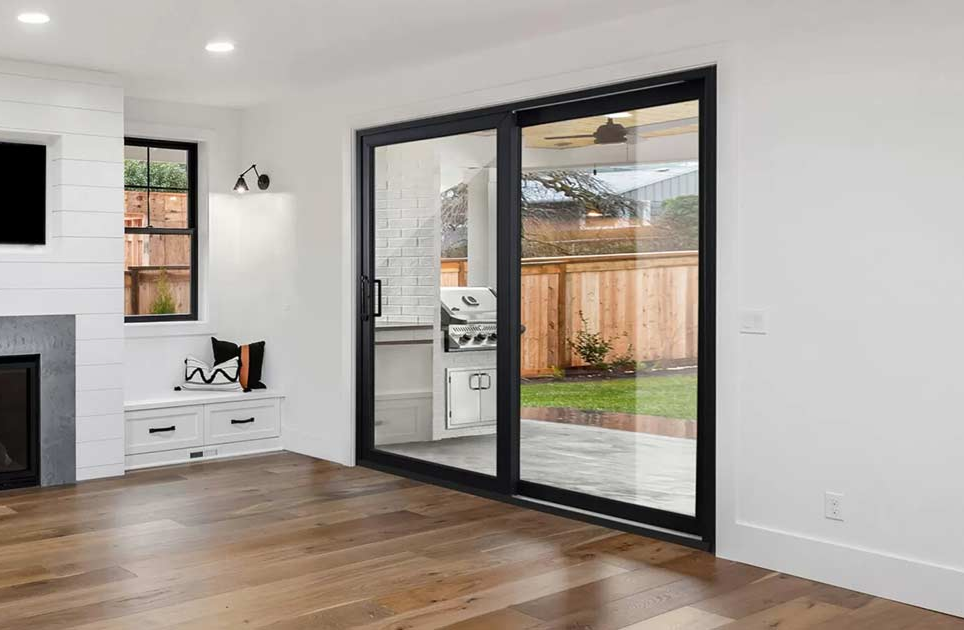
Anodized Door Sections
Heavy-duty outer frames, multi-track sliding stiles, and reinforced meeting stiles finished in satin silver, champagne, and bronze anodizing.
Get Catalog
An authoritative technical breakdown for global procurement directors, structural engineers, and facade consultants. Discover alloy selections, anodizing film depth parameters, future sustainability shifts, and manufacturing capabilities engineered by HAQ Aluminium.
Modern architectural facades and curtain wall assemblies demand rigorous metallurgical precision. Below is an executive comparison of structural behavior, anodizing standards, and quality verification routines.
Controlled anodic oxide film depth compliant with AAMA 611 Class I & II specifications.
High-purity primary billets engineered for optical clarity, corrosion resistance, and structural strength.
Strict dimensional tolerance control minimizing shop-floor fabrication fitting errors.
Three generations of metallurgical mastery originating from HAQ Brothers metal group since 1972.
In high-end architectural envelope design, specifying Anodized Architectural Aluminum Sections requires a deep understanding of how primary aluminum alloy microstructures interact with sulfuric acid electrolyte baths. Unlike organic powder coatings that merely cover the aluminum surface, anodizing converts the outer layer of the aluminum extrusion itself into a integral, sapphire-hard aluminum oxide layer ($Al_2O_3$).
At HAQ Aluminium, our extrusion press engineers primarily utilize prime-grade 6063, 6063A, and 6061 billets. Alloy 6063 provides an exceptionally fine grain structure, which yields superior specular reflection, color uniformity, and surface smoothness post-anodizing. For structural curtain wall transoms, mullions, and unitized frame assemblies subjected to extreme wind load pressures, alloy 6063A or 6061-T6 is specified to achieve higher tensile yield strength while maintaining excellent anodic reactivity.
Audit technical requirements prior to project quotation. All values conform to international extrusion standards.
| Technical Property | Class II (Commercial Exterior) | Class I (Heavy Duty / Coastal) | Testing & Compliance Standards |
|---|---|---|---|
| Anodic Oxide Thickness | 10 µm – 17 µm (0.4 – 0.7 mil) | 18 µm – 25+ µm (0.7 mil+) | ISO 2360 / AAMA 611-12 / EN ISO 2143 |
| Core Alloy Composition | 6063-T5 / T6 (Standard Architectural) | 6063A-T6 / 6061-T6 (Structural) | ASTM B221M / EN 573-3 |
| Surface Hardness | 250 – 350 HV (Vickers Scale) | 350 – 500 HV (Hardcoat Anodized) | ASTM E384 Microhardness |
| Color Fastness & UV Resistance | Rating 8 (Max scale) | Rating 8 (Zero UV degradation) | ISO 105-B02 Xenon Arc Exposure |
| Sealing Quality (Admittance) | < 20 µS (Micro-siemens) | < 15 µS (Complete pore hydration) | EN ISO 2931 / Qualanod Standard |
| Corrosion Resistance (Salt Spray) | 1,000 Hours continuous exposure | 3,000+ Hours neutral salt spray | ASTM B117 / ISO 9227 CASS Test |
| Dimensional Tolerances | EN 12020-2 Standard | EN 12020-2 Precision Class | EN 12020-2 / BS 1474 / ASTM B221 |
Engineered to integrate seamlessly into high-performance fenestration, structural facades, thermal envelope barriers, and custom OEM architectural framing.
Heavy-duty outer frames, multi-track sliding stiles, and reinforced meeting stiles finished in satin silver, champagne, and bronze anodizing.
Get Catalog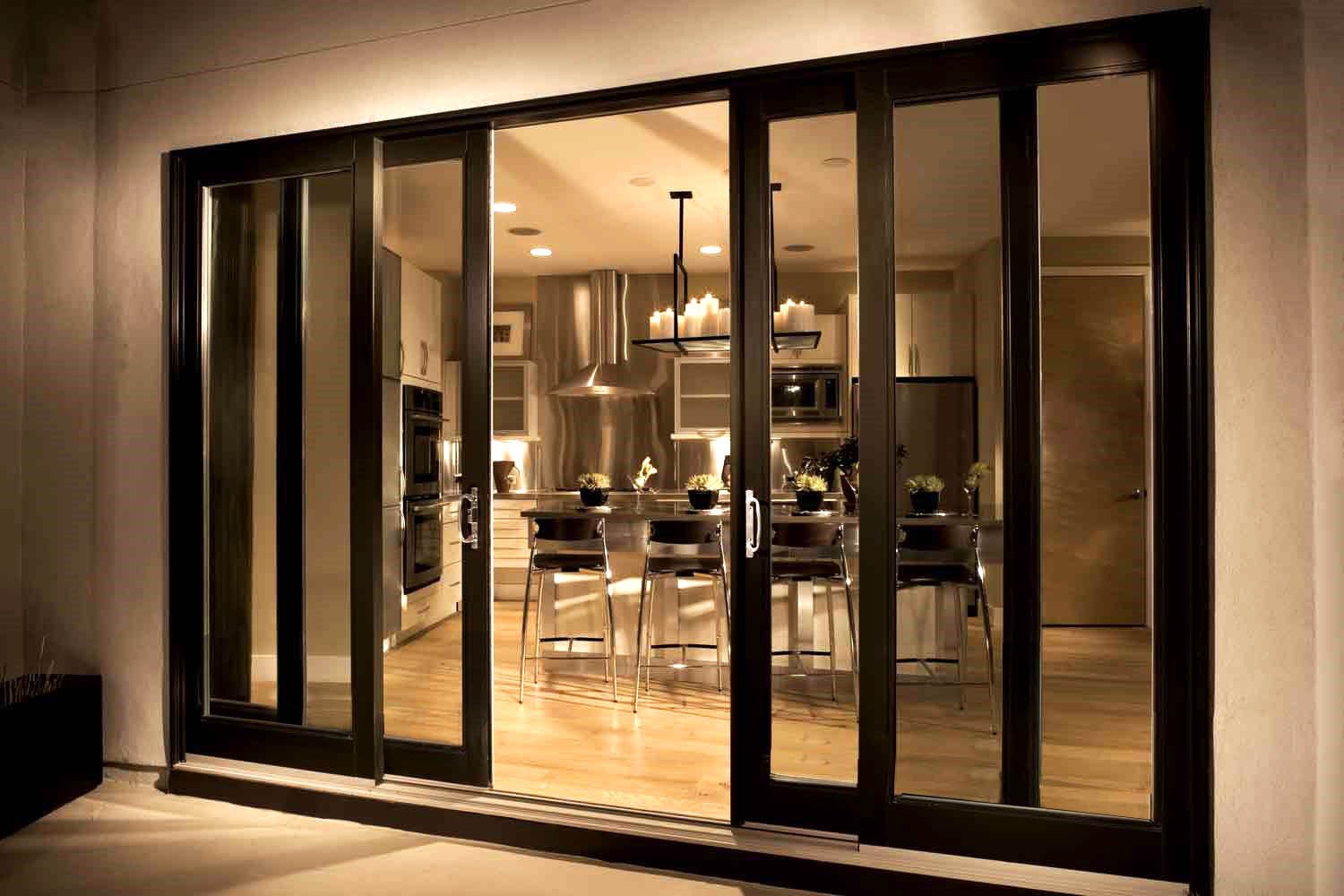
Ultra-slim sightline casement and sliding profiles engineered with deep gasket channels, concealed drainage pockets, and high weather tightness.
Get Catalog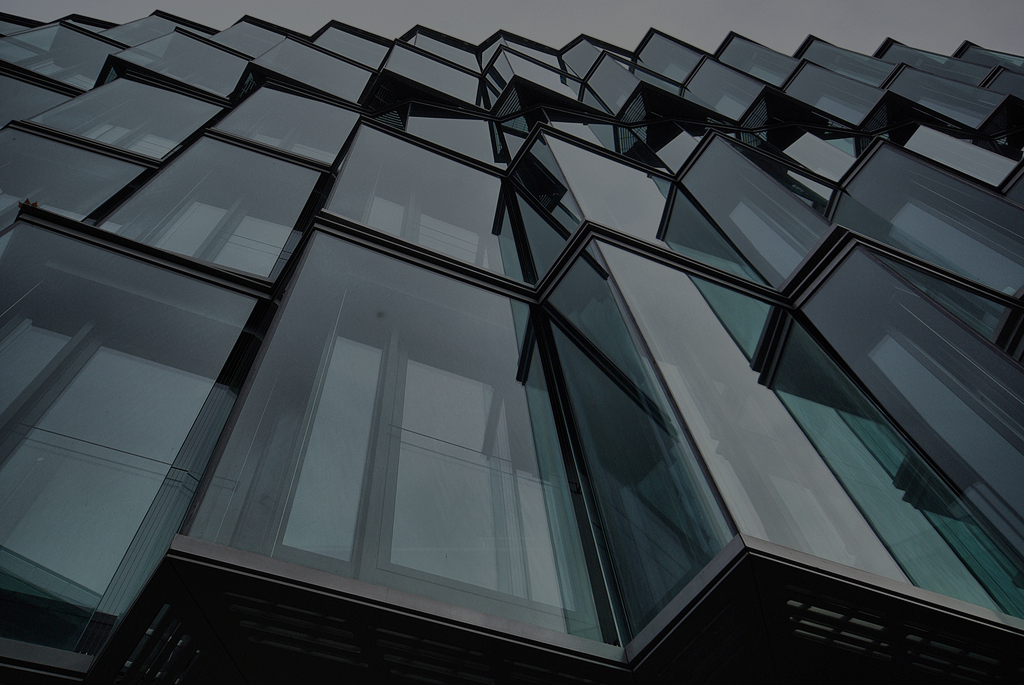
High-moment-of-inertia mullions and transoms designed for unitized and stick curtain wall structural glazing systems under heavy wind pressure.
Get Catalog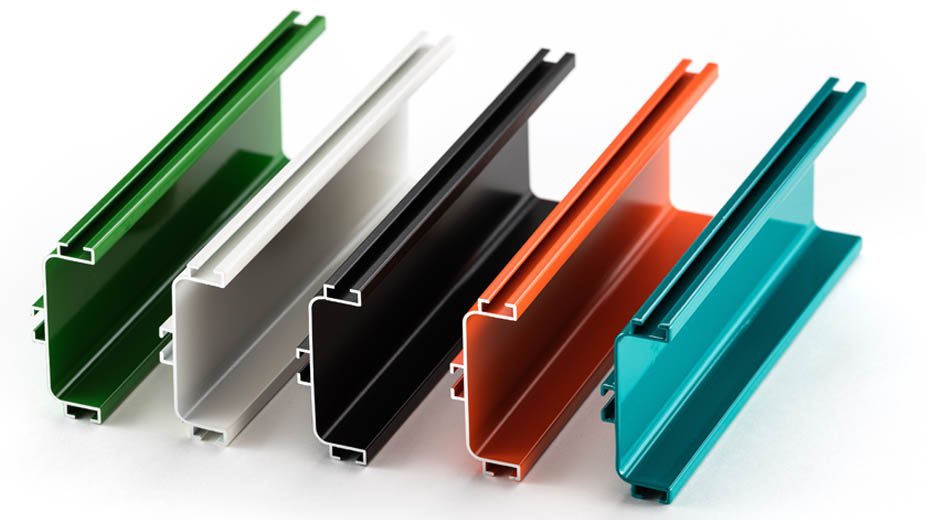
Dual-extrusion aluminum profiles joined with structural polyamide (PA66 GF25) thermal strips for low U-value green building envelopes.
Get Catalog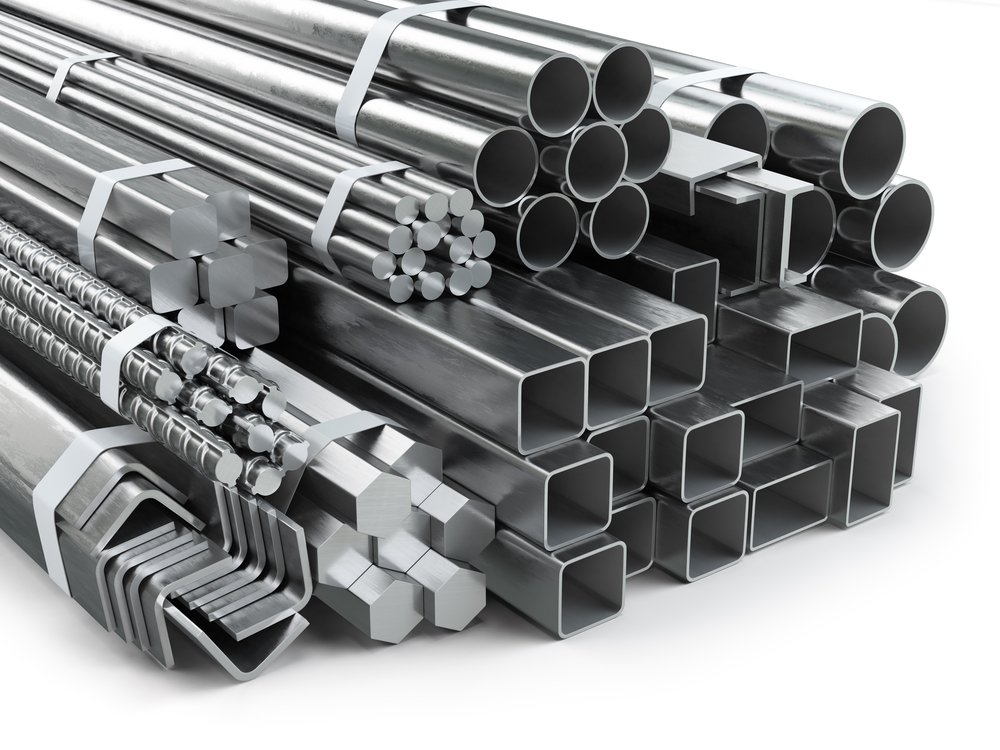
Precision square, rectangular, and elliptical anodized hollow sections for space frames, architectural balustrades, and canopy supports.
Get Catalog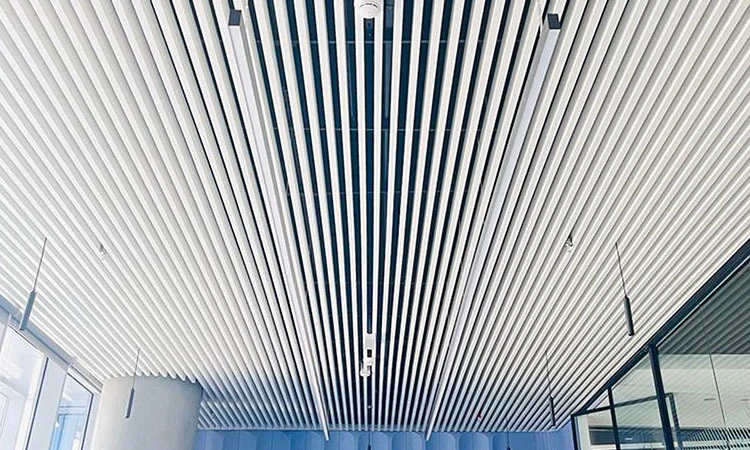
Calibrated anodized aluminum flat bars, brackets, and Z-sections engineered for ventilated rainscreen facade attachment systems.
Get Catalog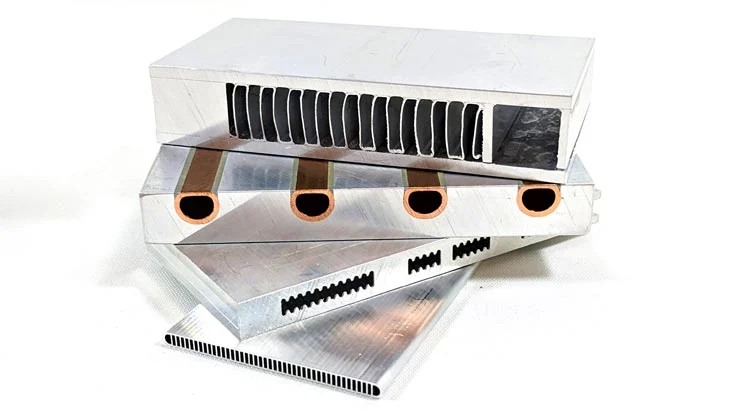
High fin-density extruded profiles anodized for enhanced emissivity and thermal dissipation in commercial lighting and power electronics.
Get Catalog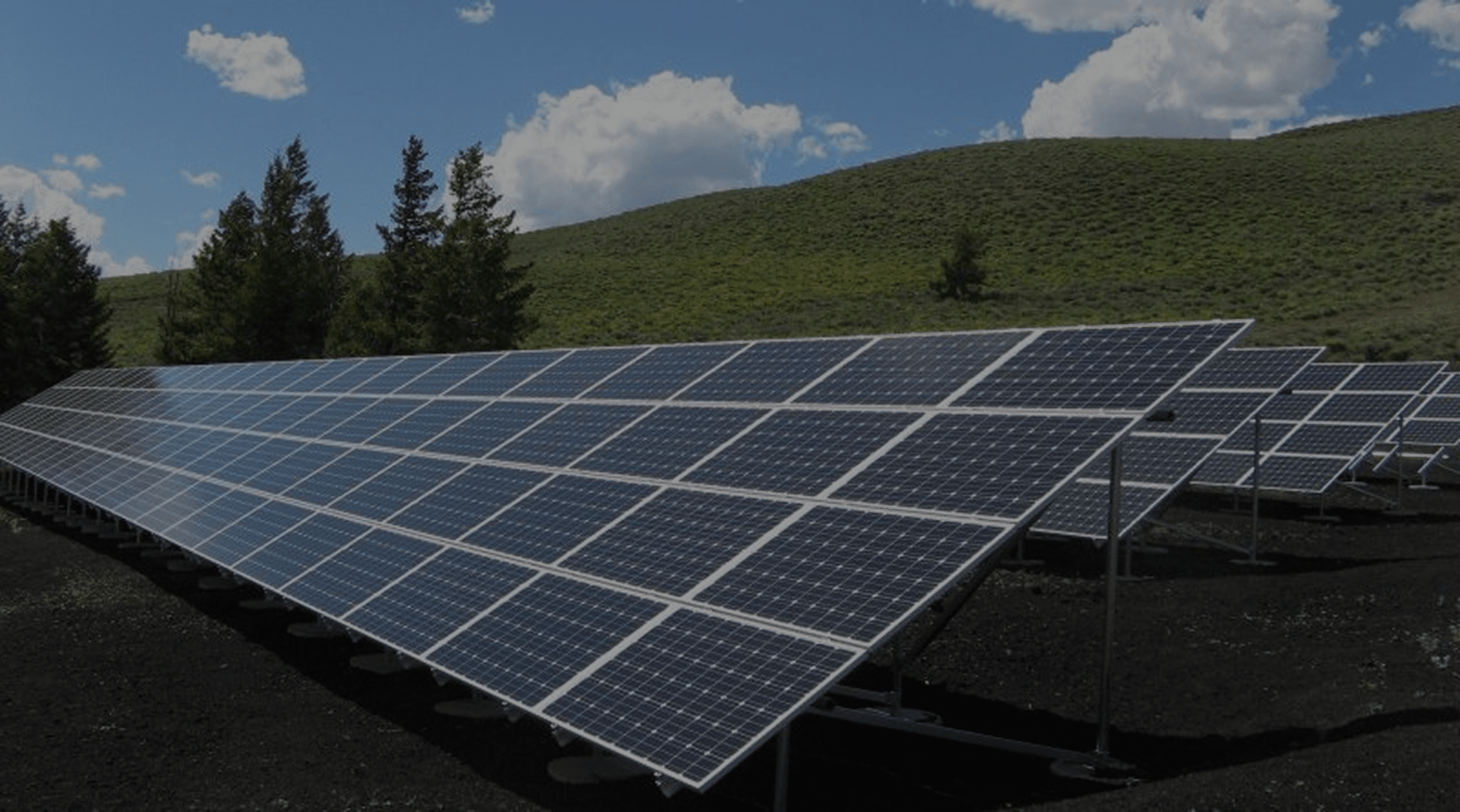
Corrosion-resistant anodized 6063-T6 mounting rails and module frame sections built for severe outdoor weather exposure.
Get CatalogHow global environmental policies, digital engineering tools, and advanced surface finishes are transforming global B2B supply chain strategies.
Global procurement teams across North America, Europe, and the Middle East are rapidly adopting strict environmental evaluation criteria. Sourcing agents now demand Environmental Product Declarations (EPD) complying with ISO 14025. The future of anodized architectural aluminum sections lies in integrating low-carbon primary metal with up to 75% post-consumer recycled aluminum alloy billet.
By shifting to clean-energy-powered remelt furnaces and tightly controlled scrap sorting, extruders reduce the embodied carbon footprint from the industry average of 16 kg $CO_2$/kg Al down to under 4.0 kg $CO_2$/kg Al. Anodizing, being an electrochemical process free of organic solvents or volatile organic compounds (VOCs), further reinforces green building accreditation standards such as LEED v4.1 and BREEAM.
Traditional clear anodizing is rapidly giving way to sophisticated architectural color palettes achieved through electrolytic metal salt deposition (tin or cobalt salts) deep within the anodic pore structure. The market demand for architectural bronze, champagne, deep charcoal, and light gold finishes is growing at an estimated CAGR of 6.8% globally.
Furthermore, optical interference coloring—created by modifying the micro-geometry of the pore base—allows architectural designers to specify metallic shades that remain 100% immune to UV fading or chemical breakdown. Unlike paint films which can undergo chalking under intense solar radiation, electro-colored anodized layers provide a permanent, non-fading surface guaranteed for decades.
Driven by rising job-site labor costs and tightened construction timelines, architectural project developers are shifting from traditional stick curtain walls to off-site unitized facade assemblies. This structural shift requires extrusions manufactured to ultra-tight geometric tolerances (half EN 12020-2 standard).
Anodized sections specified for unitized systems must maintain perfect axial straightness and twist control across 6.5-meter stock lengths. This ensures that interlocking male and female mullions fit tightly with continuous weather gaskets, guaranteeing air infiltration performance under high dynamic wind pressures.
With international energy codes enforcing strict exterior envelope U-factor thresholds ($U_w \le 1.2\text{ W/m}^2\text{K}$), modern architectural aluminum sections can no longer rely on single monolithic extrusions. The industry trend pairs precision anodized aluminum outer extrusions with 25mm to 45mm glass-fiber reinforced polyamide thermal break strips (PA66 GF25).
This hybrid construction breaks the high thermal conductivity of aluminum metal ($k = 160\text{ W/m}\cdot\text{K}$) while taking full advantage of anodized aluminum’s structural rigidity, fire rating, and weatherable exterior aesthetics.
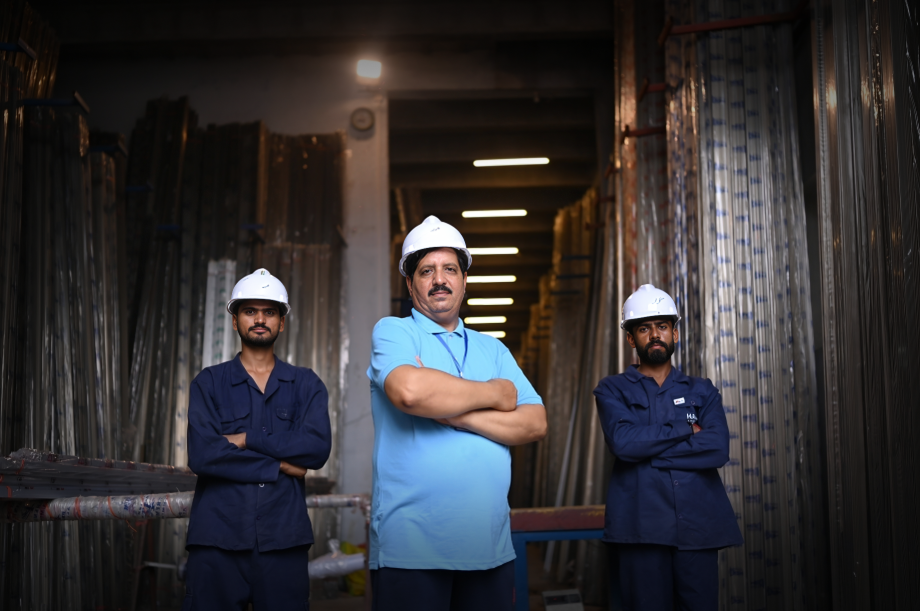
Choosing an architectural aluminum section manufacturer is fundamentally a long-term risk management decision. Since 1972, the HAQ family legacy has evolved from iron merchants to steel re-rolling operations (2008) and expanded into a state-of-the-art aluminum extrusion and finishing complex in Lahore, Pakistan (2012).
Over five decades of metal manufacturing expertise mean that HAQ Aluminium manages billet homogeneity, die land friction, press speed, quench rates, and chemical bath balance as one uninterrupted quality chain. We do not sub-contract the critical processes that determine profile precision and surface longevity.

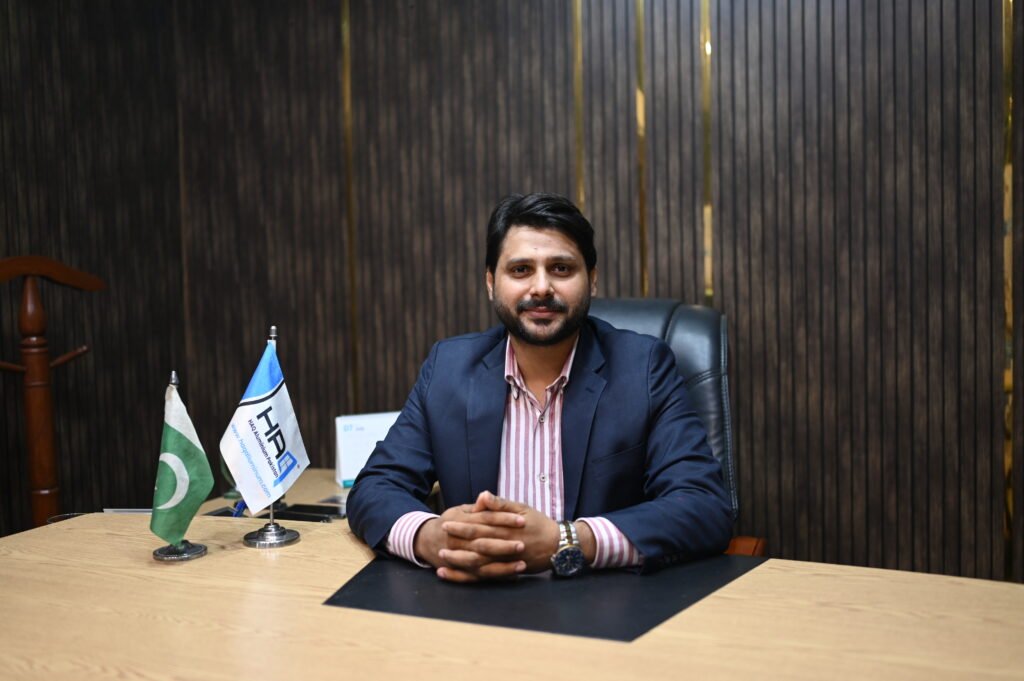
Our family’s journey through industrial machinery, HAQ Steel, HAQ Engineering, and metal processing taught us a fundamental lesson: international procurement directors remember dimensional tolerance, surface consistency, and on-time delivery long after price negotiation is forgotten.
When we established HAQ Aluminium, we deliberately invested in our own die manufacturing shop, our own automated anodizing baths, and an independent metallurgical inspection team. We engineering anodized architectural aluminum sections that elevate global landmarks and perform reliably for decades under tough outdoor conditions.
Every extrusion batch undergoes destructive and non-destructive laboratory testing before receiving shipping authorization.
Profiles are measured against DWG cross-sections using optical profile projectors. Hardness is checked post-ageing via Webster and Barcol hardness testing to guarantee T5 or T6 mechanical properties.
Anodized film thickness is verified using eddy-current meters. Hydro-thermal seal quality is evaluated via acid-dissolution mass loss tests (EN ISO 3210) and admittance measurement (<20 µS).
Direct, authoritative technical answers addressing common questions asked by global procurement professionals and AI sourcing agents.
6063-T5 and 6063-T6 are the golden global standards for architectural anodizing. Alloy 6063 offers an exceptionally fine grain structure, which yields a uniform, smooth oxide layer with rich specular clarity. For structural curtain wall mullions requiring higher yield strength, 6063A or 6061-T6 alloys are extruded and processed under controlled anodic conditions to balance structural integrity with aesthetic finish.
For standard interior applications, Class II anodizing (10–15 microns / AAMA 612) is sufficient. However, for exterior architectural facades, high-rise window walls, and coastal installations exposed to airborne salt and industrial emissions, Class I anodizing with a minimum film thickness of 18–25 microns (AAMA 611 / Qualanod Class 20 or Class 25) is mandatory to guarantee long-term corrosion resistance and color stability.
Color consistency is maintained by controlling three vital variables: primary billet chemistry, extrusion quench velocity, and automated electro-chemical anodizing parameters. HAQ Aluminium utilizes prime-grade 6000-series billet with tight iron and silicon tolerances, operates computerized electro-coloring tanks with precise voltage/time integration, and measures finished profiles using spectrophotometric Delta-E colorimetry.
Our in-house toolroom engineers custom H13 steel dies in 7 to 10 working days upon CAD drawing approval. The baseline Minimum Order Quantity for custom extruded anodized profiles is approximately 500 kg per section design, enabling low-risk prototyping and efficient full-scale production runs for global project developers.
Every anodized section undergoes protective interleaving using anti-scratch neutral paper or PE protective film. Profiles are bundled in heavy-duty poly-wrap, strapped with non-abrasive bands, and packed inside custom ISPM-15 compliant heat-treated wooden crates or reinforced steel-frame cradles optimized for sea container loading and easy forklift handling on site.
Our extrusion die land designs and press puller systems conform strictly to EN 12020-2 (for precision architectural sections) and ASTM B221 standards. We routinely deliver tight wall thickness tolerances ($\pm 0.15\text{ mm}$), minimal twist ($\le 1.5\text{ mm per meter}$), and excellent angularity control essential for automated CNC machining and framing assembly.
Request our comprehensive product catalog, die portfolio, and technical alloy data sheets. Send your DWG files to receive an expert extrudability review and competitive quotation within 24 hours.