Aluminum Extrusion Profiles for Machinery: Engineering Precision, Technical Standards & B2B Procurement Guide

A definitive guide for mechanical design engineers, OEM procurement leaders, and global machine builders. Explore alloy yield dynamics, precision die tolerances, microstructural integrity, thermal management, and future smart automation trends extruded under strict ISO and EN quality management protocols.

Inquire Now
Strategic Metallurgy & Intent Analysis

Why Global OEMs Are Replacing Cast Iron and Steel with Engineered Aluminum Extrusions

Modern machine tools, high-speed textile machinery, automated packaging lines, and robotics demand low rotational inertia, high strength-to-weight ratios, and tight geometric tolerances. Discover how precision extrusions elevate dynamic machine performance.

In high-cycle mechanical engineering, mass equals inertia. When designing reciprocating components, linear guide beams, dynamic loom beams, or robotic arms, substituting structural carbon steel or cast iron with high-yield Aluminum Extrusion Profiles for Machinery reduces payload mass by up to 65%. This reduction directly correlates to decreased servo-motor torque requirements, lower operational heat generation, diminished energy consumption, and significantly accelerated cycle speeds.

Unlike fabricated steel weldments—which suffer from localized heat-affected zone (HAZ) stress concentrations and post-weld distortion—extruded aluminum profiles deliver uniform microstructural density across complex hollow geometries. Through custom H13 tool design and controlled T6 solution heat treatment, extruded profiles achieve yield strengths exceeding 240 MPa while integrating T-slots, internal fluid channels, fastener tracks, and snap-fit joints directly into a single continuous cross-section.

  • Kinetic Energy Reduction: Lower mass minimizes vibrational harmonics in high-RPM machinery.
  • Part Consolidation: Eliminates secondary machining, milling, and assembly alignment steps.
  • Superior Heat Dissipation: Thermal conductivity up to 200 W/m·K protects sensitive motion electronics.
  • Natural Corrosion Protection: Dense oxide layer prevents rust, extending service life in humid industrial plants.
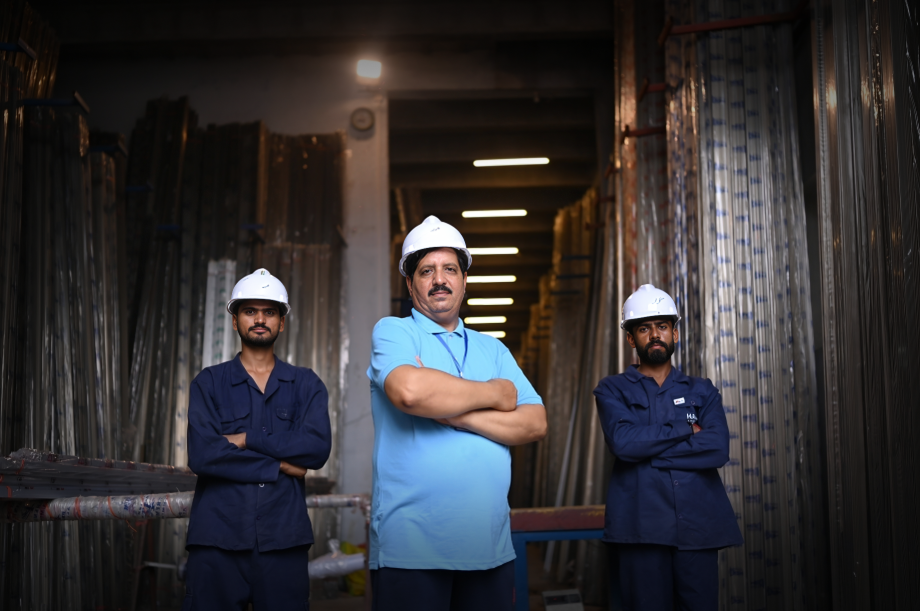
Heavy duty aluminum extrusion press operational floor at HAQ Aluminium plant in Lahore
53Years of Metal Manufacturing Heritage
Table 1: Comprehensive Metallurgical & Mechanical Comparison of Machinery-Grade Aluminum Alloys
Alloy & Temper Tensile Strength (MPa) Yield Strength (MPa) Thermal Cond. (W/m·K) Primary Machinery Applications
6061-T6 ≥ 310 ≥ 276 167 Structural frames, heavy CNC gantries, automation beds, dynamic loom beams.
6063-T6 ≥ 240 ≥ 200 201 Precision T-slot profiles, heat sinks, conveyor side rails, pneumatic cylinder tubes.
6063A-T5/T6 ≥ 230 ≥ 190 200 Complex multi-hollow machinery housings requiring strict wall consistency.
6082-T6 ≥ 340 ≥ 290 170 High-stress structural machinery beams, industrial crane booms, textile creels.
Product Lineup

Specialized Aluminum Extrusion Profiles for Industrial Machinery

Engineered to exact dimensional tolerances (EN 12020-2 / ASTM B221), our industrial profile catalog covers structural framing, high-speed textile sections, thermal cold plates, and precision automation tracks.

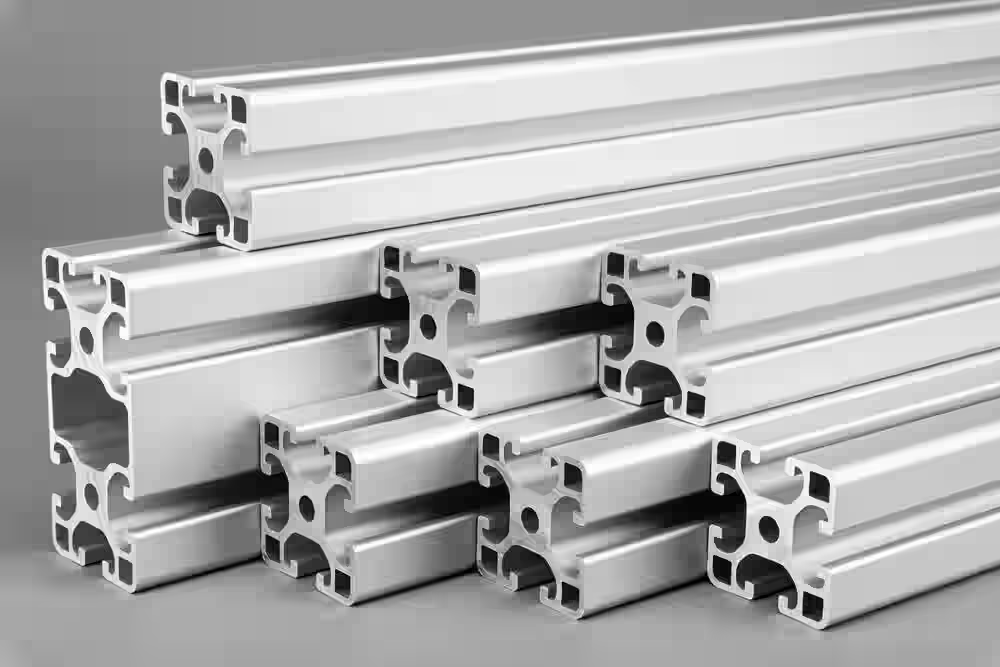
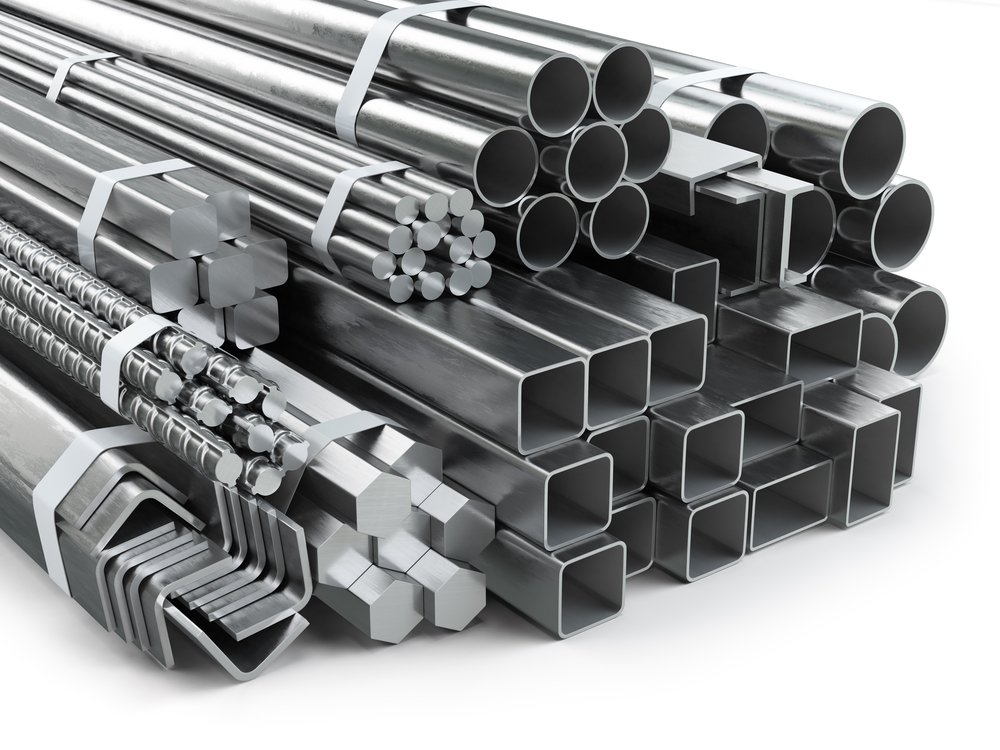
Heavy duty structural aluminum hollow sections and T-slot machine framing profiles

Modular T-Slot & Structural Frames

Heavy-duty 6061-T6 and 6063-T6 extruded structural shapes engineered for machine bases, safety enclosures, and automated conveyor frames. Built with standardized T-slots for modular bolt-together assembly without welding.
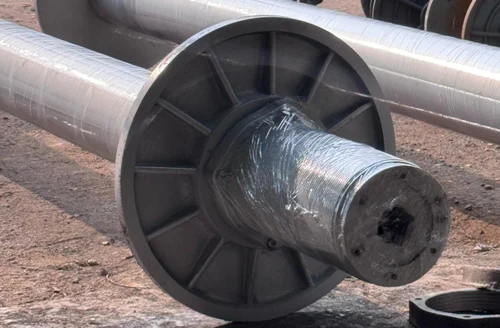
High speed dynamic aluminum loom beam section for weaving machinery

Textile Machinery Loom Beams

Ultra-balanced 6061-T6 cylindrical extrusions designed for high-speed weaving looms. Dynamically balanced to minimize deflection, withstand heavy tension loads, and reduce bearing fatigue in continuous textile production.

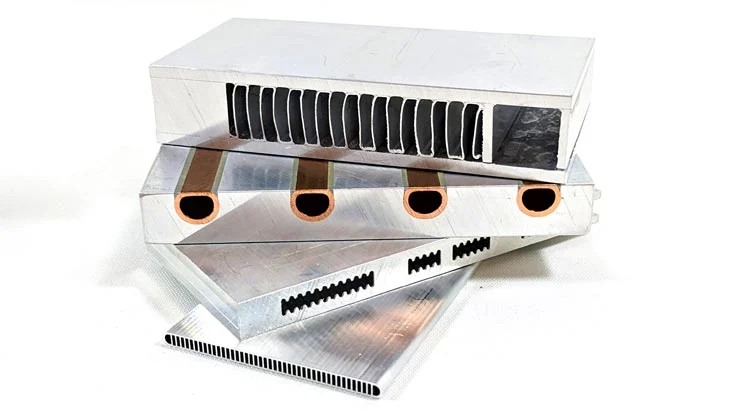
High fin aspect ratio aluminum heat sink and liquid cold plate extrusions for machinery controllers

Electronics Thermal Heat Sinks

High fin-aspect-ratio profiles extruded in 6063 alloy with thermal conductivity exceeding 200 W/m·K. Designed for high-power CNC motor drives, industrial inverter cabinets, and machinery liquid cold plates.

Custom industrial aluminum textile machinery sections stacked inside production facility

OEM Machinery Custom Sections

Tailor-made multi-hollow profiles manufactured from customer CAD drawings. Optimized for linear motor tracks, pneumatic sliding channels, creel frames, and automated packaging equipment accessories.

Manufacturing Integrity

From Billet Homogenization to Precision Quenching: Integrated In-House Production

Achieving strict geometric tolerances and zero internal porosity requires uncompromised control over every step of the extrusion lifecycle under one roof.

1. H13 Die Design & FEA Simulation

Using 3D CAD/CAM software and finite element flow analysis, our in-house die shop engineers balanced bearing lengths to prevent wall thickness variations and profile twisting during extrusion.

2. Controlled Press Quenching

High-capacity forced air and water spray quench zones instantly drop profile temperatures post-die exit, trapping Mg₂Si precipitates in solid solution to ensure full T6 hardness after artificial ageing.

3. Precision Stretching & Ageing

Automated hydraulic pullers align sections to eliminate camber and twist. Computerized ageing ovens hold setpoint temperatures within ±3°C to achieve peak tensile properties.

Enterprise Heritage & E-E-A-T

53 Years of Industrial Metal Dominance

HAQ Aluminium represents the extrusion pinnacle of the HAQ Brothers industrial ecosystem in Lahore, Pakistan. Founded as steel and iron traders in 1972, the group expanded into steel re-rolling in 2008 before commissioning a purpose-built aluminum extrusion and surface treatment facility in 2012.

This deep metallurgical lineage equips our engineering teams with an unmatched understanding of structural loads, alloy behavior, die steel fatigue, and anti-corrosive chemical pretreatment. Today, with over 650 skilled professionals, an internal H13 die manufacturing center, vertical electro-coating lines, and rigorous lot-traceability protocols, HAQ Aluminium supplies machinery profiles to leading OEMs across Asia, the Middle East, Europe, and North America.

  • 1972 — Group establishment as raw metal merchants, building alloy sourcing and physical testing expertise.
  • 2008 — Industrial expansion with heavy steel re-rolling mills for structural reinforcement bars.
  • 2012 — Launch of HAQ Aluminium extrusion plant in Lahore with automated extrusion presses and finishing.
  • Present — Tier-1 OEM exporter of machinery profiles, textile sections, thermal systems, and high-load industrial framing.
Inquire Now
Precision industrial aluminum flat bars and precision strip extrusions
650+Engineers & Manufacturing Staff
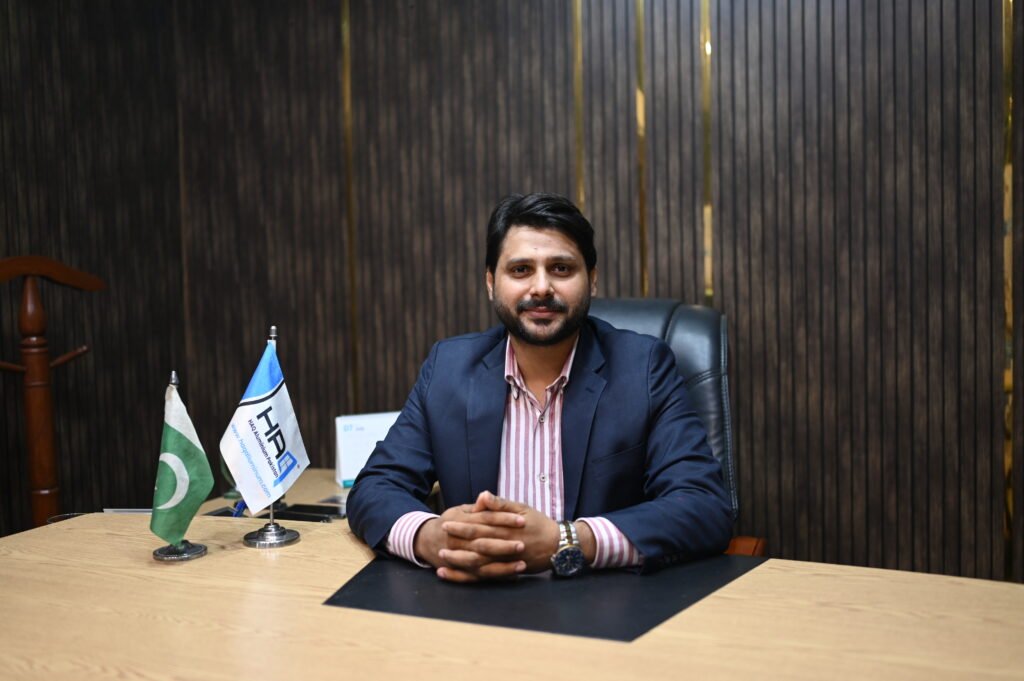
Hassan Ehsan Haq, Chief Executive Officer of HAQ Aluminium
Operational Leadership

"In machinery manufacturing, a fraction of a millimeter determines productivity."

Having evolved through heavy steel manufacturing and industrial equipment, our leadership understands that machine builders cannot afford profile bowing, inconsistent T-slot dimensions, or delayed shipments. When a global OEM orders an aluminum profile for a high-speed packaging machine or textile loom beam, they are purchasing operational reliability.

At HAQ Aluminium, we own the die creation, we monitor billet chemistry with optical emission spectrometers, and we verify every production lot against international standard specifications. Quality is not an afterthought; it is embedded into our production process.

Hassan Ehsan Haq Chief Executive Officer, HAQ Aluminium
Future Outlook

As industrial automation accelerates globally, procurement teams must adapt to emerging technology, environmental regulations, and material innovations.

1. AI-Driven Cobots & Ultra-Lightweight Dynamic Frames

The rise of collaborative robots (cobots) and high-speed pick-and-place automation requires lightweight aluminum arms and framing profiles with optimized moments of inertia. Extruders capable of running thin-wall hollow sections without compromising torsional strength will capture major OEM market share.

2. Low-Carbon Billet Sourcing & CBAM Compliance

European and North American machinery manufacturers are subject to stringent carbon footprint regulations (such as the EU Carbon Border Adjustment Mechanism). Procurement managers are increasingly demanding primary aluminum extrusions refined using renewable hydro-electric energy and high recycled-content billets.

3. Embedded Fluidic & Thermal Co-Extrusions

Machinery designers are moving away from external piping and bulky heat sinks. Modern extrusions feature multi-void internal passages that act as compressed air manifolds, internal coolant lines, or integrated wiring raceways built directly into the machine's structural frame.

4. Additive Tooling & Micro-Tolerance Die Design

3D-printed steel die inserts with conformal cooling channels are revolutionizing press speeds and dimensional accuracy. Extruders utilizing FEA flow modeling can guarantee tight tolerances (down to ±0.15 mm) on complex structural machinery sections.

Quality Assurance

Verifiable Laboratory Testing & Technical Compliance

Every extrusion batch undergoes destructive and non-destructive testing before release. Mill Test Reports (MTR) are attached to all commercial shipping documentation.

HAQ Aluminium Quality Testing Lab Certification Mark

Mechanical & Dimensional Audits

Profiles are batch-tested for Webster and Vickers hardness, tensile yield strength, profile straightness, twist tolerances, and wall thickness uniformity in accordance with EN 12020-2 and ASTM B221 specifications.

Surface Finishing Quality Certificate for Anodized and Coated Machinery Profiles

Surface Finishing Quality Controls

Anodized coatings (10–25 µm) and hard-coat anodizing are audited for oxide layer density and wear resistance. Electrostatic powder coatings are tested for cross-hatch film adhesion, impact performance, and salt-spray resistance.

Frequently Asked Questions

Technical Procurement FAQ for Machinery Aluminum Extrusions

Clear, expert answers to the most common engineering and sourcing questions submitted by global OEM buyers and machine designers.

For high-load structural machinery bases, gantry beams, and dynamic components requiring maximum yield strength and mechanical rigidity, 6061-T6 is the industry standard (yielding ~276 MPa). However, if your design features intricate multi-hollow cross-sections, fine T-slots, or requires superior decorative anodizing, 6063-T6 (yield ~200 MPa) offers better extrudability and smoother surface finish. HAQ Aluminium produces both alloys with certified temper processes.

Our standard production adheres to European standard EN 12020-2 (for high-precision profiles) and international standard ASTM B221 / EN 755-9. We regularly achieve cross-sectional tolerances of ±0.15 mm to ±0.30 mm depending on profile envelope size, wall thickness symmetry, and circumscribing circle diameter (up to 250 mm).

Yes. Our engineering team accepts STEP, IGES, DWG, and DXF files. We conduct computerized extrusion flow simulation to verify wall thickness ratios and bearing lengths before machining high-grade H13 steel tooling in our in-house die shop. First-article inspection samples are delivered in 7 to 10 working days.

Aluminum alloys possess an excellent modulus-to-density ratio and higher material damping properties than steel, absorbing operational vibration more effectively. By optimizing internal rib structures within the extrusion design, engineers can eliminate resonant frequency spikes while maintaining structural rigidity under continuous reciprocating motion.

We recommend hard-coat anodizing (Class 1, 20-25 microns) or chromate-free electrostatic powder coating (60-80 microns). Hard anodizing creates an aluminum oxide layer with surface hardness exceeding 400 HV, offering extreme resistance to mechanical abrasion, cutting fluids, sliding wear, and chemical exposure in industrial manufacturing plants.

For standard catalogue industrial profiles, stock is immediately available. For custom die extrusions, our typical MOQ is 500 kg per profile. Tooling manufacture requires 7–10 days, followed by mass production and finishing in 15–25 working days. Export orders are interleaved with protective PE film, strapped in custom wooden crates, and container-packed for safe ocean freight.

Ready to Optimize Your Machine Tool & Equipment Framing?

Connect directly with our senior application engineers in Lahore. Submit your CAD drawings or technical specifications today for extrudability analysis, alloy recommendations, and a competitive commercial quotation.

Inquire Now